
Blood Moon Alert: Total Lunar Eclipse Visible Across North America March 3
A rare total lunar eclipse will create a dramatic blood moon visible across North America, Australia, New Zealand, and eastern Asia in the early hours of March 3. Here's exactly where and when to catch this spectacular celestial show.
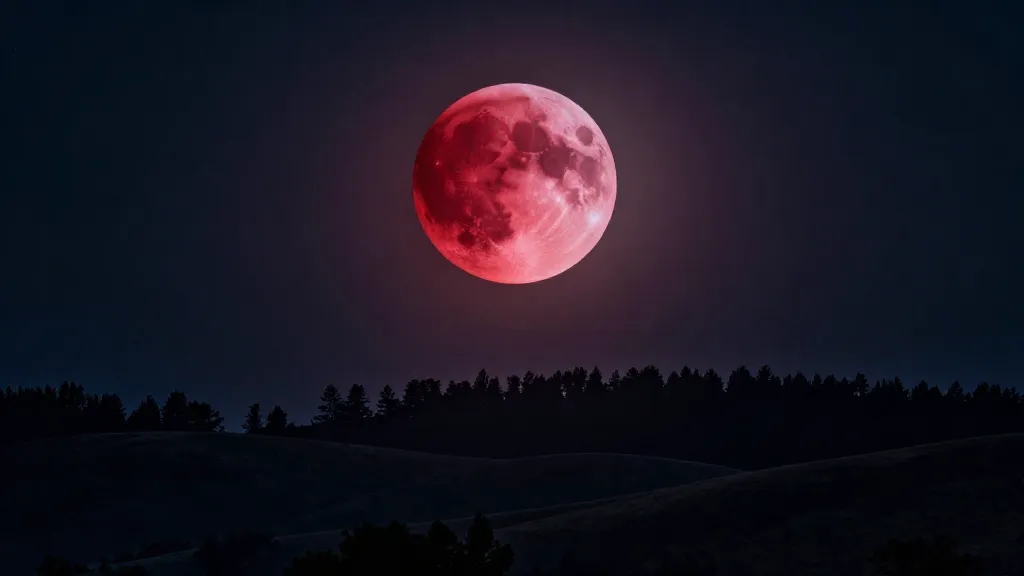
Get ready to witness one of nature’s most breathtaking spectacles. In just hours, millions of people across North America will have front-row seats to a total lunar eclipse that will transform our familiar moon into a haunting, crimson orb. This rare celestial event promises to be visible across vast regions, making it one of the most accessible astronomical shows of the year.
What Makes This Eclipse Special
Total lunar eclipses don’t happen every day—or even every year. When Earth positions itself perfectly between the sun and moon, our planet’s shadow engulfs the lunar surface, creating the dramatic “blood moon” effect that has captivated humanity for millennia. The reddish hue occurs as Earth’s atmosphere filters sunlight, allowing only the longer red wavelengths to reach the moon’s surface.
This particular eclipse stands out for its exceptional visibility across multiple continents, giving stargazers from North America to eastern Asia the chance to witness this cosmic alignment.
Prime Viewing Locations
The eclipse will be visible across an impressive swath of the globe, with some regions getting better views than others. Reports indicate that North America will enjoy excellent visibility throughout the event, making this a must-see opportunity for anyone living across the United States, Canada, and Mexico.
Best Viewing Regions
Beyond North America, observers in Australia, New Zealand, and eastern Asia will also be treated to this celestial display. The widespread visibility means that millions of people can step outside and witness this natural phenomenon without any special equipment or travel requirements.
Timing Your Eclipse Experience
The eclipse unfolds in the early hours of March 3, though exact timing varies by location. Observers should prepare for an early morning or late-night viewing session, depending on their time zone.
What to Watch For
- Penumbral phase begins: The moon starts entering Earth’s outer shadow
- Partial eclipse starts: Earth’s shadow begins covering the moon’s surface
- Totality begins: The moon turns deep red or orange
- Maximum eclipse: Peak of the blood moon effect
- Totality ends: The moon begins emerging from Earth’s shadow
Getting the Best View
Unlike solar eclipses, lunar eclipses are completely safe to view with the naked eye. No special filters or protective equipment are needed—just find a spot with a clear view of the western sky and let your eyes adjust to the darkness.
The moon will appear largest and most dramatic during totality, when Earth’s shadow completely covers the lunar surface. This is when the characteristic blood-red color becomes most pronounced, creating photo opportunities that will flood social media feeds worldwide.
Why This Matters
Total lunar eclipses offer more than just spectacular views—they connect us to the cosmic mechanics that govern our solar system. These events have inspired countless generations of astronomers and continue to spark curiosity about our place in the universe.
For many viewers, this eclipse represents a rare chance to witness a celestial event that our ancestors observed with wonder and sometimes fear. Today, we understand the science behind the spectacle, but the sense of awe remains unchanged.
Don’t miss this opportunity to be part of a shared global experience. Set your alarm, grab a warm beverage, and prepare to witness one of the sky’s most magnificent displays. The next total lunar eclipse visible from North America won’t occur for several years, making March 3 a date worth marking on your calendar.