
China Becomes First Country to Ban Tesla's Hidden Door Handles Over Safety Fears
China has officially outlawed flush door handles popularized by Tesla, making it the first country to ban the sleek design over emergency access and safety concerns.
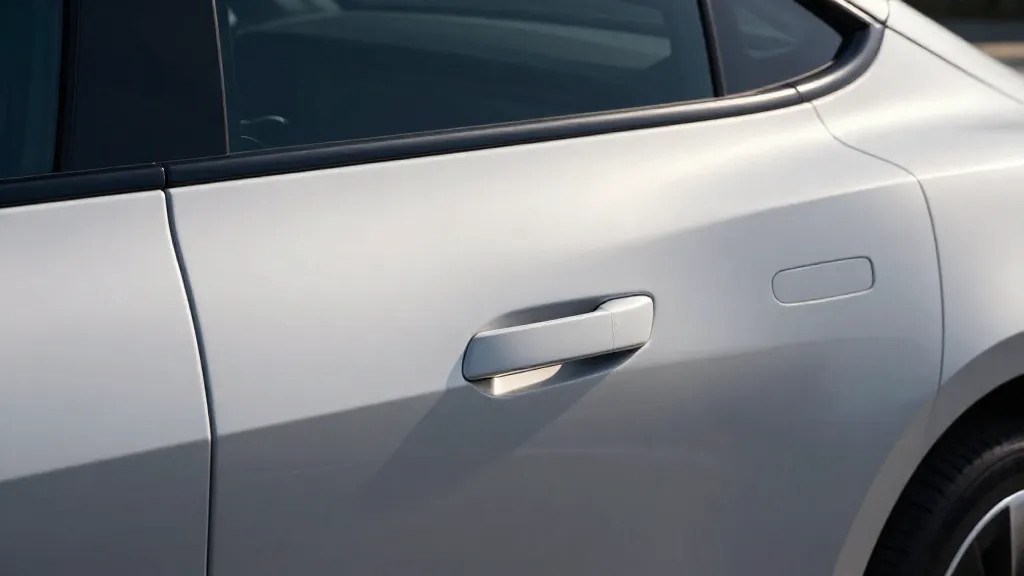
China has just made automotive history by becoming the first country to officially ban hidden door handles, the sleek design feature that Tesla helped popularize across the electric vehicle industry. The move signals a growing tension between cutting-edge car aesthetics and fundamental safety requirements.
The regulatory decision specifically targets flush door handles that sit nearly invisible within a vehicle’s body panels, requiring drivers and passengers to press, pull, or activate them electronically before they extend outward. While these designs create the clean, futuristic look that many modern EVs are known for, Chinese safety regulators have drawn a firm line over emergency access concerns.
The Safety Concerns Behind the Ban
Reports suggest that regulators focused primarily on emergency situations where traditional door handles could mean the difference between life and death. Hidden door handles often require specific knowledge to operate—something that could prove catastrophic when seconds count.
Emergency responders have reportedly raised concerns about accessing vehicles quickly during accidents, particularly when electronic systems fail or when unfamiliar passengers need to exit rapidly. The sleek design that looks impressive in showrooms becomes a potential hazard when panic sets in or when people unfamiliar with the vehicle need immediate access.
Tesla’s Design Influence Under Scrutiny
Tesla pioneered the widespread adoption of flush door handles in the automotive industry, making them a signature element across multiple models. The design philosophy prioritizes aerodynamics and visual appeal, contributing to both the vehicles’ distinctive appearance and their efficiency ratings.
However, observers note that what began as a Tesla innovation quickly spread throughout the EV industry, with numerous manufacturers adopting similar hidden handle designs to achieve that modern, minimalist aesthetic that consumers associate with electric vehicles.
What This Means for Automakers
The Chinese ban creates immediate challenges for vehicle manufacturers operating in one of the world’s largest automotive markets. Companies now face a choice between redesigning their door handle systems specifically for China or potentially losing access to millions of potential customers.
Key implications include:
• Manufacturers may need to develop China-specific versions of their vehicles
• Design teams must balance global aesthetic consistency with regional safety requirements
• The ban could influence safety discussions in other major automotive markets
• Traditional door handle designs may see renewed focus and innovation
A Broader Safety Conversation
This regulatory action reflects a growing scrutiny of automotive design choices that prioritize form over function. While hidden door handles represent just one design element, the ban highlights how safety regulators worldwide are taking a closer look at features that may compromise emergency access or user intuition.
The decision also raises questions about whether other countries might follow China’s lead, potentially creating a patchwork of regional regulations that could significantly impact global automotive design strategies.
Looking Ahead
As the automotive industry continues its rapid evolution toward electrification and advanced design, China’s ban serves as a reminder that innovation must still answer to fundamental safety principles. The move could spark broader conversations about which design elements truly serve drivers and passengers versus those that simply serve marketing and aesthetic goals.
For now, China stands alone in this regulatory stance, but the automotive world will be watching closely to see whether other markets begin questioning the safety implications of prioritizing sleek design over straightforward functionality.