
Holiday Shopping Reality Check: Retailers Post 'Meh' Results Despite High Expectations
Major retailers are reporting surprisingly modest holiday sales growth for 2025, falling short of industry expectations during the most critical shopping season. The lukewarm results signal potential shifts in consumer spending patterns.
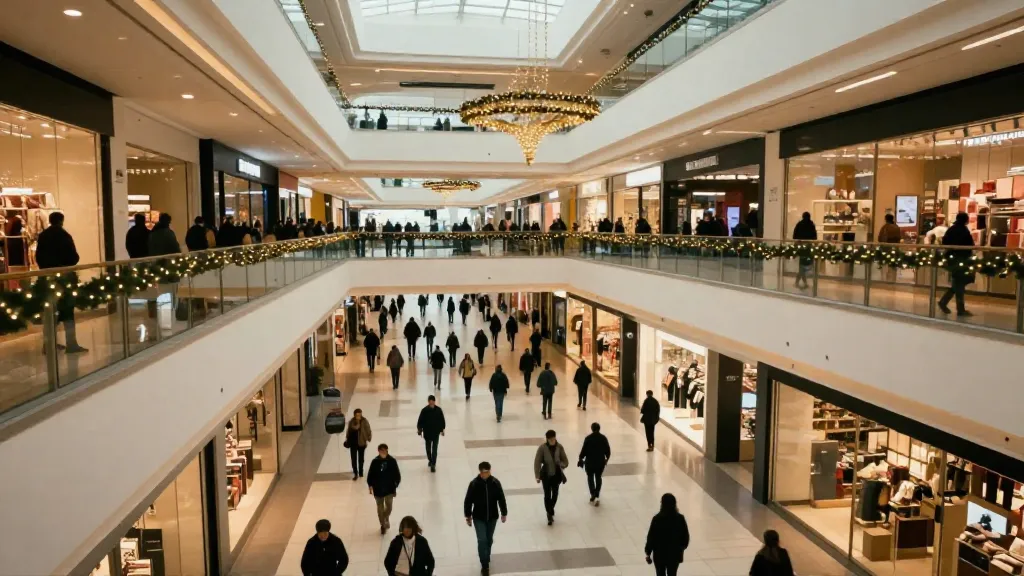
The 2025 holiday shopping season has delivered a collective shrug from retailers across the nation. While cash registers kept ringing and shoppers kept buying, the results coming in tell a story of steady but unremarkable growth that has left industry analysts scratching their heads and investors wondering what happened to the holiday magic.
After months of optimistic forecasts and aggressive marketing campaigns, major retailers are now facing the reality that their most important selling season of the year was, well, just okay. The modest growth figures emerging from early reports suggest that consumers approached their holiday spending with more caution than enthusiasm, creating a disconnect between what retailers hoped for and what actually materialized.
The Numbers Don’t Lie: Solid But Not Spectacular
Reports indicate that while retailers did see growth during the critical holiday period, the increases fell short of the robust expansion many had anticipated. The word “modest” appears repeatedly in early assessments, a diplomatic way of describing performance that was neither disappointing nor impressive.
This lukewarm performance is particularly striking given the buildup to the season. Retailers had invested heavily in inventory, marketing campaigns, and promotional strategies designed to capture consumer dollars during the make-or-break shopping period that can determine annual profitability.
What Retailers Were Expecting vs. Reality
The gap between expectations and results reveals several important trends about modern consumer behavior:
Pre-Season Optimism Met Reality
Industry forecasts had painted a picture of strong holiday spending, driven by factors that seemed promising on paper. However, the translation from economic indicators to actual shopping behavior proved more complex than anticipated.
Consumer Spending Patterns Shifted
Observers note that shoppers may be approaching purchases differently than in previous years, potentially spreading their spending more evenly throughout the year rather than concentrating it during traditional peak periods.
Key Warning Signs Retailers Should Watch
Several factors may have contributed to the modest performance:
- Economic uncertainty affecting consumer confidence
- Changed shopping habits post-pandemic
- Inflation concerns influencing spending decisions
- Earlier deal-hunting spreading purchases across longer timeframes
- Increased selectivity in purchase decisions
What This Means for the Broader Economy
The holiday shopping season serves as a crucial barometer for economic health, making these modest results particularly significant for economists and policymakers. When the period that typically drives retail success delivers only steady growth, it raises questions about underlying consumer sentiment and spending power.
The implications extend beyond individual retailers to encompass broader economic indicators. Holiday shopping performance often predicts consumer behavior patterns for the following year, making these results an important data point for 2026 economic forecasting.
Looking Ahead: Lessons for 2026
The “ho hum” holiday results offer valuable insights for retailers planning their strategies moving forward. The disconnect between expectations and reality suggests that understanding modern consumer behavior requires more nuanced approaches than traditional seasonal forecasting models.
Retailers may need to recalibrate their expectations and adapt their strategies to accommodate changing consumer preferences and spending patterns. The days of assuming automatic holiday spending surges may be behind us, replaced by a more complex landscape requiring sophisticated understanding of evolving shopper behavior.
As the retail industry digests these modest results, the focus will likely shift to understanding what drove the conservative consumer approach and how to better align future expectations with market realities. The 2025 holiday season may go down as a turning point that forced retailers to rethink their assumptions about seasonal shopping patterns.