
McDonald's Faces Class Action Lawsuit Over McRib 'Misleading' Name and Ingredients
A federal lawsuit claims McDonald's deceived millions by marketing the McRib as containing real rib meat when it's actually made from restructured pork cuts. The case seeks damages for purchases over the past four years.
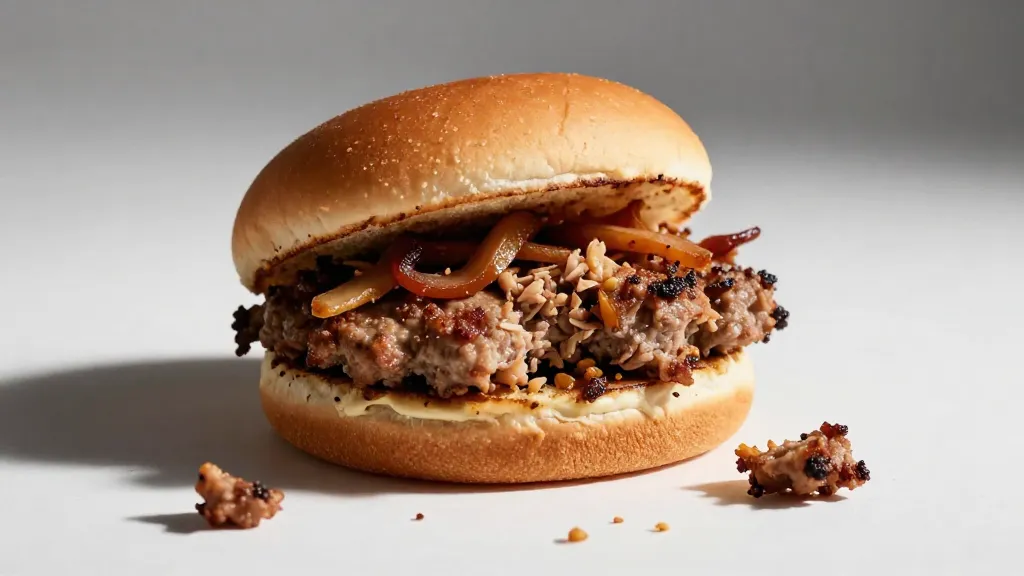
McDonald’s is facing a legal battle that strikes at the heart of one of America’s most beloved fast-food mysteries: what exactly is inside the McRib? A federal class-action lawsuit filed in December 2025 claims the fast-food giant deliberately misled millions of consumers by marketing the sandwich as containing real rib meat when it’s actually made from restructured pork cuts—a revelation that has reignited debate about food transparency and corporate accountability.
The Lawsuit’s Core Argument
The complaint, filed by plaintiffs Peter Le, Charles Lynch, Dorien Baker, and Derrick Wilson in the U.S. District Court for the Northern District of Illinois, takes direct aim at the product’s name and iconic rib-shaped patty. According to the suit, these marketing elements mislead reasonable consumers into believing they’re purchasing an actual pork rib sandwich when, in fact, the patty is made from restructured pork combining cuts such as shoulder, heart, tripe, and scalded stomach—none of which qualify as rib meat.
The lawsuit cites 16 legal claims, including fraud, breach of warranty, contract violations, and violations of state consumer protection laws. Plaintiffs are seeking class certification for all consumers who purchased a McRib within the past four years, with additional state-specific subclasses in California, New York, Illinois, and Washington, D.C.
The Price Premium Question
One particularly compelling aspect of the case centers on pricing. According to McRib Locator data cited in the lawsuit, the sandwich commands premium pricing that exceeds many of McDonald’s core menu items. In December 2024, the McRib averaged $5.63 nationwide, with some locations charging as much as $7.89—higher than the average Big Mac price during the same period.
Plaintiffs argue that this premium pricing is only possible because customers believe they’re purchasing a higher-quality product made with actual rib meat. The limited-time nature of the McRib’s availability, they claim, makes consumers less inclined to scrutinize ingredient details during brief promotional windows.
McDonald’s Response
McDonald’s has pushed back forcefully against the allegations. A company spokesperson told The Independent that the McRib uses 100 percent boneless pork with BBQ sauce, onions, and pickles, and specifically denied that hearts, tripe, or scalded stomach are included in the product.
“This lawsuit distorts the facts and many of the claims are inaccurate,” the company stated. “Food quality and safety are at the heart of everything we do – that’s why we’re committed to using real, quality ingredients across our entire menu.”
The company also pointed to its 2014 transparency effort, when McDonald’s hired former “MythBusters” host Grant Imahara to tour a processing facility and debunk rumors about the McRib’s composition, demonstrating that the patty is made from ground pork, water, salt, dextrose, and preservatives.
What to Watch For
- Whether the court certifies the class action, allowing consumers nationwide to join the lawsuit
- McDonald’s defense strategy and whether they can prove adequate ingredient disclosure
- How the case defines “misleading” branding versus standard fast-food marketing practices
- Potential settlement negotiations and what compensation eligible consumers might receive
- The broader implications for fast-food transparency and limited-time menu item marketing
The McRib’s Legendary Status
Since its introduction nationwide in 1982, the McRib has evolved into one of McDonald’s most iconic limited-time offerings. Its on-again, off-again availability has cultivated a devoted fanbase that closely tracks menu rotations and celebrates its periodic returns. This cult-like following is precisely what makes the lawsuit’s claims about deceptive marketing particularly resonant—the sandwich’s mystique and scarcity may have overshadowed ingredient scrutiny.
Broader Questions About Food Marketing
The case raises uncomfortable questions about how much consumers actually know about their favorite fast-food items. While McDonald’s argues it has been transparent about the McRib’s ingredients, the lawsuit suggests that marketing materials and menu presentations don’t adequately convey that the product contains no actual rib meat. The distinction between what a company discloses and what consumers reasonably understand from branding and naming remains a contentious legal territory.
If the court certifies the class, consumers who purchased the McRib over the past four years may become eligible to join the lawsuit and potentially recover damages. For now, the case stands as a reminder that even iconic menu items aren’t immune to scrutiny—and that the gap between perception and reality can sometimes be worth fighting over.