
Inside the Élysée Palace Heist: How a Presidential Steward Stole Thousands in Priceless Silverware
A silver steward at France's presidential palace orchestrated a sophisticated theft of luxury tableware worth up to €40,000, selling stolen Sèvres porcelain and Baccarat crystal online. Three men now face trial for looting national heritage artifacts from one of Europe's most secure residences.
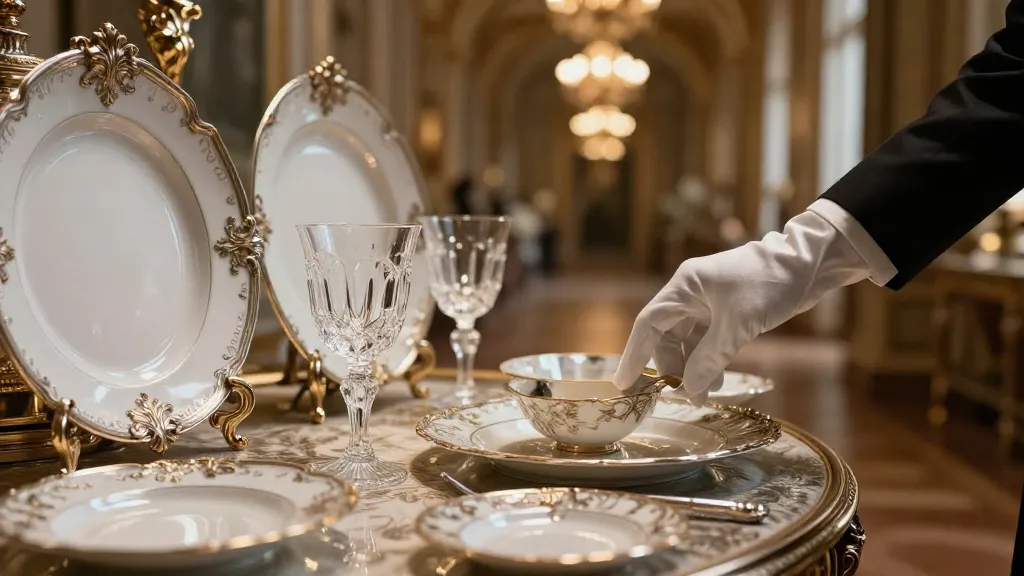
It sounds like something straight out of a heist movie: a trusted employee at one of Europe’s most prestigious palaces systematically stealing priceless artifacts and selling them online to unsuspecting buyers. But this isn’t fiction—it’s a real crime that has exposed surprising vulnerabilities in France’s most heavily guarded residence.
The Perfect Inside Job
The Élysée Palace, the official residence of the French president, is supposed to be one of the most secure buildings in the world. Yet somehow, a silver steward employed there managed to orchestrate a sophisticated theft operation right under the noses of palace security and management.
The heist came to light when the palace’s head steward reported items of silverware and table service missing. The estimated loss? Between €15,000 and €40,000—a staggering amount for what should have been protected national heritage artifacts.
How the Theft Unraveled
What makes this case particularly fascinating is how investigators pieced together the crime. The Sèvres Manufactory, which supplies most of the palace’s furnishings, played a crucial role in the investigation. When they spotted several missing items listed on online auction websites, alarm bells started ringing.
The breakthrough came through digital detective work. Investigators discovered that the suspected silver steward had a relationship with the manager of a company specializing in online sales of tableware. When they checked his Vinted account—a popular secondhand marketplace—they found items stamped with “French Air Force” and “Sèvres Manufactory” markings that aren’t available to the general public.
What to watch for:
- Inventory records suggesting the steward was planning future thefts
- Approximately 100 stolen objects recovered from his locker, vehicle, and home
- Precious items including Sèvres porcelain, Baccarat champagne coupes, and René Lalique statuettes
- Evidence of a coordinated operation involving multiple parties
The Scope of the Heist
When authorities executed their search, they recovered a stunning array of stolen goods. Copper saucepans, fine china, crystal coupes, and rare sculptures—all part of the palace’s carefully curated collection of national treasures. These weren’t random items; they were carefully selected pieces of significant cultural and monetary value.
The recovery of around 100 objects suggests this wasn’t a spontaneous act of theft but rather a calculated, ongoing operation. The steward’s inventory records even hinted at future planned thefts, indicating he may have been scouting additional targets within the palace.
Three Men Facing Justice
The investigation didn’t stop with the steward’s arrest. Authorities identified additional suspects: the manager of the online sales company and a third individual who served as a receiver of stolen goods. All three men appeared in court Thursday, facing serious charges.
The offense carries maximum penalties of up to 10 years in prison and a €150,000 fine. They’ve also been charged with aggravated handling of stolen goods—a separate but equally serious crime in French law.
What’s Next
The three suspects have been placed under strict judicial supervision while awaiting trial on February 26. The court imposed significant restrictions: they’re banned from contacting one another, prohibited from attending auction venues, and barred from their professional activities. These conditions aim to prevent any further criminal activity or tampering with evidence.
Fortunately, the recovered items have been returned to the Élysée Palace, restoring at least part of France’s national heritage collection.
A Wake-Up Call for Security
This case serves as a sobering reminder that even the most secure institutions are vulnerable to insider threats. The palace employed this man, trusted him with access to invaluable artifacts, and he exploited that trust systematically. While the investigation was ultimately successful, it raises uncomfortable questions about vetting procedures, inventory controls, and how even state institutions can be susceptible to sophisticated theft operations orchestrated from within.
The trial in February will likely reveal more details about how this operation functioned and whether additional thefts occurred that authorities haven’t yet discovered. For now, the Élysée Palace is presumably reviewing its security protocols and employee oversight procedures—a lesson learned the hard way.