
Trump Administration Pauses Major Offshore Wind Projects, Citing National Security Fears
The US Department of Interior has halted five large-scale Atlantic offshore wind farms, claiming radar interference poses security risks—a move that has sent renewable energy stocks tumbling and sparked fierce pushback from state leaders.
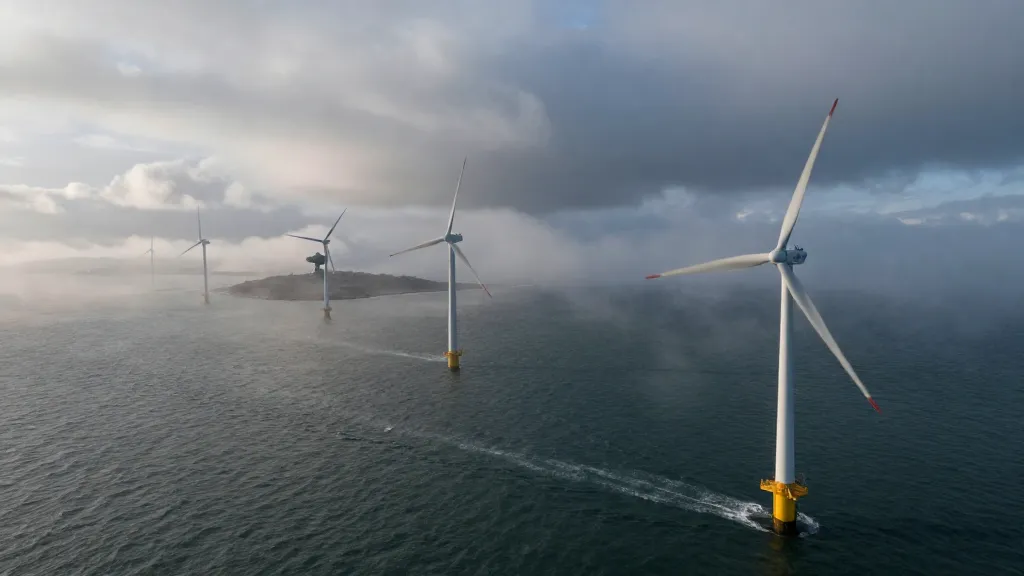
In a sweeping move that has rattled Wall Street and infuriated state leaders, the Trump administration has hit pause on five major offshore wind projects along the Atlantic coast, claiming they pose national security risks. The Department of Interior’s announcement, citing concerns about radar interference, has sent renewable energy stocks into freefall and reignited the battle over America’s energy future—pitting security anxieties against climate commitments and clean energy jobs.
The Security Argument: Radar Clutter and Defense Concerns
The Department of Interior’s justification centers on a technical concern: how offshore windmills could interfere with radar systems protecting the East Coast. According to the administration, wind turbines can create radar “clutter”—interference that obscures real moving targets or, conversely, generates false ones. This becomes particularly problematic when military and civilian authorities need to distinguish between friend and foe in U.S. airspace.
Interior Secretary Doug Burgum amplified the concern in recent media appearances, pointing to international conflicts as cautionary tales. He cited drone strikes between Russia and Ukraine, as well as exchanges between Iran and Israel, as evidence that adversary technologies are evolving rapidly—and that offshore wind farms could create dangerous vulnerabilities near major population centers.
The five projects now frozen are being constructed off the coasts of:
- New York
- Virginia
- Massachusetts
- Rhode Island
- Connecticut
The Economic Fallout: Stocks Tumble, Jobs Hang in the Balance
The market reacted swiftly. Renewable energy stocks took a beating: Orsted, the Danish wind energy company spearheading much of the Atlantic development, saw its share price plummet by 12%. Vestas, a major turbine manufacturer, dropped 2.6%, while Dominion Energy—behind the Virginia project—fell more than 3%.
For workers and communities, the pause threatens immediate disruption. Connecticut Governor Ned Lamont, a Democrat, called the move “erratic” and warned it would “drive up the price of electricity in Connecticut and throughout the region.” He emphasized that these projects were nearing completion and generating well-paying clean energy jobs—now left in limbo.
The Pushback: State Leaders and Industry Sound the Alarm
The announcement has unified an unlikely coalition against the administration. Renewable energy companies and state leaders across the political spectrum have expressed alarm, arguing that the pause undermines economic predictability and America’s competitive position in clean energy.
Dominion Energy pushed back directly on the security claims, noting that its Virginia offshore project is far from shore and “does not raise visual impact concerns.” More pointedly, the company emphasized that its two pilot turbines have been operating for five years without incident—suggesting that the security threat may be overstated.
A Broader Pattern: Trump’s Long-Standing Opposition to Wind
This pause is not an isolated action. President Trump has long opposed wind energy, characterizing it as unreliable and costly. When he returned to office in January, he immediately halted permits and new leases pending a federal review. By May, 17 states led by New York sued the administration, calling the wind energy ban an “existential” threat to the industry.
Earlier in December, a federal judge had struck down Trump’s initial attempt to ban new wind projects nationwide, ruling it “arbitrary and capricious and contrary to law.” Yet the administration has continued to find new justifications to restrict wind development—this time framing it as a matter of national defense.
What to Watch For
- Legal challenges: Expect environmental groups and state attorneys general to contest the pause in court
- Energy demand surge: AI companies’ expanding power needs could pressure the administration to reconsider renewable energy
- International dynamics: How allied nations view U.S. withdrawal from offshore wind leadership
- Stock recovery: Whether renewable energy companies stabilize or face further declines
The Bigger Picture: Energy Demand vs. Energy Policy
There’s an ironic backdrop to this pause. Demand for U.S. energy is expected to surge dramatically in coming years, driven largely by artificial intelligence firms’ insatiable appetite for power. Some observers note that restricting renewable energy sources could force greater reliance on fossil fuels—or create a genuine supply crunch.
Adding another layer of intrigue: Trump Media, the parent company of Truth Social and majority-owned by the president, announced last week that it’s entering the energy business through a merger with fusion firm TAE Technologies. Whether this signals a shift toward alternative energy sources remains unclear.
The Clash at the Heart of American Energy
This pause encapsulates a fundamental tension in contemporary U.S. energy policy: national security concerns versus climate commitments, immediate economic disruption versus long-term strategic planning. The administration argues it’s protecting American airspace; critics contend it’s using security as cover for an ideological crusade against wind energy.
What’s certain is that the fight over offshore wind is far from over. With states, companies, and courts all poised to challenge the pause, this decision may prove to be another chapter in a prolonged battle over the future of American energy—rather than the final word.