
Massive 20,000-Year-Old Freshwater Reservoir Discovered Beneath Atlantic Could Supply NYC for 8 Centuries
Scientists have confirmed an enormous underground freshwater aquifer off the Massachusetts coast that could revolutionize water security for coastal regions. The ancient reservoir, estimated to be 20,000 years old, contains enough water to supply New York City for 800 years.
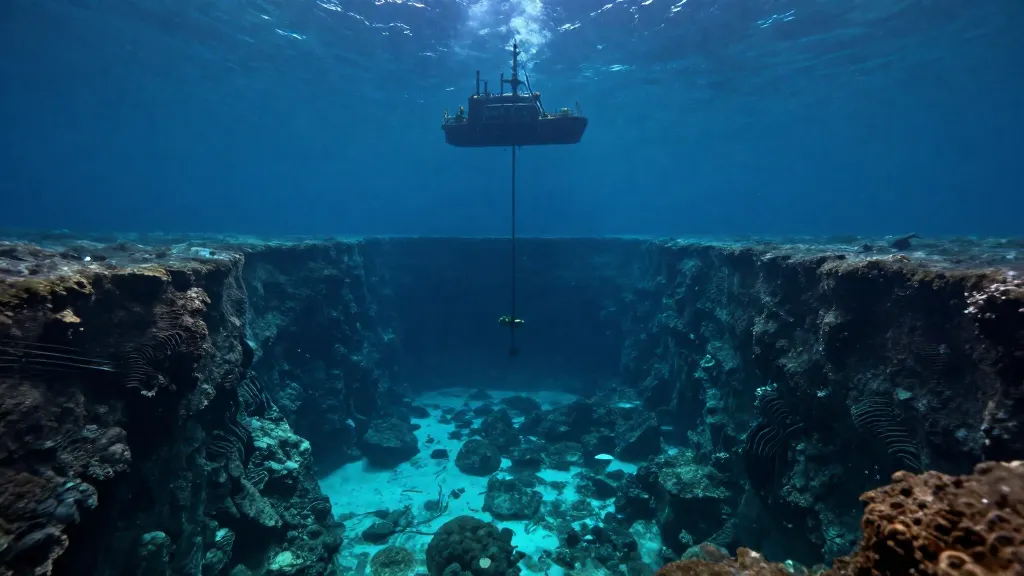
Imagine discovering a hidden ocean of fresh water beneath the salty Atlantic—one vast enough to quench New York City’s thirst for eight centuries. That’s exactly what scientists have confirmed in a groundbreaking expedition off the Massachusetts coast, where researchers have verified the existence of an enormous freshwater reservoir that has been quietly sitting beneath the seafloor for an estimated 20,000 years.
This remarkable discovery isn’t just another scientific curiosity—it represents a potential game-changer for water security in coastal regions worldwide. As climate change continues to threaten traditional water sources and coastal populations swell, this ancient aquifer offers an unexpected beacon of hope buried beneath the waves.
A Hidden Ocean Beneath the Ocean
The freshwater reservoir lies concealed beneath the seafloor off Massachusetts, representing one of the most significant hydrological discoveries in recent memory. According to reports from Live Science, an expedition has successfully confirmed what scientists had long suspected: a massive underground water source that dwarfs many surface reservoirs.
The sheer scale of this discovery is staggering. Scientists estimate the reservoir contains enough freshwater to supply New York City—one of the world’s most water-hungry metropolitan areas—for approximately 800 years. To put this in perspective, NYC consumes roughly 1 billion gallons of water daily, making this underground ocean a truly colossal find.
Ancient Waters Tell an Ice Age Story
Perhaps even more fascinating than its size is the reservoir’s age. Researchers believe this freshwater cache formed approximately 20,000 years ago, during the last Ice Age when sea levels were dramatically lower than today. As massive ice sheets locked up enormous quantities of water, the exposed continental shelf allowed freshwater to accumulate in underground formations that would later be submerged as ice melted and oceans rose.
This geological timeline suggests the water has been preserved in pristine conditions for millennia, potentially offering insights into both ancient climate patterns and modern water management strategies.
What This Could Mean for Water Security
The implications of this discovery extend far beyond academic interest. As coastal cities worldwide grapple with increasing water demands and climate-related supply challenges, offshore freshwater reserves could represent a revolutionary resource. Consider the potential applications:
• Emergency water supplies during drought conditions
• Supplemental sources for growing coastal populations
• Reduced pressure on overtaxed surface water systems
• Enhanced resilience against climate-related water stress
However, significant questions remain about the practical feasibility of accessing this underwater treasure trove.
The Science Behind the Discovery
Understanding how scientists confirmed this reservoir’s existence reveals the sophisticated technology now available for underwater exploration. The expedition off Massachusetts employed advanced techniques to penetrate the seafloor and analyze the composition of subsurface formations.
Reports suggest researchers are still working to fully understand the formation mechanisms that created this massive freshwater pocket. The process likely involved complex interactions between ice sheet dynamics, sea level changes, and geological formations that created the perfect conditions for long-term freshwater storage.
Challenges and Future Research
While the discovery offers tremendous promise, extracting and utilizing this ancient water source would present significant technical and environmental challenges. The depth and location of the reservoir beneath the seafloor would require specialized drilling and pumping technologies that don’t currently exist at the necessary scale.
Environmental considerations also loom large. Any extraction efforts would need careful assessment to avoid disrupting marine ecosystems or compromising the reservoir’s long-term integrity. Scientists emphasize the need for extensive additional research before any practical applications could be considered.
A New Chapter in Water Resource Management
This Massachusetts discovery may represent just the tip of the iceberg. If similar freshwater reservoirs exist beneath other coastal areas worldwide, it could fundamentally reshape how we think about water security and resource management in the 21st century.
The timing couldn’t be more crucial. As traditional water sources face mounting pressure from climate change, population growth, and environmental degradation, discovering vast new reserves offers hope for sustainable solutions. While significant hurdles remain before this underwater bounty becomes accessible, the very existence of such massive freshwater reserves beneath our oceans opens up entirely new possibilities for addressing one of humanity’s most pressing challenges.
Scientists continue their research to better understand this remarkable geological formation, working to unlock the secrets of how such enormous freshwater reserves can survive beneath the salty Atlantic for millennia—and what other hidden treasures might be waiting beneath the waves.