
Scientists Discover America's Hidden Water Supply Could Fill Great Lakes 13 Times Over
Groundbreaking research using machine learning and 1 million data points reveals massive untapped groundwater reserves beneath the U.S. The discovery could revolutionize water security planning.
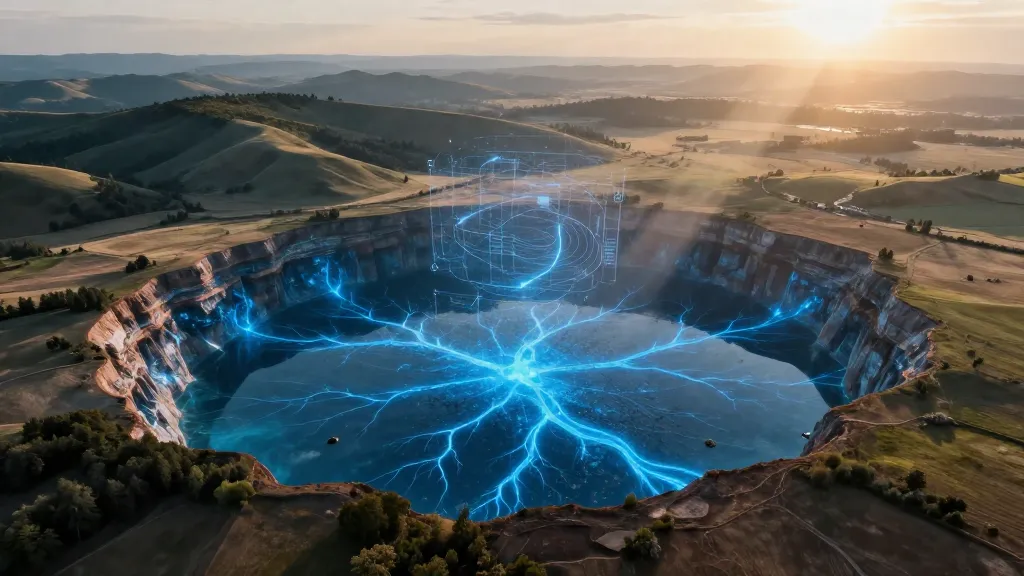
America sits atop a hidden ocean. While headlines trumpet water shortages and droughts, scientists have just unveiled something remarkable lurking beneath our feet: groundwater reserves so vast they could fill all five Great Lakes thirteen times over. This isn’t speculation—it’s the result of the most comprehensive mapping of U.S. groundwater ever attempted.
Revolutionary Mapping Reveals Hidden Treasure
Researchers have achieved what was previously impossible: creating the highest-resolution map of America’s underground water supplies. Using cutting-edge machine learning algorithms and analyzing over one million data points, scientists have peered deeper into the earth’s hidden hydrology than ever before.
The scale of what they discovered is staggering. The total volume of groundwater beneath the United States represents a resource of almost incomprehensible magnitude—enough to completely refill the Great Lakes more than a dozen times. To put this in perspective, the Great Lakes contain about 20% of the world’s fresh surface water.
The Technology Behind the Discovery
This groundbreaking research represents a quantum leap in our understanding of water resources. The machine learning approach allowed researchers to process and analyze data at a scale that would have been impossible using traditional methods.
Key breakthrough elements:
- Analysis of 1 million individual data points
- Machine learning algorithms for pattern recognition
- Unprecedented resolution in groundwater mapping
- Integration of multiple data sources and geological surveys
The sophisticated computational approach enabled scientists to identify groundwater patterns and volumes with a precision that previous studies couldn’t achieve. This technological advancement opens new possibilities for water resource management and planning.
What This Means for Water Security
The implications of this discovery extend far beyond academic research. As climate change intensifies and population growth strains existing water supplies, understanding the true extent of our groundwater resources becomes critical for long-term planning.
Reports suggest this comprehensive mapping could fundamentally change how policymakers approach water security. The knowledge that such vast reserves exist beneath American soil provides a different perspective on regional water challenges and potential solutions.
However, observers note that the mere existence of these groundwater reserves doesn’t automatically solve water scarcity issues. Accessing deep groundwater can be costly and technically challenging, and sustainable extraction rates must be carefully managed to prevent depletion.
The Science of Seeing Underground
Creating accurate maps of underground water has historically been one of geology’s greatest challenges. Groundwater doesn’t follow neat, predictable patterns—it flows through complex networks of rock, soil, and sediment that can vary dramatically from one location to another.
The machine learning approach represents a paradigm shift in how scientists tackle this complexity. By processing massive datasets and identifying subtle patterns that human analysis might miss, the algorithms can predict groundwater presence and volume with remarkable accuracy.
Looking Forward: Challenges and Opportunities
While this discovery offers tremendous potential, it also raises important questions about sustainable water management. The research provides crucial baseline data that could inform everything from agricultural planning to urban development strategies.
Environmental scientists emphasize that groundwater, while vast, isn’t unlimited. The challenge moving forward will be developing extraction and management strategies that tap into these reserves responsibly while maintaining long-term sustainability.
This groundbreaking research demonstrates how advanced technology can reveal hidden aspects of our planet’s resources. As we face growing environmental challenges, such precise mapping of natural resources becomes increasingly valuable for informed decision-making and strategic planning.
The discovery of America’s vast underground water wealth doesn’t just change numbers on a chart—it potentially transforms our entire approach to water security and resource management for generations to come.