
Trump Claims Venezuela Will Hand Over 30-50 Million Barrels of Oil to US
President Trump announces a major oil deal with Venezuela, claiming the country will transfer massive crude reserves to US storage and refineries. The move could generate $1.65-2.75 billion but raises questions about Venezuela's depleted reserves and the timeline for transfer.
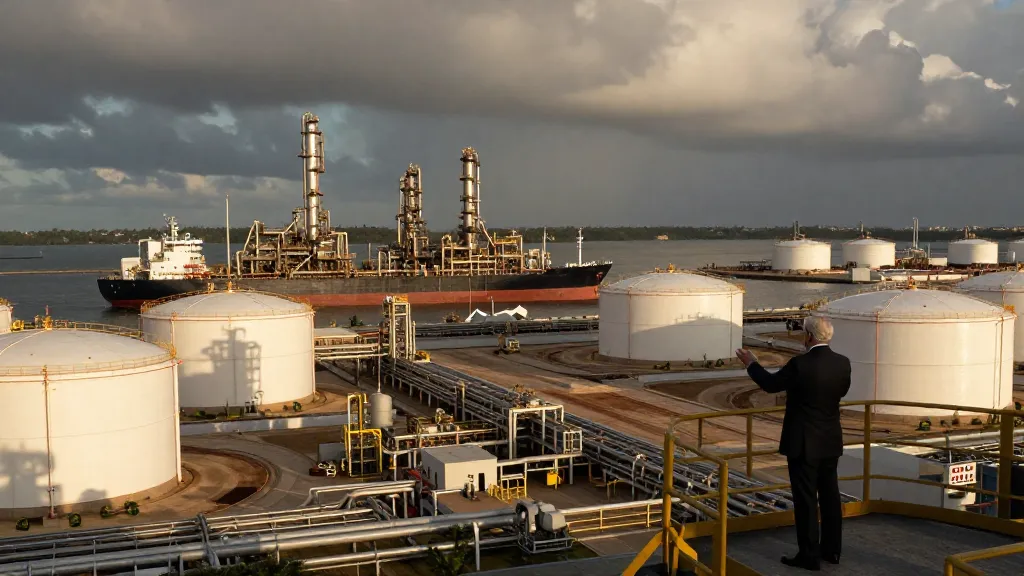
President Donald Trump announced Tuesday night that Venezuela will hand over between 30 and 50 million barrels of oil to the United States, marking a dramatic shift in US-Venezuela relations and potentially reshaping energy markets. The oil, described as “sanctioned crude,” will be transported directly to US Gulf facilities for refining, with proceeds controlled by Washington. Energy Secretary Chris Wright has been tasked with executing the plan “immediately.” But beneath the headline-grabbing announcement lies a more complex picture: questions about Venezuela’s depleted reserves, the actual impact on American gas prices, and the timeline for what could be a transformative geopolitical power play.
The Deal: What Trump Is Claiming
According to Trump’s announcement on Truth Social, Venezuela’s interim authorities will surrender oil stockpiles that have already been produced and placed in barrels. A senior administration official confirmed to CNN that the majority of this crude is currently on boats headed toward US facilities in the Gulf. The proceeds from selling this oil at market value will be “controlled by the United States” and used to “benefit the people of Venezuela and the United States,” Trump wrote.
The announcement sent immediate ripples through energy markets. US oil futures fell roughly $1 per barrel—just under 2%—to $56 following Trump’s statement.
The Revenue Question
At current market prices, the numbers look substantial. Venezuelan crude is trading at approximately $55 per barrel. If the US successfully sells between 30 and 50 million barrels at market rates, it could generate:
- Low estimate: $1.65 billion (30 million barrels × $55)
- High estimate: $2.75 billion (50 million barrels × $55)
For context, these are significant sums, but they represent only a fraction of annual US federal revenue or typical oil industry transactions.
Will This Actually Lower Gas Prices?
Here’s where the announcement gets thorny. While 30 to 50 million barrels sounds impressive, the US consumed just over 20 million barrels of oil per day last month. That means this entire stockpile represents roughly 1.5 to 2.5 days of American consumption.
History offers a cautionary tale. When former President Joe Biden released 180 million barrels from the Strategic Petroleum Reserve in 2022—more than three times Trump’s claimed amount—gas prices fell by only 13 to 31 cents per gallon over four months, according to Treasury Department analysis. Observers note that crude oil supply is just one factor affecting pump prices; refining capacity, distribution, geopolitics, and global demand all play roles.
What to watch for:
- The actual timeline for oil transfers to US facilities
- Whether Venezuela can sustain this level of export given its depleted reserves
- Real-world impact on US gas prices over the coming months
- International reactions from other oil-producing nations
The Depletion Problem
Venezuela’s oil reserves have been a subject of concern for years. However, reports suggest the country has built up significant stockpiles of crude since the US began its oil embargo late last year. According to industry analysts, Venezuela maintains roughly 48 million barrels of storage capacity and was nearly full. Additionally, seized tankers transporting Venezuelan oil were carrying an estimated 15 to 22 million barrels.
Handing over 30 to 50 million barrels would substantially deplete these reserves—potentially leaving Venezuela with minimal strategic cushion. A senior administration official acknowledged that the transfer would happen quickly because Venezuelan crude is very heavy and cannot be stored indefinitely. However, energy experts push back on this timeline concern, noting that crude oil can remain stable for decades when properly stored, as evidenced by the long-term viability of the Strategic Petroleum Reserve.
The Geopolitical Play
This announcement represents a striking use of US economic and diplomatic leverage. By pressuring Venezuela and securing control over massive oil reserves, Trump is signaling a more assertive approach to energy independence and hemispheric influence. The deal also illustrates the fragility of Venezuela’s position: interim authorities are apparently willing to surrender substantial national assets in exchange for political recognition or relief from sanctions.
The Unanswered Questions
Several critical details remain unclear. The timeline for the complete transfer hasn’t been specified—will it happen over weeks, months, or longer? How will the US ensure it can find buyers for Venezuelan crude at market rates? And what does this arrangement mean for Venezuela’s future energy security and economy?
CNN reached out to the White House for additional details but had not received a comprehensive response at publication time.
The Bottom Line
Trump’s Venezuela oil announcement delivers political theater and genuine economic substance, but perhaps not the transformative impact on American gas prices that some might expect. The 30 to 50 million barrels represent real revenue and a tactical victory in energy geopolitics, but they’re unlikely to dramatically reshape the energy landscape or bring dramatic relief at the pump. For now, the announcement stands as a bold assertion of US influence—and a reminder that in global energy markets, geopolitics and physics don’t always bend to political will.