
Powassan Virus Hits Record High: The Tick-Borne Illness Americans Don't Know About
A rare tick-borne virus with no vaccine has reached record diagnoses in 2025, with 76 confirmed U.S. cases and experts warning of rapid progression to severe illness. Health officials urge tick prevention as cases surge.
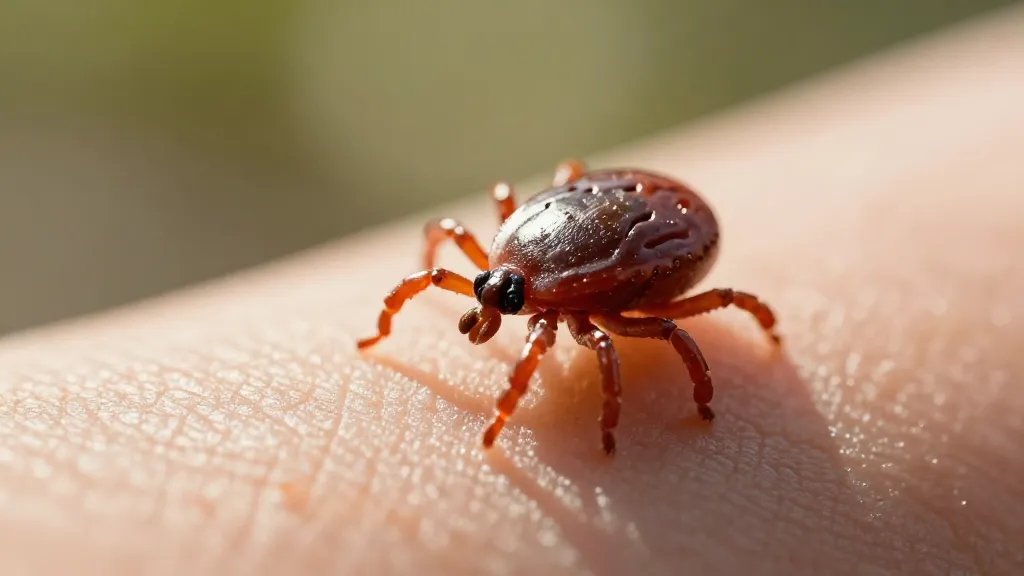
You’ve probably never heard of Powassan virus—but it’s spreading faster than most people realize. In 2025, the United States hit a record high of 76 confirmed cases of this rare tick-borne illness, and what makes it truly alarming is that there’s no vaccine to protect against it. Even more concerning, the virus can progress from first symptoms to severe illness in just days. As tick season ramps up across the country, health experts are sounding the alarm about a pathogen that remains largely unknown to the general public.
What Is Powassan Virus?
Powassan virus isn’t new—the first documented human case dates back to 1958—but it’s been largely relegated to the margins of public health awareness. The virus is transmitted through infected ticks, primarily in North America, and once contracted, it can cause serious neurological complications. Unlike some tick-borne illnesses, Powassan doesn’t linger quietly in the background. It moves fast.
Why the Sudden Spike?
The jump to 76 confirmed cases in 2025 represents a significant milestone, marking the highest number of Powassan diagnoses recorded in recent years. Experts point to several contributing factors: expanding tick populations, longer tick seasons due to warming temperatures, and increased human activity in tick-prone areas. However, the exact reasons for the accelerated transmission remain the subject of ongoing investigation.
The Danger: Fast Progression, No Cure
What sets Powassan apart from other tick-borne illnesses is its speed. The virus can escalate from initial symptoms to severe neurological disease in a matter of days. Patients have reported rapid onset of fever, headache, and muscle aches, which can quickly develop into more serious conditions affecting the nervous system.
The lack of a vaccine means prevention is everything. There is no specific treatment to cure Powassan virus; medical care is largely supportive, focusing on managing symptoms as the body fights the infection.
What to Watch For
If you spend time outdoors, especially in wooded or grassy areas, keep an eye out for these warning signs:
- Fever and severe headache appearing suddenly
- Muscle aches and weakness
- Confusion or difficulty concentrating
- Sensitivity to light
- Nausea and vomiting
If you experience any combination of these symptoms after a tick bite or outdoor exposure, seek medical attention promptly.
How to Protect Yourself
Since no vaccine exists, tick prevention is your best defense. Health officials recommend a multi-layered approach:
Before heading outdoors: Apply insect repellent containing DEET, picaridin, or oil of lemon eucalyptus to exposed skin and clothing. Wear light-colored, long-sleeved shirts and long pants tucked into socks—it makes ticks easier to spot.
After being outside: Perform a thorough tick check on your entire body, paying special attention to warm, moist areas like the hairline, armpits, and groin. Shower within a few hours of coming indoors. Place potentially tick-infested clothing directly into the dryer on high heat.
At home: Keep grass trimmed, remove leaf litter, and create a barrier between wooded areas and your yard.
The Bigger Picture
The rise in Powassan cases reflects a broader trend of emerging and re-emerging tick-borne illnesses in the United States. Lyme disease, Babesiosis, and Anaplasmosis have all surged in recent years, creating a complex public health challenge. Climate change, habitat fragmentation, and wildlife movement patterns are all playing roles in how these diseases spread.
What makes Powassan particularly urgent is the combination of its severity, speed of progression, and the complete absence of vaccine protection. Unlike some other health threats that grab headlines, Powassan remains largely invisible in public consciousness—even as cases climb.
What Comes Next?
Health officials and researchers are intensifying efforts to better understand transmission patterns and develop preventive measures. In the meantime, awareness is the first line of defense. The more people know about Powassan, the more likely they are to take tick prevention seriously and seek prompt medical care if symptoms develop.
The record case count in 2025 isn’t a reason to panic—it’s a reason to be informed and prepared. Tick season doesn’t end overnight, and Powassan virus isn’t going away. What you do to protect yourself, starting today, could make the difference between a close call and a serious illness.