
Scientists Reverse Knee Cartilage Damage With Anti-Aging Injection—No Surgery Needed
Stanford researchers discovered an injectable treatment that regenerates worn knee cartilage by reprogramming existing cells, potentially eliminating the need for joint replacement surgery and preventing arthritis after injury.
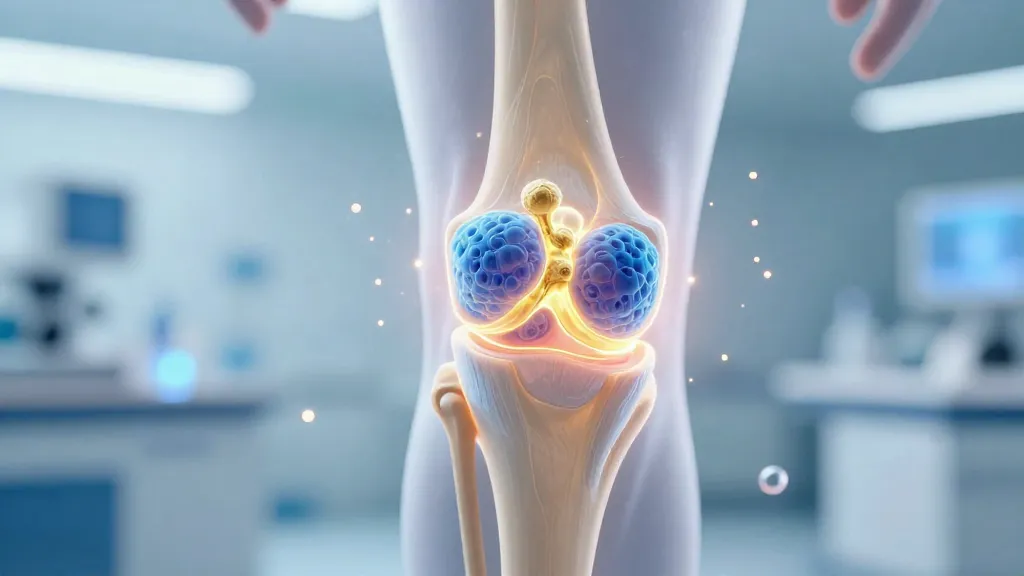
Imagine waking up one day and discovering that the chronic knee pain that’s plagued you for years could simply vanish—not through surgery, but through a single injection. That future might be closer than you think. Researchers at Stanford Medicine have identified a surprisingly simple way to regenerate cartilage by blocking a protein linked to aging, potentially transforming how we treat joint damage and arthritis.
The Problem That Affects Millions
Osteoarthritis is quietly devastating. Roughly one in five American adults suffers from this degenerative joint condition, which costs the healthcare system an estimated $65 billion annually in direct care. Yet despite decades of research, no medication exists that can actually halt or reverse the disease. Patients are left with two grim options: manage the pain or go under the knife for joint replacement surgery.
The culprit behind cartilage loss is deceptively simple: aging. As we get older, our cartilage—the smooth, slippery tissue that cushions our joints—gradually wears away. Injuries like ACL tears accelerate the process, and about half of athletes who tear their ACL develop arthritis in that joint within 15 years.
Until now, no drug directly addressed the root cause.
Meet 15-PGDH: The Aging Protein
The Stanford team’s breakthrough centers on a single protein: 15-PGDH. This gerozyme—a protein that actively contributes to aging—becomes increasingly abundant as we grow older. It’s the same culprit involved in age-related muscle weakness, bone regeneration problems, and nerve damage.
Here’s where it gets exciting: when scientists blocked 15-PGDH in aging mice, their worn-down knee cartilage actually thickened and regenerated. The effect wasn’t modest—it was, as the researchers put it, “remarkable.”
How It Works: Reprogramming Without Stem Cells
This discovery overturned conventional wisdom about tissue regeneration. Most regenerative medicine relies on stem cells—pristine, undifferentiated cells that can become anything the body needs. But cartilage doesn’t work that way.
Instead, the treatment reprograms existing cartilage cells (chondrocytes) to adopt a more youthful gene expression pattern. The cells essentially “remember” how to function like younger cartilage and spring back into action. No stem cells required. No complex cell transplants. Just existing cells shifting gears.
When researchers examined human cartilage tissue from osteoarthritis patients undergoing knee replacement surgery, the same magic happened: blocking 15-PGDH triggered regeneration of functional articular cartilage.
What to Watch For
- Injectable version: Already being tested for direct joint treatment
- Oral medication: A pill-based version is in clinical trials for muscle weakness
- Human trials: Phase 1 safety data is complete; cartilage regeneration trials could launch soon
- Timeline: Clinical applications could emerge within several years
Preventing Arthritis After Injury
The implications go beyond just reversing existing damage. In mice with ACL-like injuries, a series of injections twice weekly for four weeks dramatically reduced the development of arthritis. Treated animals moved more normally and bore more weight on their injured legs compared to untreated controls.
This suggests the treatment could prevent the cascade of joint deterioration that typically follows sports injuries—potentially sparing millions from decades of chronic pain.
The Human Test
The most compelling evidence comes from actual human tissue. When researchers treated cartilage samples from osteoarthritis patients with the 15-PGDH inhibitor for just one week, the tissue began regenerating articular cartilage while showing lower levels of inflammatory and degradation markers.
“This is a new way of regenerating adult tissue with significant clinical promise,” said Helen Blau, PhD, the senior researcher leading the work. “We were looking for stem cells, but they are clearly not involved. It’s very exciting.”
From Lab to Clinic: What’s Next?
The path forward is already paved. A 15-PGDH inhibitor has completed Phase 1 clinical trials for muscle weakness and proved safe and active in healthy volunteers. The Stanford team hopes to launch similar trials for cartilage regeneration soon.
If successful, this could fundamentally change orthopedic medicine. Imagine avoiding joint replacement surgery entirely. Imagine treating an ACL tear and actually preventing arthritis from ever developing. Imagine restoring quality of life to millions suffering from joint pain without invasive surgery.
“Millions of people suffer from joint pain and swelling as they age,” said Nidhi Bhutani, the study’s other senior author. “This gerozyme inhibitor causes dramatic regeneration of cartilage beyond that reported in response to any other drug or intervention.”
Why This Matters
This breakthrough matters because it’s not pie-in-the-sky promise. It’s grounded in solid biology that works across species and even in human tissue. It targets the actual cause of cartilage loss rather than just masking symptoms. And it uses a mechanism—blocking a single aging-related protein—that’s simple enough to translate into a practical treatment.
The researchers themselves are cautiously optimistic but clear-eyed about the work ahead. “Our hope is that a similar trial will be launched soon to test its effect in cartilage regeneration,” Blau said. “We are very excited about this potential breakthrough. Imagine regrowing existing cartilage and avoiding joint replacement.”
For the millions struggling with joint pain, that’s not just exciting—it’s hope.