
Scientists Discover the Most Effective Exercise for Fat Loss After 50
New research reveals that high-intensity interval training dramatically outperforms traditional cardio for older adults seeking fat loss while preserving muscle mass. The findings could revolutionize fitness approaches for the aging population.
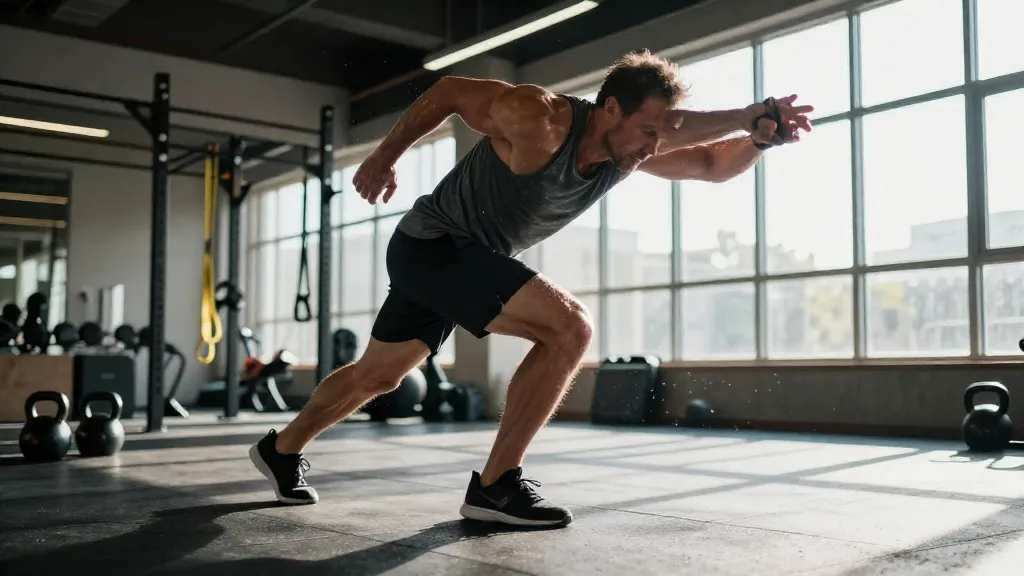
For decades, older adults have been told to stick to gentle, steady-state cardio—think long walks on the treadmill or leisurely bike rides. But groundbreaking new research is turning that conventional wisdom on its head, revealing that high-intensity interval training (HIIT) might be the secret weapon for fat loss after 50.
The HIIT Revolution for Mature Adults
Recent research indicates that exercise intensity, not just duration, plays a crucial role in helping older adults achieve their body composition goals. The findings suggest that HIIT offers a more efficient pathway to fat loss while preserving precious muscle mass—a combination that’s particularly vital as we age.
This discovery challenges the long-held belief that older adults should avoid intense exercise. Instead, it points toward a smarter, more time-efficient approach that could revolutionize how the aging population thinks about fitness.
Why Traditional Cardio Falls Short
For years, steady-state cardio has been the go-to recommendation for older adults looking to lose weight. The logic seemed sound: moderate, sustained activity feels safer and more manageable. However, this approach may not be delivering optimal results when it comes to body composition changes.
The research highlights a critical distinction between general weight loss and targeted fat reduction while maintaining muscle mass. Traditional cardio, while beneficial for cardiovascular health, appears less effective at achieving this specific combination that older adults need most.
The Science Behind HIIT’s Superior Results
High-intensity interval training alternates between short bursts of intense activity and periods of rest or lower-intensity exercise. This approach triggers different physiological responses compared to steady-state cardio, according to the research findings.
Key Benefits for Older Adults:
- More efficient fat burning during and after workouts
- Better preservation of lean muscle mass
- Time-saving workout format
- Improved metabolic response
- Enhanced body composition changes
The intensity component appears to be the game-changer, creating metabolic conditions that favor fat loss while protecting muscle tissue—exactly what older adults need to maintain strength and independence as they age.
What This Means for Your Fitness Routine
These findings don’t mean older adults should immediately abandon all other forms of exercise. Rather, they suggest that incorporating HIIT principles could significantly enhance fat loss efforts when done appropriately.
The research emphasizes that exercise intensity, rather than simply logging more hours at the gym, may be the key to achieving better body composition outcomes. This is particularly encouraging news for busy adults who struggle to find time for lengthy workout sessions.
Safety Considerations and Next Steps
While the research presents compelling evidence for HIIT’s effectiveness, observers note that proper implementation is crucial, especially for older adults who may be new to high-intensity exercise. The intensity should be scaled appropriately to individual fitness levels and health conditions.
Reports suggest that older adults interested in incorporating HIIT should consult with healthcare providers and qualified fitness professionals to ensure safe and effective program design. The goal is to harness the benefits of increased intensity while minimizing injury risk.
The Bottom Line
This research represents a significant shift in understanding optimal exercise strategies for older adults seeking fat loss. By focusing on intensity rather than duration alone, HIIT appears to offer a more efficient path to improved body composition after 50.
The implications extend beyond individual fitness routines—they could influence how fitness professionals, healthcare providers, and aging adults approach exercise programming. As the population continues to age, finding the most effective strategies for maintaining healthy body composition becomes increasingly important for long-term health and quality of life.