
Revolutionary Toothpaste Fights Gum Disease While Protecting Good Bacteria
Scientists have developed a breakthrough toothpaste that targets gum disease without destroying beneficial oral bacteria. This microbiome-friendly approach could transform how we treat periodontitis.
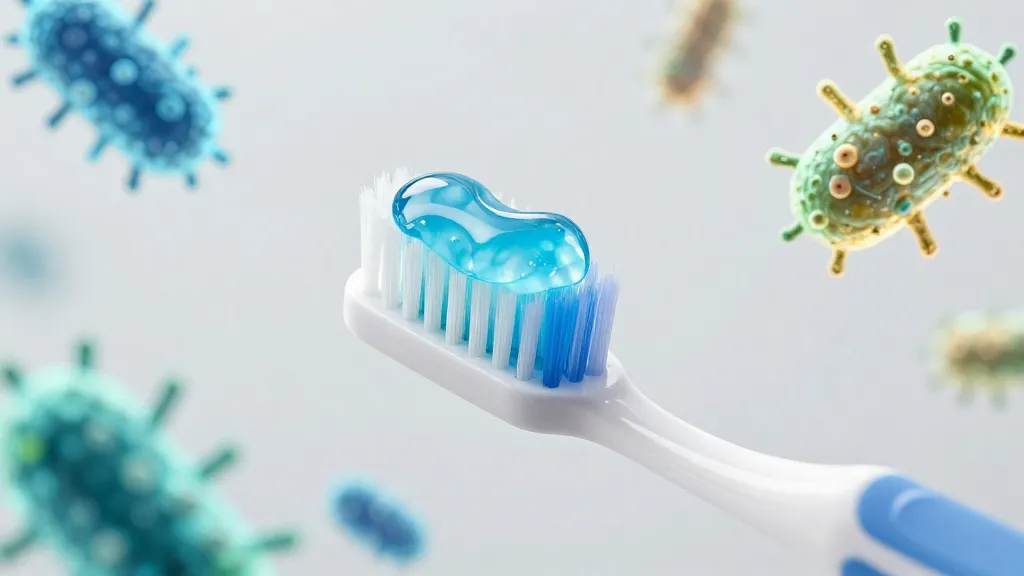
Your mouth is home to hundreds of bacterial species, and for decades, fighting gum disease has meant waging an all-out war against all of them. But what if we could be more selective? What if we could target only the troublemakers while leaving the beneficial bacteria unharmed? Scientists believe they’ve cracked this code with a revolutionary toothpaste that could change how we approach oral health forever.
The Problem with Traditional Approaches
Current treatments for periodontitis—a serious gum infection that affects nearly half of adults over 30—typically involve aggressive approaches that wipe out both harmful and beneficial bacteria. This scorched-earth strategy can disrupt the delicate ecosystem in your mouth, potentially creating new problems while solving old ones.
The oral microbiome plays a crucial role in maintaining healthy teeth and gums. When we destroy beneficial bacteria along with the harmful ones, we’re essentially starting from scratch, hoping the good guys repopulate faster than the bad ones.
A Smarter Way to Fight Gum Disease
Researchers have developed what appears to be a game-changing solution: a targeted toothpaste that can distinguish between friend and foe in your mouth’s bacterial community. This innovative approach combats periodontitis while preserving the beneficial bacteria that keep your oral ecosystem balanced.
The breakthrough represents a fundamental shift from the traditional “kill everything” approach to a more nuanced strategy that works with your mouth’s natural defenses rather than against them.
How the Technology Works
While the specific mechanisms aren’t fully detailed in current reports, the innovation centers around selective targeting. Instead of using broad-spectrum antimicrobial agents that affect all bacteria equally, this new formulation appears to identify and attack only the specific bacterial strains responsible for gum disease.
This precision approach could address one of the biggest challenges in periodontal treatment: maintaining long-term oral health after eliminating the infection.
What This Means for Millions of Sufferers
Periodontitis affects a staggering number of people worldwide, making this development particularly significant. Traditional treatments often require multiple dental visits, professional cleanings, and sometimes surgical interventions. A toothpaste that could effectively treat the condition while maintaining oral health balance represents a major leap forward in accessibility and convenience.
Key Benefits to Watch For:
- Gentler treatment that preserves beneficial bacteria
- Potential for at-home management of gum disease
- Reduced need for aggressive professional interventions
- Better long-term oral health outcomes
- More sustainable approach to periodontal care
The Microbiome Revolution Reaches Your Mouth
This innovation aligns with a broader shift in medicine toward microbiome-friendly treatments. Just as we’ve learned to nurture gut bacteria for digestive health, oral care is evolving to recognize the importance of bacterial balance in the mouth.
The timing couldn’t be better, as consumers increasingly seek products that work with their body’s natural systems rather than disrupting them.
Looking Ahead
While reports suggest this targeted toothpaste shows promising results, observers note that widespread availability and clinical validation will be key factors in determining its real-world impact. The development represents a significant step toward more sophisticated, personalized oral care.
For the millions of people dealing with gum disease, this innovation offers hope for a gentler, more effective approach to treatment—one that could transform not just how we fight periodontitis, but how we think about oral health entirely.
The question isn’t whether this technology will change dental care, but how quickly it will reach the bathroom cabinets of those who need it most.