
Baby Dies from Raw Milk Listeria as 'Liquid Gold' Trend Spreads on Social Media
A New Mexico infant's death from listeria linked to raw milk consumption highlights the deadly risks of the trending 'liquid gold' wellness movement promoted across social platforms.
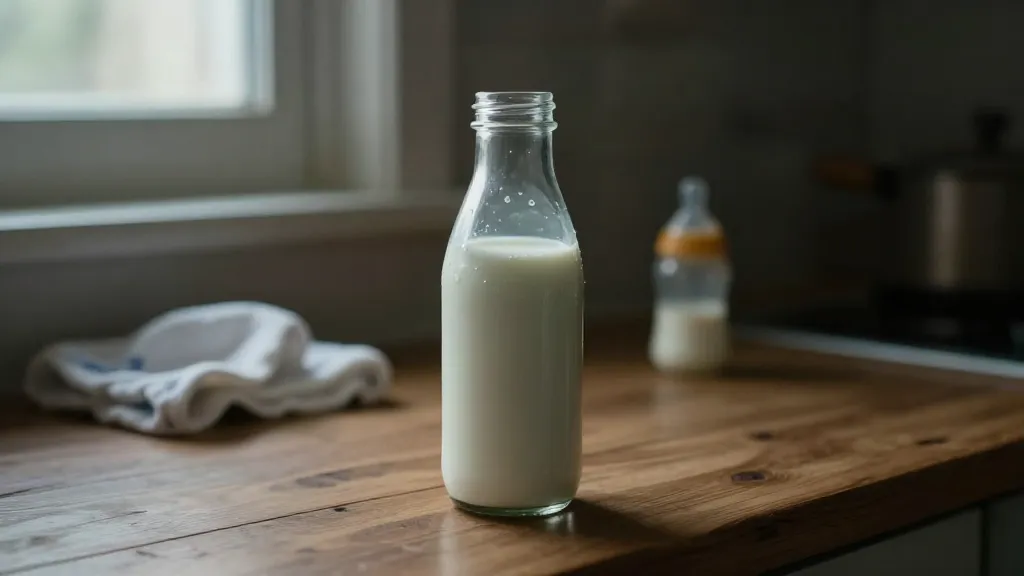
The tragic death of a New Mexico infant from listeria infection linked to raw milk consumption has sent shockwaves through public health communities, highlighting the deadly consequences of a wellness trend that’s been gaining dangerous momentum across social media platforms.
The ‘Liquid Gold’ Movement Takes a Deadly Turn
Raw milk has experienced an alarming resurgence in recent months, with influencers and wellness advocates promoting unpasteurized dairy as “liquid gold” across various social media platforms. This marketing has transformed what health experts consider a serious food safety risk into a coveted wellness product, complete with hashtags and testimonials that paint raw milk as a superfood rather than a potential health hazard.
The New Mexico case represents the stark reality behind the glossy social media posts. While exact details about the infant’s condition and circumstances remain limited, health officials have confirmed the connection between the baby’s death and listeria contamination from raw milk consumption.
Understanding the Hidden Dangers
Listeria monocytogenes, the bacteria responsible for this tragedy, thrives in unpasteurized dairy products. Unlike many foodborne pathogens, listeria can multiply even at refrigeration temperatures, making raw milk a particularly dangerous vector for infection.
Who’s Most at Risk?
Certain populations face heightened vulnerability to listeria infection:
- Newborns and infants
- Pregnant women and their unborn children
- Adults over 65
- Individuals with compromised immune systems
For these groups, listeria infection can prove fatal, causing severe complications including meningitis, sepsis, and in pregnant women, miscarriage or stillbirth.
The Social Media Echo Chamber
Reports suggest that raw milk’s popularity has been fueled by social media influencers who promote it as a natural alternative to pasteurized dairy, often claiming benefits that lack scientific backing. These posts frequently downplay or ignore the well-documented risks associated with unpasteurized dairy consumption.
The messaging around raw milk often taps into broader wellness trends that emphasize “natural” and “unprocessed” foods, creating an appealing narrative that resonates with health-conscious consumers seeking alternatives to conventional products.
What Health Experts Want You to Know
Pasteurization, the process of heating milk to eliminate harmful bacteria, was developed specifically to prevent the types of infections that claimed this infant’s life. This process effectively destroys dangerous pathogens including listeria, salmonella, and E. coli without significantly affecting milk’s nutritional value.
Key Warning Signs to Watch For
Health officials urge parents and caregivers to be aware of listeria symptoms:
- Fever and chills
- Muscle aches
- Nausea and vomiting
- Diarrhea
- In severe cases, confusion, loss of balance, or convulsions
The Regulatory Response
While specific regulatory responses to this case remain unclear, public health authorities have historically maintained strong positions against raw milk consumption, particularly for vulnerable populations. The tragedy in New Mexico is likely to intensify these warnings and potentially prompt additional safety measures.
Moving Forward: Separating Fact from Fiction
This heartbreaking case serves as a sobering reminder that wellness trends promoted on social media can carry real-world consequences. As the raw milk movement continues to gain traction online, health experts emphasize the importance of consulting medical professionals rather than relying on social media influencers for nutritional guidance.
The death of this New Mexico infant represents more than just a single tragedy—it’s a wake-up call about the dangerous intersection of social media wellness culture and public health. While the allure of “natural” products continues to drive consumer choices, the science behind food safety measures like pasteurization exists for compelling, life-saving reasons.
For parents and caregivers, the message from health experts remains clear: the risks associated with raw milk consumption, particularly for infants and other vulnerable populations, far outweigh any purported benefits promoted in viral social media content.