
California Study Links Wildfire Smoke During Pregnancy to Autism Risk in Children
New research reveals pregnant women exposed to wildfire smoke, especially in the third trimester, may face elevated autism risk in their children. The California study highlights a concerning climate-health connection affecting families in wildfire-prone regions.
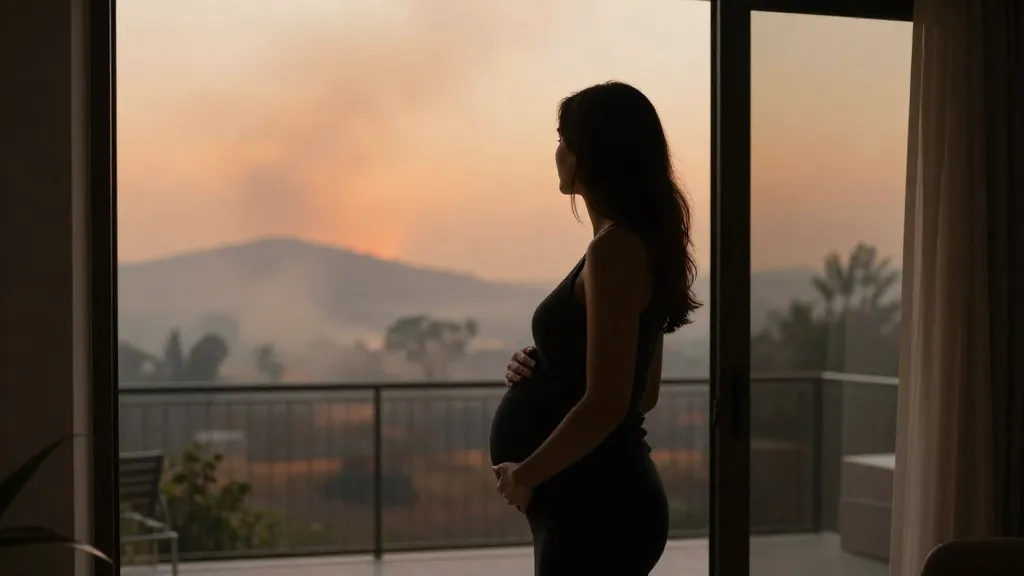
A groundbreaking study from California has uncovered a troubling connection that could reshape how we think about pregnancy safety in an era of increasingly severe wildfire seasons. Researchers have found that pregnant women exposed to wildfire smoke may face an elevated risk of having children with autism, with the strongest correlation appearing during the crucial third trimester.
This research emerges at a time when millions of Americans live in wildfire-prone regions, making the findings particularly relevant for expectant mothers across the Western United States and beyond.
The Third Trimester Connection
The California study reveals that timing matters significantly when it comes to wildfire smoke exposure during pregnancy. While any exposure raises concerns, the research indicates that third-trimester exposure shows the strongest correlation with autism risk in children.
This timing is particularly significant because the third trimester represents a critical period of brain development for the developing fetus. During these final months of pregnancy, neural connections are forming rapidly, potentially making the developing brain more vulnerable to environmental toxins present in wildfire smoke.
What Makes Wildfire Smoke Particularly Dangerous
Wildfire smoke contains a complex mixture of harmful particles and chemicals that differ substantially from typical air pollution. The composition includes:
- Fine particulate matter that can cross the placental barrier
- Toxic chemicals released from burning vegetation and structures
- Carbon monoxide and other gases that can affect oxygen delivery
- Heavy metals and other compounds that may disrupt normal development
These components can potentially interfere with crucial developmental processes occurring during pregnancy, though researchers emphasize that more study is needed to understand the exact mechanisms involved.
A Growing Climate and Health Concern
This research highlights an increasingly urgent intersection between climate change and public health. As wildfire seasons become longer and more intense across many regions, pregnant women in affected areas face extended periods of potential exposure to harmful smoke.
The implications extend beyond individual pregnancies to broader public health planning. Communities in wildfire-prone areas may need to develop specific protocols for protecting pregnant women during fire season, including improved air filtration systems, evacuation planning, and enhanced prenatal monitoring.
Understanding the Research Limitations
While these findings provide important insights, researchers emphasize that correlation does not establish causation. The study identifies an association between wildfire smoke exposure and autism risk, but more research is needed to understand whether the smoke directly causes developmental changes or whether other factors might explain the connection.
Reports suggest that the research team used robust data collection methods specific to California’s unique wildfire patterns and population demographics. However, observers note that additional studies in other regions would help confirm whether these findings apply more broadly.
What Expectant Mothers Should Watch For
Pregnant women in wildfire-prone areas should be aware of several key warning signs and protective measures:
- Air quality alerts and wildfire smoke advisories in their region
- Recommendations to stay indoors during heavy smoke events
- The importance of proper air filtration systems in homes
- When to consult healthcare providers about exposure concerns
Moving Forward with Awareness
This research doesn’t mean pregnant women should panic about wildfire exposure, but rather that they should take informed precautions when possible. The findings underscore the importance of considering environmental factors as part of comprehensive prenatal care, especially in regions where wildfire smoke exposure is becoming increasingly common.
As climate patterns continue to shift and wildfire seasons intensify, studies like this California research provide crucial data for both individual decision-making and broader public health policy. The connection between environmental exposures during pregnancy and long-term developmental outcomes represents a growing field of study that could influence everything from residential planning to healthcare protocols in affected communities.
For now, awareness and prevention remain the best tools available to expectant mothers navigating pregnancy in an era of climate-related health challenges.