
Dangerous Lyme Disease Variant Detected in New York for First Time
A rare strain of Lyme disease caused by B. mayonii bacteria has been identified in New York state, marking the first time this potentially more severe variant has been found outside of Minnesota and Wisconsin.
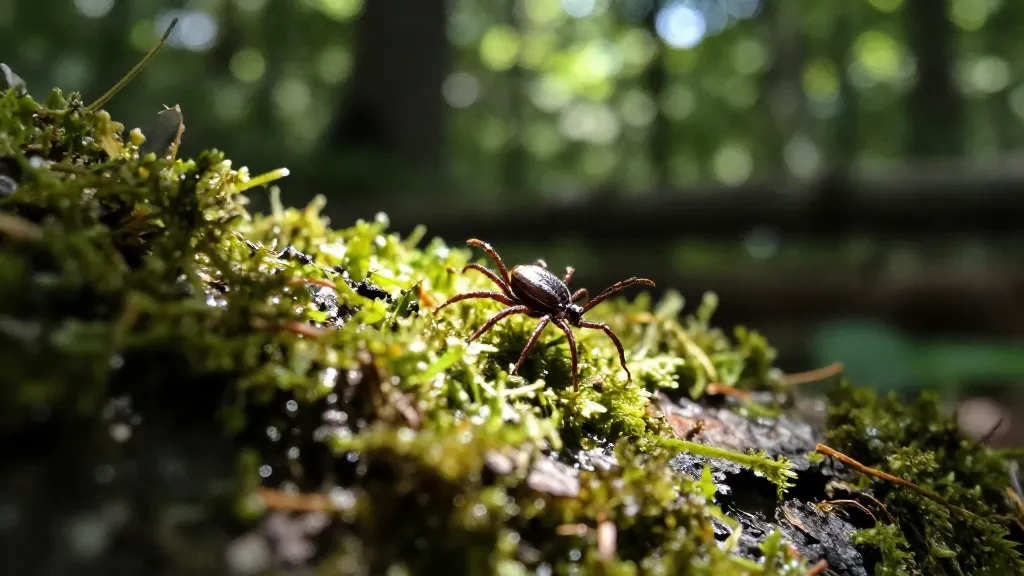
A rare and potentially more dangerous variant of Lyme disease has crossed state lines for the first time, appearing in New York after being confined to just two Midwestern states for years. This development has health officials closely monitoring the situation as the geographic footprint of this concerning bacterial strain continues to expand.
What Makes This Lyme Disease Variant Different
The newly detected strain is caused by Borrelia mayonii bacteria, a species that differs significantly from the more common Borrelia burgdorferi that causes typical Lyme disease cases. While both are transmitted through tick bites, reports suggest that B. mayonii may produce more severe symptoms in infected individuals.
Until now, this particular variant had only been identified in Minnesota and Wisconsin, making its appearance in New York a significant geographic expansion that has caught the attention of public health experts.
Geographic Spread Raises Concerns
The detection of B. mayonii in New York state represents the first time this bacterial strain has been found outside of its previously known range in the upper Midwest. This expansion suggests that the ticks carrying this variant may be establishing themselves in new territories, potentially putting more people at risk.
Health officials are working to understand how this strain made its way to New York and whether it represents an isolated case or the beginning of broader geographic spread across the Northeast.
What to Watch For
Key symptoms and risk factors to monitor include:
- Fever and chills that may be more pronounced than typical Lyme disease
- Distinctive rash patterns that could differ from the classic “bull’s eye” appearance
- Potential for more severe neurological complications
- Increased bacterial load in the bloodstream compared to common Lyme disease
Prevention Remains Critical
While the discovery of this variant in New York is concerning, the prevention strategies remain the same as for traditional Lyme disease. Observers note that tick avoidance and early detection continue to be the most effective ways to prevent infection, regardless of the bacterial strain involved.
What Health Officials Are Doing
State health departments are likely increasing surveillance efforts to determine if additional cases exist and to track any further geographic spread. The identification of this case suggests that diagnostic testing may need to be expanded to screen for multiple Lyme disease variants in areas where they weren’t previously expected.
The Bigger Picture
This development underscores the evolving nature of tick-borne diseases and their geographic distribution. As climate patterns shift and wildlife populations move, disease vectors like ticks can establish themselves in new areas, bringing previously localized health threats to broader populations.
The appearance of B. mayonii in New York serves as a reminder that infectious disease patterns are not static, and continued vigilance is necessary to protect public health as these threats adapt and spread to new regions.