
Popular Weight Loss Drugs Like Ozempic May Cause Scurvy, Researchers Warn
New research suggests GLP-1 weight loss medications could be depleting essential vitamins in users, potentially leading to serious nutritional deficiencies including scurvy. Millions of current users may need to monitor their nutrient levels more closely.
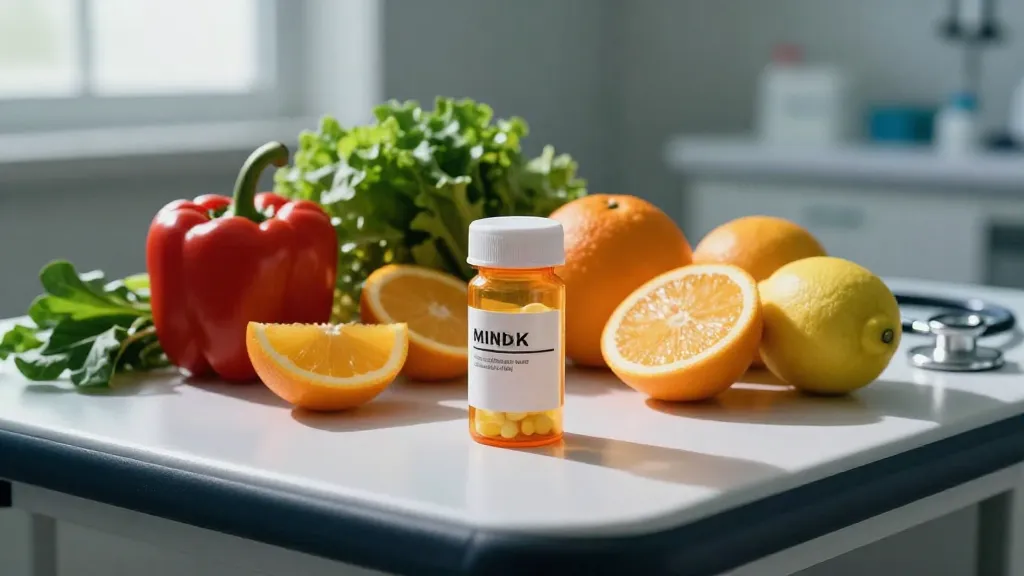
The millions of people turning to popular weight loss medications like Ozempic and Wegovy for dramatic results may be facing an unexpected consequence: their bodies could be quietly starving for essential nutrients. New research suggests these widely-used GLP-1 drugs might be depleting critical vitamins in ways that could lead to serious health complications, including a disease most people thought was relegated to history books.
The Scurvy Connection
Reports suggest that researchers have identified concerning patterns among patients using GLP-1 medications for extended periods. One researcher has linked these drugs to scurvy—a condition caused by severe vitamin C deficiency that was once common among sailors but largely eliminated in modern times thanks to improved nutrition.
The connection appears to stem from how these medications work. GLP-1 drugs are designed to slow digestion and reduce appetite, helping users feel full longer and eat less. However, this mechanism may be having unintended consequences on nutrient absorption and overall nutritional intake.
Beyond Scurvy: A Broader Nutritional Crisis
While scurvy represents one of the more dramatic potential outcomes, researchers indicate the problem extends beyond just vitamin C deficiency. Patients on GLP-1 drugs are showing signs of various vitamin and nutrient deficiencies that could have far-reaching health implications.
What to Watch For:
- Unusual fatigue or weakness
- Slow-healing wounds or bruising
- Joint pain or muscle aches
- Changes in skin or hair health
- Frequent infections or illness
The concern is particularly acute for long-term users who may have been on these medications for months or years without proper nutritional monitoring.
The Scale of the Problem
The potential impact of these findings cannot be understated. GLP-1 medications have exploded in popularity, with millions of Americans currently using drugs like Ozempic, Wegovy, and similar medications. Many users view these drugs as game-changers for weight management, often without fully understanding the potential long-term nutritional consequences.
What This Means for Current Users
For the millions currently taking GLP-1 medications, these findings raise important questions about monitoring and supplementation. While the drugs have shown remarkable effectiveness for weight loss, the possibility of serious nutritional deficiencies suggests users may need more comprehensive medical oversight than currently standard.
Healthcare providers may need to reassess how they monitor patients on these medications, potentially including regular nutritional assessments and proactive vitamin supplementation protocols.
The Need for More Research
It’s important to note that these findings represent emerging research, and the full scope of nutritional impacts from GLP-1 drugs is still being understood. The scurvy connection, while alarming, requires further peer-reviewed confirmation and broader study to fully establish the risk factors and prevalence.
Medical experts emphasize that patients currently taking these medications should not stop treatment without consulting their healthcare providers, but should discuss nutritional monitoring and potential supplementation strategies.
Looking Ahead
As GLP-1 drugs continue to transform the weight loss landscape, these nutritional concerns highlight the importance of comprehensive medical care that goes beyond just monitoring weight loss results. The focus may need to shift toward ensuring users maintain optimal health throughout their treatment journey, rather than simply achieving rapid weight reduction.
For now, awareness appears to be the first step in addressing this potential health concern affecting millions of medication users nationwide.