
Toxic Chemicals Found in Hair Extensions Marketed to Black Women
A new study reveals that synthetic and human hair extensions contain the same harmful chemicals found in pipes, pesticides, and floor tiles. Researchers published findings that could impact millions of consumers.
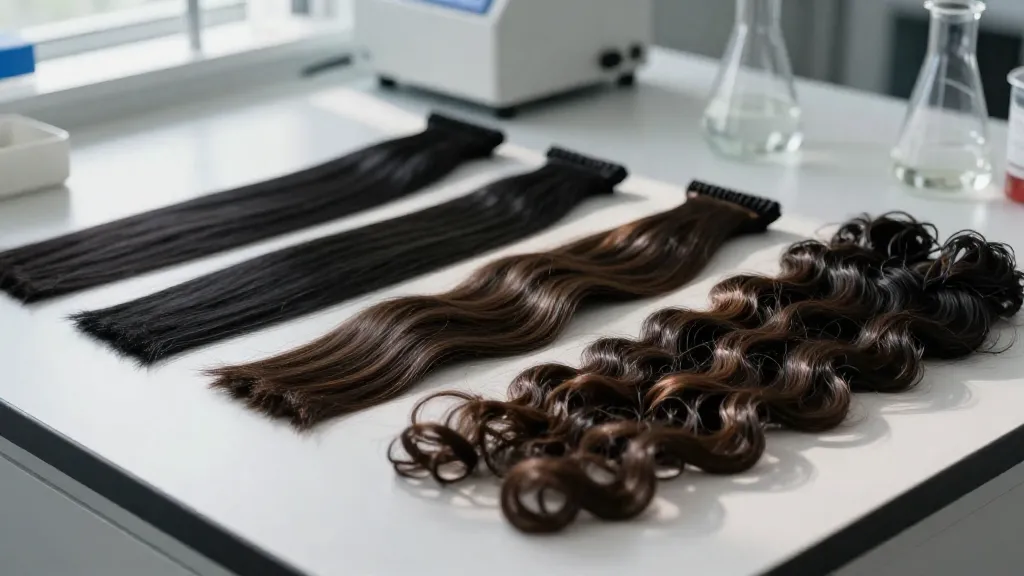
A shocking discovery has researchers and consumers questioning what’s really in the hair extensions sitting on beauty supply store shelves. The same toxic chemicals used to manufacture pipes, kill pests, and create durable floor tiles have been found lurking in synthetic and human hair extensions specifically marketed to Black women, according to a new peer-reviewed study.
The findings, published in the journal Environment & Health, raise serious concerns about the safety of products that millions of women use regularly to style and protect their hair. What makes this discovery even more troubling is that these potentially harmful chemicals appear to be present in both synthetic and natural human hair extensions—meaning consumers can’t simply switch to “natural” options to avoid exposure.
The Hidden Chemical Cocktail in Your Hair
The study reveals a disturbing reality about what consumers are unknowingly putting near their scalp and breathing in daily. Researchers found that hair extensions contain chemicals typically associated with industrial applications rather than personal care products.
These aren’t just trace amounts either. The same compounds used to create rigid PVC pipes, eliminate agricultural pests, and manufacture heavy-duty flooring materials are present in products that women wear for weeks or months at a time. The proximity to the scalp and the extended wear time could potentially increase exposure risks, though researchers note that more studies are needed to fully understand the health implications.
Why Black Women Are Disproportionately Affected
The targeting of these potentially dangerous products toward Black women highlights a concerning pattern in the beauty industry. Hair extensions and protective styling products marketed specifically to Black consumers appear to contain higher levels of these industrial chemicals compared to similar products in the general market.
This disparity raises questions about product safety standards and whether adequate testing is being conducted on items specifically marketed to communities of color. The beauty industry has long been criticized for different safety standards across product lines, and this study adds another layer to those concerns.
What Chemicals Were Found
While the full list of detected chemicals requires further analysis, researchers identified compounds commonly used in:
- Industrial pipe manufacturing
- Agricultural pesticide formulations
- Commercial floor tile production
- Various plastic manufacturing processes
The presence of these chemicals in hair products suggests potential gaps in manufacturing oversight and quality control within the beauty supply chain.
Health Implications Still Being Studied
The long-term health effects of exposure to these chemicals through hair extensions remain unclear, but the findings are concerning enough to warrant immediate attention from both consumers and regulators. Prolonged skin contact with industrial chemicals not intended for cosmetic use could potentially cause irritation, allergic reactions, or other health issues.
What to Watch For:
- Unusual scalp irritation or sensitivity
- Chemical odors from new hair extensions
- Skin reactions around the hairline
- Persistent headaches after installation
The Industry Response Gap
Reports suggest that the hair extension industry has been slow to address these safety concerns, with many manufacturers and retailers remaining silent about chemical testing and safety protocols. Consumer advocacy groups are calling for increased transparency and stricter safety standards for products marketed to Black women.
The lack of industry response has left consumers largely on their own to navigate these safety concerns, despite the widespread use of these products across communities.
Moving Forward: What This Means for Consumers
This study represents a significant moment for consumer awareness in the beauty industry. While researchers continue to investigate the full scope of health risks, the findings serve as a wake-up call about the need for better product safety standards and more transparent labeling.
Observers note that this discovery could spark broader conversations about equity in product safety and whether certain communities are being subjected to higher levels of potentially harmful chemicals in everyday beauty products. The implications extend beyond individual purchasing decisions to questions of corporate responsibility and regulatory oversight.
As more research emerges, consumers are advised to stay informed about product safety and advocate for greater transparency from manufacturers about what chemicals are present in the beauty products they purchase and use regularly.