
Dietitians Say This One Bread Switch Could Help Lower Your Blood Pressure
Sprouted whole-grain bread is emerging as a dietitian-recommended choice for people managing high blood pressure, offering a simple dietary swap that doesn't require overhauling your entire routine.
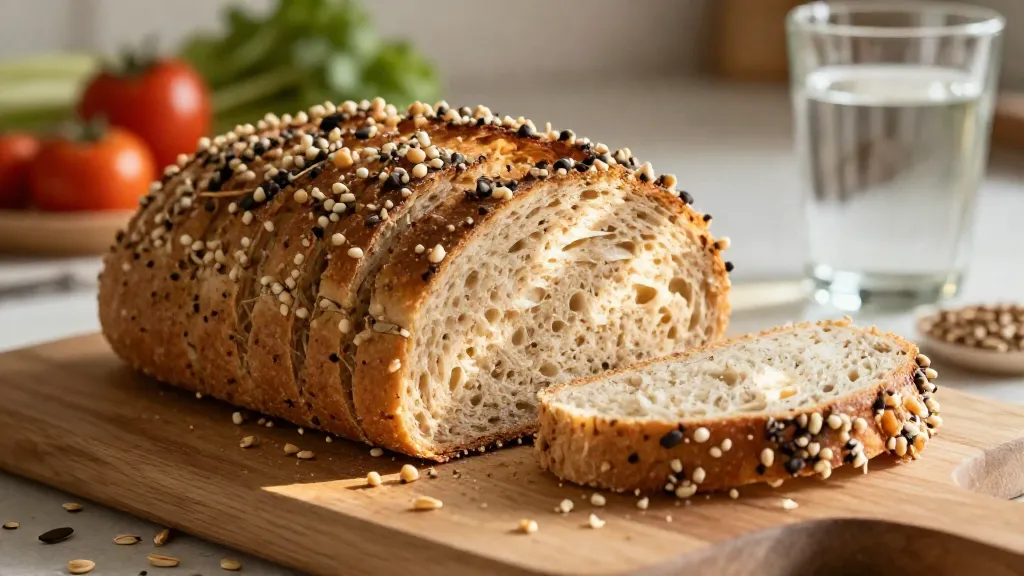
If you’re managing high blood pressure, you might not need to overhaul your entire diet to see meaningful results. According to dietitians, something as simple as swapping your regular bread for sprouted whole-grain bread could be a game-changer for your cardiovascular health. It’s the kind of small, sustainable change that actually fits into real life—no extreme restrictions, no complicated meal prep, just a smarter choice at the grocery store.
Why Bread Matters When You Have High Blood Pressure
High blood pressure affects millions of people worldwide, and while medication plays an important role in managing it, dietary choices matter too. Bread is a staple for most people, showing up in sandwiches, toast, and side dishes several times a week. That’s precisely why choosing the right type of bread can have a ripple effect across your overall nutrition.
The conventional white and wheat breads lining most grocery store shelves aren’t created equal when it comes to heart health. Dietitians are increasingly pointing to one specific option as superior for people concerned about blood pressure: sprouted whole-grain bread.
What Makes Sprouted Whole-Grain Bread Different
Sprouted whole-grain bread starts with whole grains that have been allowed to sprout—a process that activates enzymes and changes the grain’s nutritional composition. This sprouting process isn’t just a marketing gimmick; it fundamentally alters what your body gets from the bread.
According to dietitians, sprouted whole-grain bread offers a superior nutritional profile compared to conventional bread varieties. The sprouting process can increase nutrient bioavailability, meaning your body can actually absorb and use more of the good stuff in the bread.
What to Watch For When Shopping
- Look for “sprouted whole grain” as the first ingredient on the label
- Check the sodium content—lower is better for blood pressure management
- Verify it contains actual whole grains, not just whole grain flour
- Compare fiber content between brands (more fiber is generally better)
The Practical Advantage of This One Switch
What makes this recommendation particularly powerful is its simplicity. You’re not being asked to eliminate bread entirely or adopt a restrictive diet. You’re making one swap at the grocery store. Your sandwich tastes similar. Your toast still works for breakfast. But the nutritional impact compounds over time.
For people managing high blood pressure, every small improvement in dietary quality adds up. Sprouted whole-grain bread fits into existing routines without requiring willpower-draining lifestyle changes, which is why it’s gaining traction among dietitians as a realistic recommendation.
Making the Switch Work for You
The transition to sprouted whole-grain bread is straightforward. Most grocery stores now stock these options in their bread aisle, often near the premium or health-focused section. They typically cost a bit more than conventional bread, but the price difference is modest compared to other health interventions.
If your family is resistant to change, you might start by using sprouted whole-grain bread for your own meals while keeping the old bread around temporarily. Many people find that once they switch, they don’t want to go back—the bread tastes fresher and holds up better to toppings.
The Bigger Picture
While one bread choice won’t single-handedly normalize your blood pressure, it’s part of a larger approach to heart health. Dietitians emphasize that this kind of accessible, evidence-backed change is exactly what makes dietary interventions sustainable. You’re not fighting against your habits; you’re redirecting them toward better options.
If you’re looking for ways to support your cardiovascular health without overhauling your life, this is the kind of practical, grounded advice that actually sticks. And sometimes, the most powerful health changes are the smallest ones.