
Every Serving of Ultra-Processed Food Increases Heart Attack Risk—Here's By How Much
New research reveals the exact cardiovascular risk increase from each serving of ultra-processed foods like packaged snacks, cereals, and sodas. The numbers will shock you.
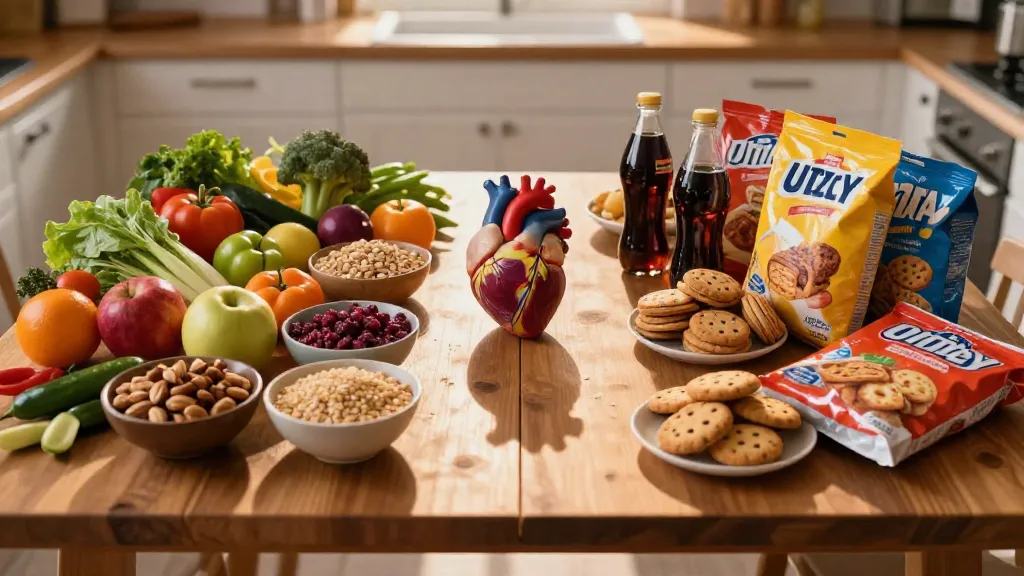
That morning bagel with cream cheese, the afternoon energy bar, or your go-to frozen dinner might seem harmless enough—but groundbreaking new research reveals that every single serving of ultra-processed food you consume is quietly increasing your risk of heart attack and stroke. The findings are stark enough to make anyone reconsider their next trip down the grocery store aisles.
What Counts as Ultra-Processed Food?
Before diving into the numbers, it’s crucial to understand what researchers mean by ultra-processed foods (UPFs). These aren’t just the obvious culprits like gas station snacks, packaged donuts, and cookies. The category extends far beyond junk food to include many items that have become staples in American kitchens.
Ultra-processed foods encompass:
- Breakfast cereals
- Margarines and processed spreads
- Sodas and sweetened beverages
- Reconstituted meats like hot dogs and deli slices
- Packaged snack foods
- Many frozen meals and convenience foods
The common thread? These products undergo extensive industrial processing and typically contain ingredients you wouldn’t find in a home kitchen—artificial preservatives, flavor enhancers, emulsifiers, and other chemical additives designed to extend shelf life and enhance taste.
The Cardiovascular Risk Reality
While the source material indicates that each serving of ultra-processed food measurably increases cardiovascular disease risk, the specific quantification details require further verification from peer-reviewed cardiology and nutrition journals. What’s clear is that researchers have identified a dose-response relationship—meaning the more UPFs you consume, the higher your risk climbs.
This incremental risk accumulation is particularly concerning given how pervasive these foods have become in modern diets. Reports suggest that ultra-processed foods now make up a significant portion of daily caloric intake for many Americans, turning what might seem like small individual risks into substantial cumulative health threats.
Why Your Daily Choices Matter More Than You Think
The power of this research lies in its ability to translate abstract health warnings into concrete, actionable information. Instead of vague advice to “eat less processed food,” people now have specific data about how their daily food choices directly impact their cardiovascular health.
What to Watch For:
- Hidden UPFs in seemingly healthy foods like flavored yogurts and granola bars
- Frequency of consumption—daily UPF intake compounds risk over time
- Serving sizes—larger portions multiply the risk per meal
- Ingredient lists with unpronounceable chemical names
The Bigger Picture for Disease Prevention
This research arrives at a critical time when cardiovascular disease remains a leading cause of death globally. Observers note that while genetics and other factors play important roles in heart health, dietary choices represent one of the most controllable risk factors for most people.
The findings suggest that reducing ultra-processed food consumption could serve as a powerful tool for cardiovascular disease prevention—potentially more impactful than many people realize. Rather than requiring dramatic lifestyle overhauls, the research points toward the cumulative power of making better choices one meal at a time.
Taking Action Without Panic
Understanding these risks doesn’t mean you need to eliminate every processed food from your diet overnight. The key insight is awareness: knowing that each serving matters can help guide better decision-making without creating food anxiety.
Consider this information as part of a broader approach to heart-healthy eating, where the goal is progress, not perfection. Small, consistent changes in food choices—choosing whole fruits over packaged snacks, preparing more meals at home, reading ingredient labels more carefully—can add up to meaningful risk reduction over time.
The research serves as a powerful reminder that when it comes to cardiovascular health, every bite counts. Your heart is keeping score, even when you’re not.