
Brain-Eating Amoeba Season Is Here: What You Need to Know to Stay Safe
As summer heat drives water temperatures up, cases of the rare but nearly always fatal Naegleria fowleri infection spike. Learn how to protect yourself and your family during water season.
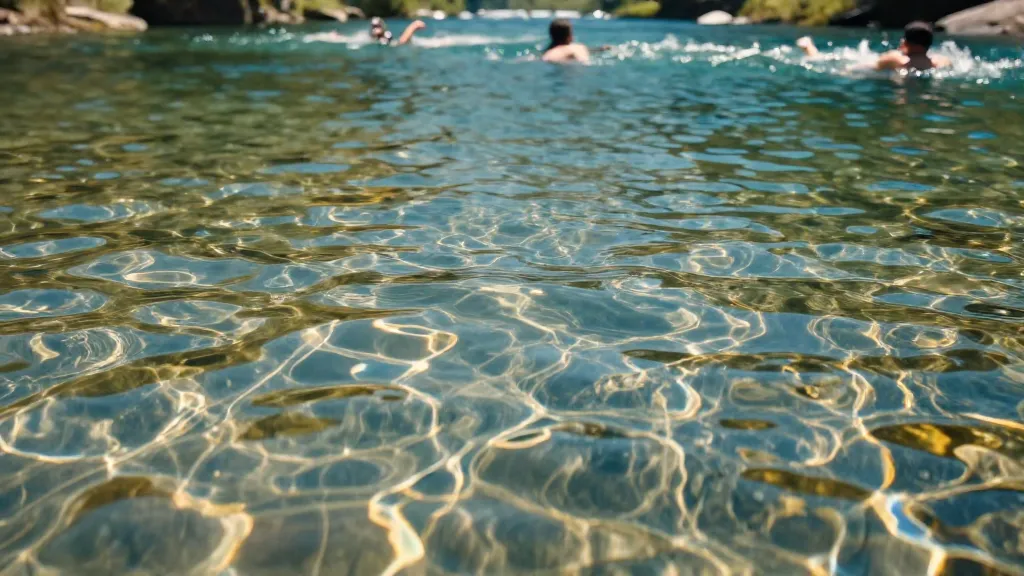
It sounds like a scene from a horror movie: a microscopic organism that enters your brain and causes a nearly always fatal infection. But here’s the thing—while Naegleria fowleri, commonly known as the brain-eating amoeba, is terrifying in theory, it’s extraordinarily rare in practice. Yet as summer heat cranks up and water temperatures climb, cases do spike, and knowing how to protect yourself isn’t paranoia—it’s smart seasonal awareness.
What Is Naegleria fowleri?
Naegleria fowleri is a single-celled amoeba found in warm freshwater environments around the world. It’s not lurking in every lake or river, but it thrives in specific conditions: warm water, typically in lakes, hot springs, and poorly chlorinated swimming areas. The organism itself isn’t aggressive by nature—it only becomes dangerous when it enters the human body in a very specific way.
How Does Infection Happen?
The critical detail: Naegleria fowleri enters through the nose, not the mouth or skin. This means infection occurs during activities where water is forced up into the nasal passages—think jumping into lakes, diving, or rapid water entry during water sports. Simply swimming or floating in contaminated water carries virtually no risk.
Once the amoeba enters the nasal cavity, it can travel to the brain, causing a severe infection called primary amebic meningoencephalitis (PAM). This is where the danger lies.
Why Does It Spike in Summer?
As outdoor water temperatures warm during summer months, conditions become more favorable for Naegleria fowleri to thrive. This is why cases cluster during peak water season—when more people are swimming, diving, and spending time in lakes, rivers, and other warm freshwater sources. The combination of ideal water temperatures and increased human water activity creates a perfect storm for rare but serious infections.
The Reality: Rare but Severe
Let’s be clear about the statistics: cases are extremely rare. Most people who swim in warm freshwater never encounter this organism, and even fewer develop an infection. However, when infection does occur, it’s almost always fatal. This stark contrast—extreme rarity paired with near-certain severity—is why awareness matters.
What to Watch For
If you or someone in your family experiences symptoms after freshwater water activities, seek medical attention immediately:
- High fever and severe headache (usually within 1–9 days of water exposure)
- Nausea and vomiting
- Altered mental state or confusion
- Stiff neck
- Seizures
- Hallucinations
Early medical intervention is critical, though outcomes remain poor even with treatment.
How to Protect Yourself
The good news: prevention is straightforward and doesn’t require avoiding water altogether.
Use nose clips or hold your nose when jumping, diving, or engaging in activities where water might forcefully enter your nasal passages. This simple barrier is highly effective.
Avoid jumping or diving in warm freshwater lakes and hot springs, particularly in areas where water temperature is consistently warm.
Be cautious in poorly maintained or stagnant warm water—public pools with proper chlorination are safe, as chlorine kills the amoeba.
Rinse nasal passages with saline after water activities if you’re concerned about exposure (though this is more precautionary than essential for most swimmers).
Stay informed about local water conditions. Some regions post warnings when Naegleria fowleri is detected; check local health department alerts before visiting unfamiliar water sources.
The Bottom Line
Naegleria fowleri deserves respect, not panic. The amoeba is real, infections are catastrophic, but cases remain vanishingly rare. By understanding how infection occurs and taking simple precautions—mainly protecting your nasal passages during water activities—you can enjoy summer water activities with confidence. Millions of people swim safely in warm freshwater every year. With awareness and basic prevention, you can be among them.