
Newborn Dies from Listeria After Mother Drinks Raw Milk During Pregnancy
New Mexico health officials confirm a tragic newborn death from listeria infection linked to the mother consuming raw milk during pregnancy. A critical warning for expectant parents about food safety risks.
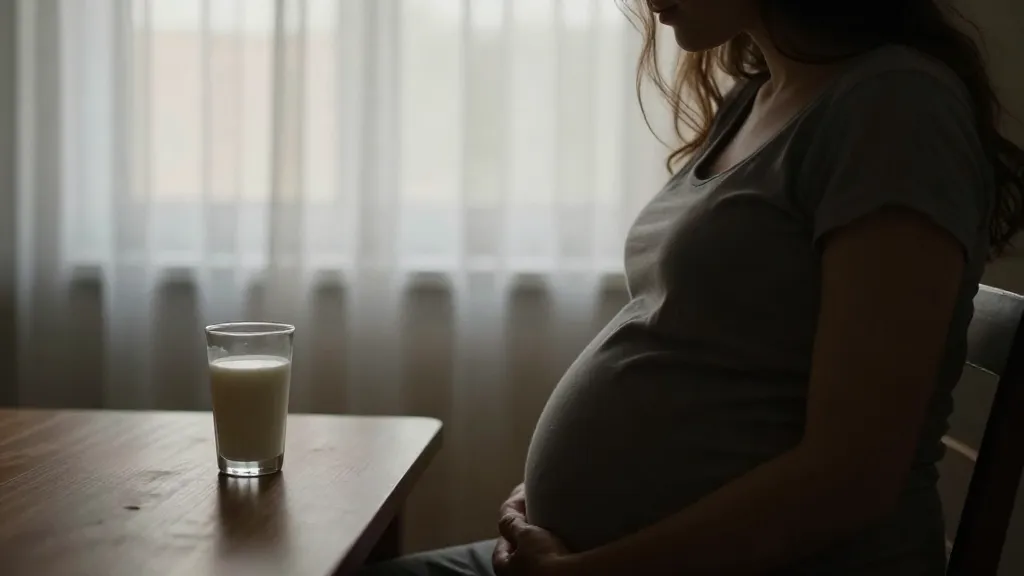
A tragic case in New Mexico has sent shockwaves through the public health community: a newborn baby died from a listeria infection that health officials believe was directly linked to the mother’s consumption of raw milk during pregnancy. This heartbreaking incident serves as a stark reminder of why food safety guidelines exist—and why they matter most during the vulnerable months of pregnancy.
The case, confirmed by New Mexico health officials, represents every expectant parent’s worst nightmare: a preventable infection that crossed from mother to child with devastating consequences. While the specific details remain under investigation, the connection to raw milk consumption has prompted urgent warnings from public health experts nationwide.
The Hidden Dangers of Listeria
Listeria monocytogenes might sound like just another bacteria, but for pregnant women and their unborn children, it represents one of the most serious foodborne threats. This pathogen has a particularly sinister ability to cross the placental barrier, directly infecting the developing fetus.
Unlike many other foodborne illnesses that primarily affect the person who consumed contaminated food, listeria during pregnancy creates a dual victim scenario. The mother might experience relatively mild symptoms—if any at all—while the infection wreaks havoc on her unborn child.
The bacteria can cause severe complications including premature labor, miscarriage, stillbirth, and in cases like the one in New Mexico, death shortly after birth. Even when newborns survive listeria infections, they may face long-term health consequences including developmental delays and neurological problems.
Why Raw Milk Poses Particular Risks
Raw milk—unpasteurized dairy products—has gained popularity in recent years among health-conscious consumers who believe it offers superior nutrition and fewer processing chemicals. However, this trend has public health officials deeply concerned, particularly when it comes to pregnant women.
The pasteurization process, which involves heating milk to specific temperatures for set periods, was developed specifically to eliminate dangerous pathogens like listeria, salmonella, and E. coli. Without this crucial safety step, raw milk becomes a potential breeding ground for harmful bacteria.
What makes raw milk especially dangerous:
- No heat treatment to kill harmful bacteria
- Potential contamination from farm environments
- Bacteria can multiply rapidly if not properly refrigerated
- No way for consumers to detect contamination by sight, smell, or taste
Reports from health departments across the country consistently show higher rates of foodborne illness linked to raw dairy products compared to pasteurized alternatives. The Centers for Disease Control and Prevention has documented numerous outbreaks connected to raw milk consumption, with pregnant women and their babies among the most vulnerable victims.
Critical Food Safety Guidelines for Pregnancy
The New Mexico tragedy underscores the importance of following established food safety guidelines during pregnancy. Health experts emphasize that pregnancy is not the time to experiment with potentially risky foods, no matter how natural or appealing they might seem.
Pregnant women face unique challenges when it comes to foodborne illness. Their immune systems are naturally suppressed to prevent rejection of the developing fetus, making them more susceptible to infections. Additionally, certain pathogens like listeria have evolved specific mechanisms to exploit this vulnerability.
Beyond Raw Milk: Other Foods to Avoid
While raw milk has captured attention due to this recent case, it’s not the only food that poses listeria risks during pregnancy. Health officials recommend avoiding several other potentially dangerous items:
Soft cheeses made from unpasteurized milk, deli meats unless heated to steaming, raw or undercooked seafood, and certain prepared salads from delis all carry elevated risks. The key principle remains the same: if there’s any doubt about a food’s safety, it’s better to avoid it entirely during pregnancy.
Moving Forward: Prevention and Awareness
The death of this newborn in New Mexico represents more than just a statistic—it’s a preventable tragedy that highlights the real-world consequences of food safety decisions during pregnancy. While the family grieves an unimaginable loss, their experience can serve as a powerful warning to other expectant parents.
Public health officials stress that this case should not be viewed as an isolated incident but rather as a wake-up call about the importance of following established safety guidelines. The popularity of raw milk and other “natural” food trends means more pregnant women may be unknowingly exposing themselves and their babies to serious risks.
Education remains the most powerful tool in preventing similar tragedies. Healthcare providers, family members, and communities all play crucial roles in ensuring pregnant women have accurate information about food safety. In an era of conflicting nutritional advice and wellness trends, the basic principles of food safety during pregnancy remain non-negotiable.
The loss of this newborn serves as a somber reminder that some risks simply aren’t worth taking—especially when the stakes include the life of your child.