
Washington Resident Catches Deadly Hantavirus from Home Mice - CDC Issues New Safety Guidelines
A Chelan County resident contracted Sin Nombre hantavirus from mice in their own home, prompting the CDC to tighten monitoring guidelines for high-risk contacts. Here's what every homeowner needs to know about protecting their family from this deadly virus.
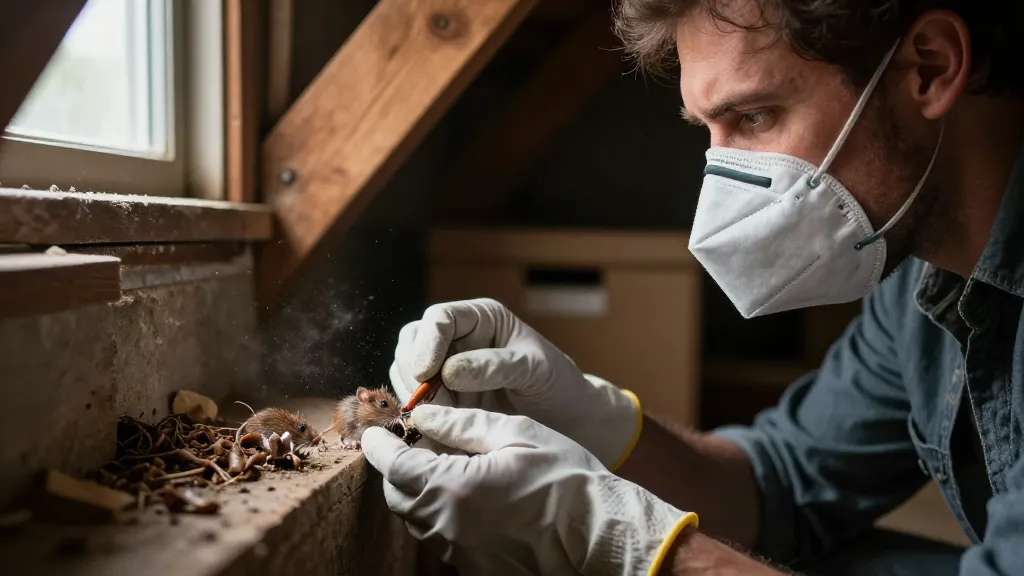
A Washington state resident’s routine day at home turned into a life-threatening medical emergency when they contracted a deadly virus from mice living in their own house. The confirmed case of Sin Nombre hantavirus in Chelan County has prompted health officials to issue urgent new safety guidelines, raising critical questions about how safe our homes really are from this potentially fatal disease.
What Happened in Washington
The Chelan-Douglas Health District confirmed that a Chelan County resident contracted Sin Nombre hantavirus directly from mouse exposure in their home. This case represents one of the occasional infections reported in the region, but it serves as a stark reminder that deadly viruses can lurk in the most familiar places.
Sin Nombre hantavirus is no ordinary illness. This strain can cause severe respiratory complications and has a significant fatality rate, making any confirmed case a serious public health concern. The fact that transmission occurred in a residential setting highlights how everyday household pest problems can escalate into medical emergencies.
CDC Responds with Stricter Guidelines
In response to growing concerns about hantavirus transmission, the CDC has tightened its monitoring guidance for high-risk contacts. The new protocols are notably restrictive and underscore the severity of potential exposure.
New High-Risk Contact Requirements
People classified as “high-risk” for hantavirus exposure must now follow strict isolation measures:
- Stay home and limit contact with others
- Avoid being in buildings other than their residence
- Prohibit visitors to their homes
- Coordinate any essential travel with state health officials
These measures represent a significant escalation in how health authorities view hantavirus risk, particularly for those who may have been exposed to infected rodents or their droppings.
Understanding Hantavirus Transmission
Hantavirus spreads primarily through inhalation of contaminated particles from infected rodent droppings, urine, or saliva. When these materials dry out, they can become airborne and easily inhaled during routine activities like cleaning, moving stored items, or even just walking through areas where infected mice have been active.
The virus doesn’t spread from person to person in most cases, which means the primary risk comes from direct contact with contaminated environments. This makes homes with active rodent infestations particularly dangerous, especially in areas where hantavirus-carrying species are common.
What Homeowners Need to Watch For
Early detection of both rodent activity and potential symptoms can be life-saving. Observers note that many homeowners underestimate the health risks associated with common house mice.
Signs of Rodent Activity:
- Droppings in cabinets, drawers, or storage areas
- Gnaw marks on food packaging or furniture
- Scratching sounds in walls or ceilings
- Nests made from shredded materials
- Strong ammonia-like odors in enclosed spaces
Early Hantavirus Symptoms:
- Fever and chills
- Muscle aches, particularly in large muscle groups
- Headaches and dizziness
- Nausea and vomiting
- Difficulty breathing (in advanced cases)
Safe Cleanup and Prevention
Reports suggest that many hantavirus infections occur during cleanup activities when people inadvertently disturb contaminated materials. Proper safety protocols are essential for anyone dealing with potential rodent contamination.
Professional vs. DIY Cleanup
While minor rodent evidence might seem manageable, health experts increasingly recommend professional remediation for significant infestations. The Washington case demonstrates that even household mouse exposure can result in serious illness, making prevention and proper cleanup critical.
For minor cleanup efforts, health authorities recommend wearing protective equipment, thoroughly wetting contaminated areas before cleaning, and ensuring proper ventilation. However, the CDC’s stricter guidelines suggest that authorities are taking a more cautious approach to any potential exposure.
Regional Risk Factors
Certain geographic areas carry higher hantavirus risks due to local rodent populations and environmental factors. While specific regional data varies, western states have historically reported more cases, making the Washington incident part of a broader pattern that homeowners should understand.
The seasonal nature of rodent activity also plays a role, with spring cleaning and increased outdoor activity potentially leading to more human-rodent encounters. This timing makes current awareness efforts particularly relevant as many people begin seasonal home maintenance projects.
Moving Forward: Protection Strategies
The Chelan County case serves as a crucial reminder that home safety extends beyond traditional security concerns. Effective rodent control and proper sanitation practices have become essential elements of family health protection.
Regular home inspections, prompt attention to signs of rodent activity, and professional consultation when needed can significantly reduce exposure risks. The CDC’s updated guidelines reflect a growing understanding that hantavirus prevention requires proactive measures rather than reactive responses.
As health officials continue monitoring the situation and refining safety protocols, homeowners across the country would be wise to evaluate their own properties for potential risks. The Washington resident’s experience demonstrates that when it comes to hantavirus, prevention truly is the best medicine.