
Japanese Scientists Discover Frog Gut Bacteria That Destroyed Cancer Tumors in Single-Dose Study
Researchers in Japan identified a natural bacteria from frog guts that eliminated tumors in early laboratory testing, sparking hope in the fight against cancer. Scientists say the single-dose treatment showed remarkable anti-cancer properties in their study.
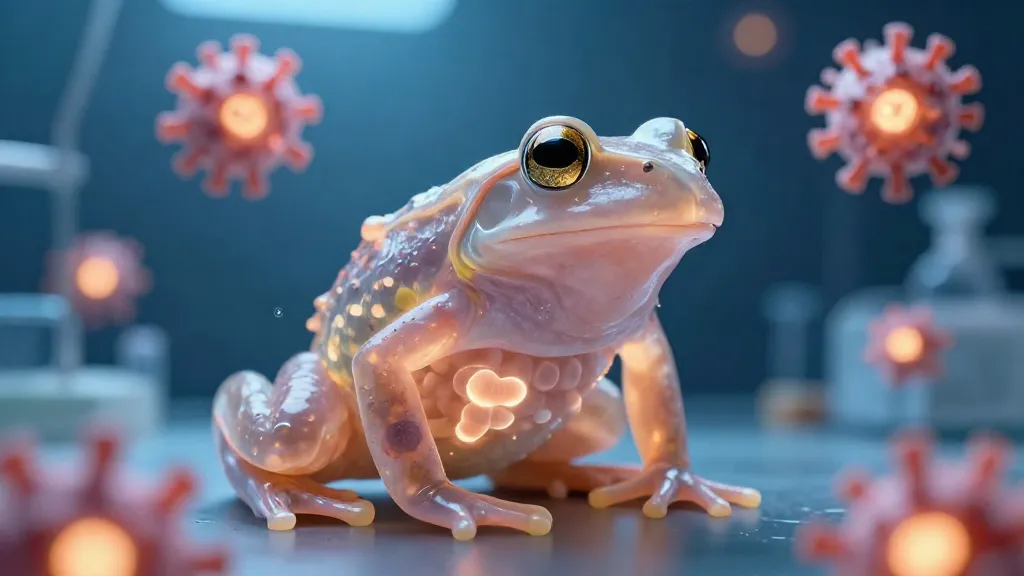
In the race to find new weapons against cancer, researchers sometimes need to look beyond the laboratory and into nature itself. Japanese scientists have done exactly that—and their discovery is turning heads across the medical world. They’ve identified a naturally occurring bacteria living in frog guts that destroyed cancer tumors in early laboratory testing, and remarkably, it did so in a single dose. It’s the kind of breakthrough that feels almost too good to be true, which is precisely why the scientific community is watching closely.
A Natural Discovery With Unexpected Power
The bacteria, found in the digestive systems of frogs, has shown remarkable anti-cancer properties during initial research. Rather than relying on synthetic compounds or complex pharmaceutical engineering, Japanese scientists tapped into nature’s own arsenal—and what they found suggests that sometimes the most powerful solutions are hiding in plain sight.
The single-dose treatment approach is particularly striking. Most cancer therapies require multiple rounds of treatment, often with cumulative side effects. The idea that one application of this naturally derived bacteria could eliminate tumors in laboratory conditions has captured the imagination of patients, caregivers, and health researchers alike.
Why This Matters Right Now
This discovery sits at the intersection of several powerful trends in modern medicine: the growing interest in nature-based treatments, the push for more targeted and less invasive therapies, and the ongoing global effort to expand our toolkit against cancer.
What to watch for:
- Verification of the original research publication from Japanese institutions
- Details about the clinical stage of development
- Whether findings can be replicated in larger studies
- Timeline for potential human trials
- Any peer review or independent confirmation
The Early-Stage Reality
It’s important to note that this research represents early-stage laboratory findings. While the results are genuinely exciting, there’s a significant distance between a successful single-dose treatment in a controlled lab setting and a therapy ready for human patients. The scientific process demands careful verification, replication, and extensive safety testing before any treatment can move to clinical trials.
Observers emphasize that promising initial results don’t automatically translate to real-world solutions. However, they also acknowledge that discoveries like this one—where nature itself provides the biological blueprint—can accelerate the development process by giving researchers a proven starting point.
What Comes Next
The coming months and years will be crucial for this research. The scientific community will be looking for peer-reviewed publications detailing the methodology and results, independent replication of the findings, and clarity on what stage of development this treatment has reached.
If the bacteria’s anti-cancer properties hold up under scrutiny, it could represent a genuinely novel approach to tumor treatment. And if it does advance to human trials, it would represent exactly the kind of nature-inspired innovation that could reshape cancer care.
For now, this discovery reminds us that breakthroughs can come from the most unexpected places—even from the humble frog.