
Australian Scientists Discover Heart Cells Can Actually Regenerate After Heart Attack
Groundbreaking Australian research overturns decades of medical belief by proving heart cells can regenerate after heart attacks. This discovery could revolutionize treatment for millions of heart disease patients worldwide.
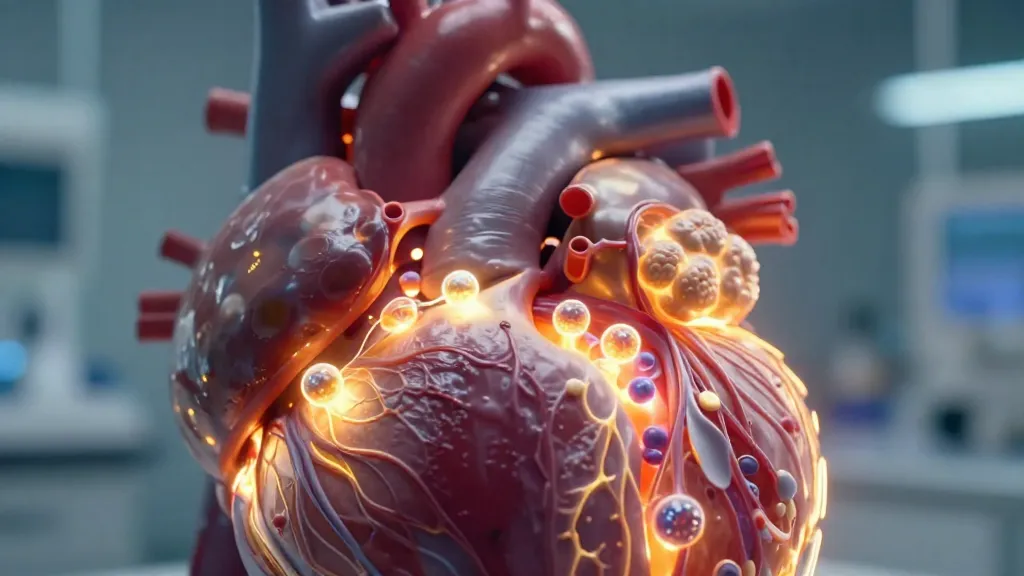
For decades, medical textbooks have taught us one devastating truth: when heart cells die during a heart attack, they’re gone forever. The heart, unlike other organs, was believed to have virtually no ability to repair itself. But groundbreaking research from Australia is now challenging this fundamental assumption, revealing that our hearts might possess a remarkable capacity for self-healing that we never knew existed.
The Discovery That’s Rewriting Medical Textbooks
Australian researchers have made a discovery that’s sending shockwaves through the cardiology community. Their study demonstrates that heart cells can actually regenerate following a heart attack—a finding that directly contradicts decades of established medical wisdom.
The research comes at a crucial time when heart disease remains one of the world’s leading killers, affecting millions globally. For countless heart attack survivors who’ve been told their damage is permanent, this discovery offers something that seemed impossible just months ago: genuine hope for recovery.
What Makes This Research So Revolutionary
The significance of this finding cannot be overstated. Medical professionals have long operated under the belief that cardiac tissue, once damaged, could only form scar tissue—never new, functioning heart muscle. This assumption has shaped treatment approaches, recovery expectations, and the psychological outlook for millions of patients worldwide.
Key Implications of the Discovery
Reports suggest this research could fundamentally change how we approach heart attack treatment and recovery. The study’s findings indicate that:
- Heart cells possess previously unknown regenerative capabilities
- The heart’s healing potential may have been vastly underestimated
- Current treatment protocols might need significant revision
- Recovery expectations for heart attack patients could be dramatically improved
Expert Validation and Medical Community Response
The research has gained significant credibility within the medical community, with leading cardiologists recognizing its potential impact. India’s prominent cardiac specialists have reportedly called the findings “a big step” forward in cardiovascular medicine, lending weight to the Australian team’s conclusions.
This endorsement from international experts suggests the research methodology and findings meet rigorous scientific standards, making the discovery all the more compelling for both medical professionals and patients alike.
What This Means for Heart Attack Survivors
For the millions of people who have survived heart attacks, this discovery represents a paradigm shift in understanding their condition. Rather than viewing their hearts as permanently damaged organs, there’s now scientific evidence suggesting these vital muscles may have an innate ability to heal themselves.
What to Watch For:
- New treatment protocols incorporating regenerative approaches
- Clinical trials testing therapies that enhance natural heart cell regeneration
- Updated recovery guidelines for heart attack patients
- Potential changes in long-term prognosis discussions
The Road Ahead: From Laboratory to Treatment
While this discovery is undoubtedly exciting, researchers and medical professionals emphasize that translating these findings into practical treatments will take time. The journey from laboratory discovery to bedside application typically involves years of additional research, clinical trials, and regulatory approvals.
However, the foundation has been laid for what could become one of the most significant advances in cardiovascular medicine in decades. The research opens new avenues for developing treatments that could harness and enhance the heart’s natural regenerative abilities.
A New Chapter in Heart Health
This Australian study marks a pivotal moment in our understanding of cardiac health and recovery. By proving that heart cells can regenerate after a heart attack, researchers have not only challenged long-held medical beliefs but also opened the door to revolutionary new approaches to treating heart disease.
For heart attack survivors and the medical professionals who care for them, this discovery offers something precious: hope backed by science. While the full implications of this research will unfold over time, one thing is clear—our understanding of the heart’s remarkable resilience has been forever changed.