
Brain Immune Cells Use Shocking Suicide Strategy to Stop Deadly Parasites
Scientists discover that brain immune cells employ an extreme defense mechanism against Toxoplasma gondii parasites: they self-destruct to prevent the dangerous microbes from spreading. This counterintuitive biological strategy reveals new insights into how our brains protect themselves.
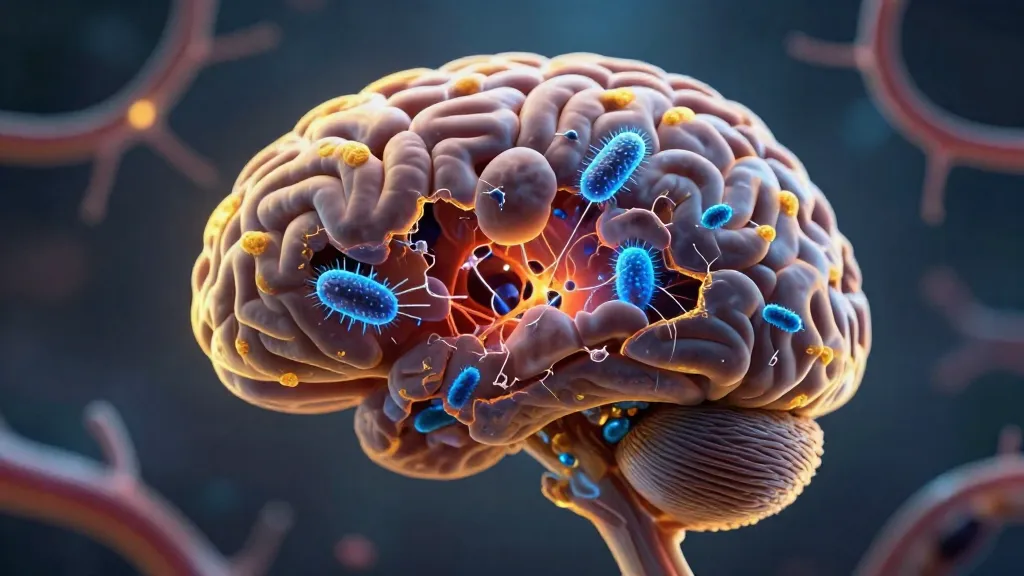
Your brain harbors a microscopic war zone where immune cells wage desperate battles against invading parasites. Scientists have just uncovered one of the most dramatic defense strategies in this hidden conflict: brain immune cells that literally sacrifice themselves to stop dangerous parasites from spreading throughout your nervous system.
The Ultimate Cellular Sacrifice
When brain immune cells encounter the parasite Toxoplasma gondii, they sometimes resort to the most extreme measure possible: suicide. This counterintuitive defense mechanism involves infected immune cells deliberately destroying themselves to eliminate the dangerous microbes they carry, preventing the parasites from establishing a foothold in brain tissue.
The discovery challenges our understanding of how the brain’s immune system operates. While we typically think of immune cells as fighters that attack and destroy threats, these brain defenders take a different approach entirely—they become kamikaze warriors, sacrificing their own existence for the greater good of the organ they protect.
Understanding the Toxoplasma Threat
Toxoplasma gondii represents a significant challenge for brain health. This common parasite can cause serious infections, particularly in vulnerable populations. The microbe has evolved sophisticated strategies to invade and persist in brain tissue, making it a formidable opponent for the nervous system’s defenses.
What makes this parasite particularly concerning is its ability to manipulate host behavior and establish long-term infections in brain tissue. Traditional immune responses often prove insufficient against such a cunning invader, which may explain why some brain immune cells have evolved this extreme countermeasure.
The Mechanics of Cellular Self-Destruction
The self-destruction process appears to be a calculated biological decision rather than random cell death. When brain immune cells detect that they’ve been compromised by Toxoplasma gondii, they can trigger their own demise to prevent the parasite from using them as a vehicle for further spread.
This mechanism represents a fascinating example of biological warfare playing out at the cellular level. The infected immune cells essentially become biological suicide bombers, eliminating both themselves and their parasitic cargo before the infection can spread to neighboring brain tissue.
Key Features of This Defense Strategy:
- Infected immune cells detect parasitic compromise
- Cells trigger their own destruction mechanisms
- Parasites are eliminated along with their cellular hosts
- Spread to surrounding brain tissue is prevented
Implications for Brain Health Research
This discovery opens new avenues for understanding how the brain protects itself from parasitic infections. The research suggests that our nervous system has evolved remarkably sophisticated defense mechanisms that operate through cellular sacrifice rather than traditional immune attacks.
The findings could influence how scientists approach treatments for parasitic brain infections. Rather than focusing solely on boosting immune cell activity, researchers might explore ways to enhance or trigger these self-destruction pathways when appropriate.
A New Perspective on Immune Defense
The revelation that brain immune cells employ suicide tactics represents a paradigm shift in our understanding of neurological immunity. It demonstrates that the brain’s defense systems are far more complex and varied than previously realized, utilizing strategies that might seem counterproductive but prove highly effective in practice.
This research highlights the remarkable lengths to which our bodies will go to protect the brain from harm. Even at the cellular level, individual immune cells are willing to make the ultimate sacrifice to preserve the integrity of our most vital organ.
The study of these cellular suicide strategies may eventually lead to new therapeutic approaches for combating not just Toxoplasma gondii, but other parasitic and infectious threats to brain health. Understanding how and when immune cells choose self-destruction over survival could unlock powerful new tools in the fight against neurological infections.