
Expert Birdwatchers Have Different Brain Structure That May Boost Cognition, New Research Shows
New research reveals that expert birdwatching may physically alter brain structure and function, potentially enhancing cognitive abilities even as people age. This accessible outdoor hobby could offer measurable neurological benefits without medication or high costs.
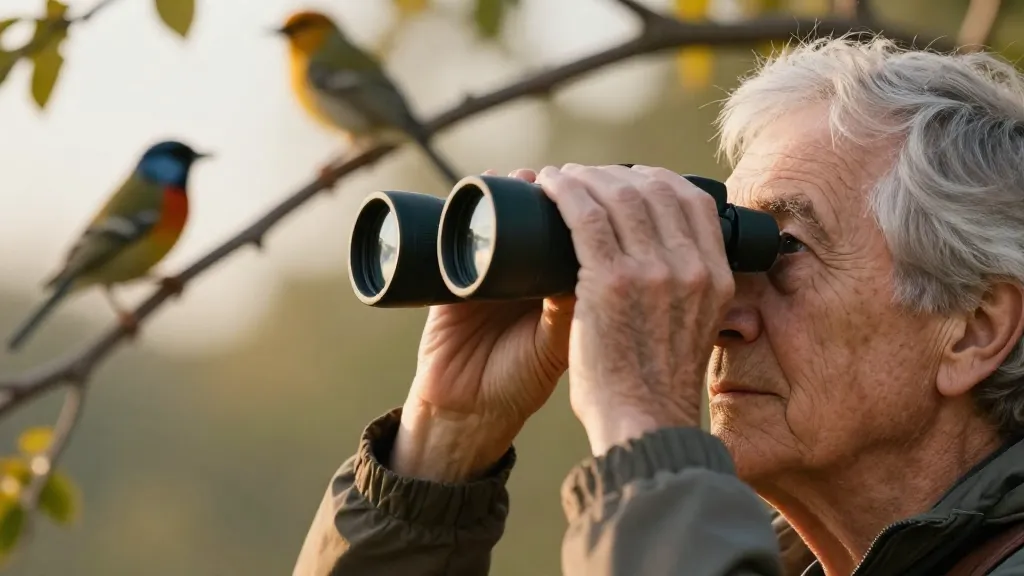
The next time someone calls you a “birdbrain,” you might want to take it as a compliment. Emerging research suggests that expert birdwatchers may actually possess altered brain structures that could enhance their cognitive abilities, even as they age. What started as a peaceful outdoor hobby might be quietly rewiring the brain in remarkable ways.
The Science Behind the Birdbrain Advantage
Recent research has uncovered fascinating connections between expert-level birdwatching and measurable changes in brain structure and function. While the specific details of the study methodology remain to be fully explored, the implications are striking: spending years honing the ability to identify, track, and observe birds appears to leave a lasting neurological imprint.
The key word here is “expert.” This isn’t about casual weekend nature walks or occasional backyard bird feeding. The research suggests that achieving true expertise in birdwatching—the kind that comes from dedicated practice and deep knowledge—may be what triggers these beneficial brain changes.
What Makes Expert Birdwatching Different
Expert birdwatching demands a unique combination of cognitive skills that few other hobbies can match. Practitioners must rapidly process visual information, distinguish subtle differences in color patterns and shapes, memorize complex classification systems, and make split-second identifications based on fleeting glimpses.
Key cognitive demands include:
- Rapid visual pattern recognition
- Detailed memory recall of species characteristics
- Spatial awareness and tracking moving targets
- Integration of multiple sensory inputs (sight, sound, movement)
- Quick decision-making under time pressure
These mental gymnastics, performed repeatedly over years of practice, may be reshaping neural pathways in ways that benefit overall cognitive function.
The Aging Brain Connection
Perhaps most intriguingly, the research suggests these brain changes may help enhance cognition as people age. This finding could be particularly significant given growing concerns about cognitive decline and the search for non-pharmaceutical interventions that support brain health throughout life.
The idea that a hobby accessible to people of all ages could offer measurable neurological protection is compelling. Unlike expensive treatments or complex medical interventions, birdwatching requires nothing more than curiosity, patience, and time spent outdoors.
Beyond the Brain: The Complete Package
While the cognitive benefits grab headlines, expert birdwatching offers additional advantages that may contribute to overall well-being. The hobby naturally encourages regular outdoor activity, promotes mindfulness and focused attention, and often involves walking or hiking to different observation locations.
The social aspects shouldn’t be overlooked either. Many expert birdwatchers participate in citizen science projects, join local birding groups, or contribute to conservation efforts—activities that provide social connection and sense of purpose.
What This Means for the Rest of Us
The research raises intriguing questions about other hobbies that might offer similar cognitive benefits. Activities requiring sustained attention, pattern recognition, and expertise development could potentially reshape brain structure in beneficial ways.
However, observers note that achieving the level of expertise necessary to trigger these changes likely requires significant commitment. Casual interest may not be enough—the brain benefits appear linked to deep, sustained engagement with the practice.
For those considering taking up birdwatching, the potential cognitive advantages add another compelling reason to grab a pair of binoculars and head outdoors. While more research is needed to fully understand these brain changes, the combination of mental stimulation, physical activity, and nature connection makes birdwatching an appealing option for anyone interested in supporting their long-term cognitive health.
The phrase “use it or lose it” has never been more relevant—and apparently, using your brain to identify a rare warbler might be one of the most effective ways to keep it sharp.