
Hidden Body Fat Patterns Could Be Shrinking Your Brain, New Study Reveals
Groundbreaking research shows that where you carry body fat may matter more than how much you weigh when it comes to brain health. Specific fat distribution patterns are linked to measurable brain shrinkage, independent of total body weight.
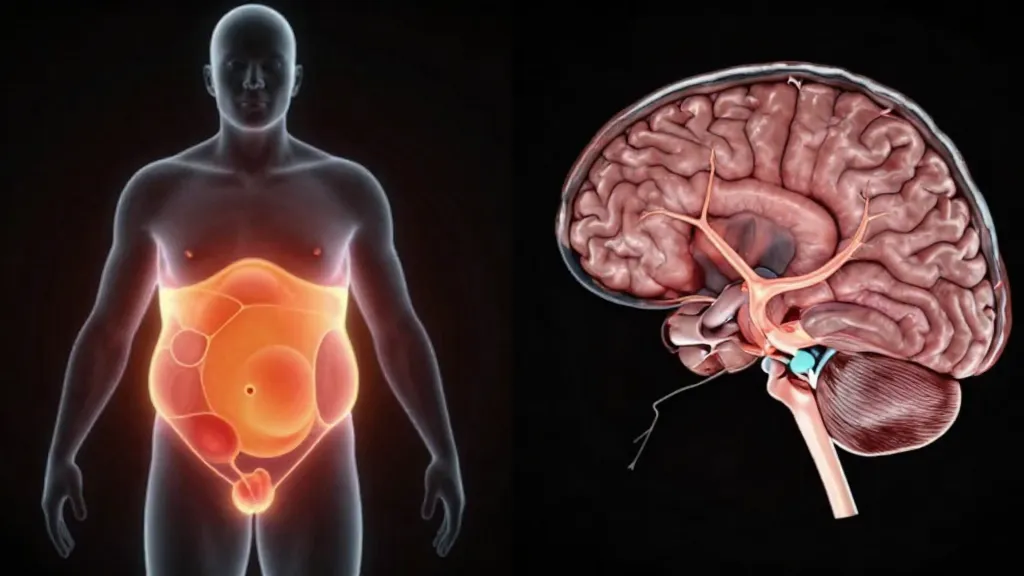
Your bathroom scale might be telling you one story, but your body fat distribution could be writing a completely different chapter for your brain health. Groundbreaking research suggests that where you store excess fat may have more profound implications for your cognitive future than the number staring back at you from the scale.
The Hidden Connection Between Fat Location and Brain Size
While scientists have long understood that excess body weight can impact overall health, this emerging research reveals a more nuanced relationship between body composition and neurological well-being. The study findings suggest that specific patterns of fat distribution can influence brain structure in ways that go beyond what traditional weight measurements might indicate.
Reports suggest that individuals who appear to maintain a “normal” weight according to standard metrics could still face brain-related consequences if their body fat is distributed in particular patterns. This discovery challenges conventional thinking about weight management and brain health, shifting focus from total body weight to the more complex question of fat location.
What Makes Fat Distribution So Critical
The relationship between body fat patterns and brain health appears to operate independently of overall weight status. This means that two people with identical weights and heights could face vastly different neurological outcomes based solely on how their body fat is distributed.
Key Areas of Concern
Research indicates that certain fat distribution patterns may be particularly problematic for brain health:
- Visceral fat accumulation around internal organs
- Fat deposits in specific body regions that correlate with brain changes
- Hidden fat patterns not visible through standard weight assessments
- Metabolic changes triggered by fat location rather than quantity
The Brain Shrinkage Connection
The study reveals measurable changes in brain structure associated with specific body fat patterns. These neurological effects appear to persist over time, suggesting that the relationship between fat distribution and brain health may have lasting implications for cognitive function.
Observers note that the brain changes documented in the research represent actual structural modifications, not merely temporary functional impacts. This finding elevates the importance of understanding individual fat distribution patterns as part of comprehensive health assessment.
Beyond the Scale: Rethinking Body Composition
Traditional approaches to weight management have typically focused on total body weight or body mass index (BMI) as primary health indicators. However, this research suggests that these measurements may miss crucial information about an individual’s actual health risks.
Why Location Matters More Than You Think
The implications extend far beyond cosmetic concerns. Fat distribution patterns may influence:
- Inflammatory processes affecting the brain
- Metabolic pathways that impact cognitive function
- Hormonal changes that influence neurological health
- Long-term cognitive aging patterns
What This Means for Your Health Strategy
Understanding that fat distribution patterns can independently affect brain health opens new avenues for personalized health approaches. Rather than focusing exclusively on weight loss, individuals might benefit from strategies that address specific fat distribution patterns.
The research suggests that people who maintain what appears to be a healthy weight should still consider their body composition and fat distribution as important health factors. This knowledge could inform more targeted approaches to exercise, nutrition, and lifestyle modifications.
The Bigger Picture for Brain Health
While the specific mechanisms behind fat distribution and brain changes continue to be studied, the research underscores the complex relationship between body composition and neurological health. These findings add another layer to our understanding of how physical health choices today may influence cognitive function in the future.
As scientists continue to unravel these connections, the message becomes clear: when it comes to brain health, the story your body tells goes far deeper than what any scale can measure. The patterns of fat distribution throughout your body may be silently shaping your neurological destiny, regardless of whether you’ve ever considered yourself overweight.