
Menopause Triggers Brain Changes Previously Linked Only to Alzheimer's Disease
New research reveals menopause causes measurable grey matter loss in memory and emotion regions of the brain, similar to changes seen in Alzheimer's disease. The findings could reshape how we understand women's cognitive health during midlife transitions.
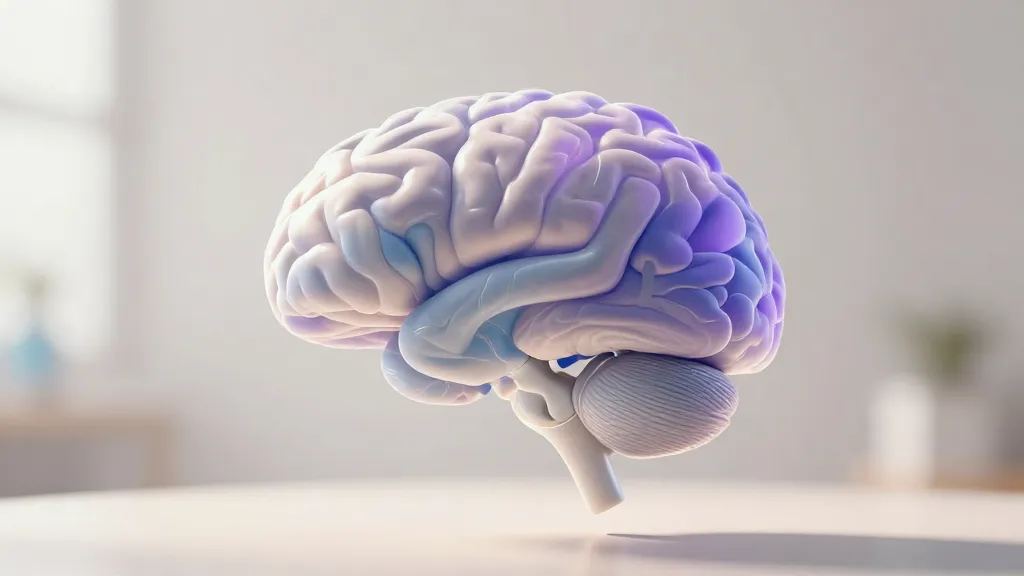
A groundbreaking study has revealed that menopause triggers measurable changes in the brain that mirror those typically seen in Alzheimer’s disease, potentially affecting millions of women worldwide. The research suggests that the hormonal shifts during menopause don’t just cause hot flashes and mood changes—they may actually reshape the brain itself in ways scientists are only beginning to understand.
The Discovery That Changes Everything
According to new research reported by the BBC, menopause is linked to a significant loss of grey matter in brain regions crucial for memory and emotional processing. This finding represents a major shift in how medical professionals might approach women’s cognitive health during midlife transitions.
The study suggests that the brain changes occurring during menopause aren’t just temporary inconveniences but measurable structural alterations that could have lasting implications for cognitive function. These changes specifically target areas of the brain that researchers have long associated with neurodegenerative diseases like Alzheimer’s.
What’s Happening in the Menopausal Brain
The research indicates that grey matter loss during menopause occurs in regions that play vital roles in daily cognitive function. Reports suggest these changes affect:
- Memory formation and retention areas
- Emotional processing centers
- Regions previously linked only to Alzheimer’s disease progression
The implications of these findings extend far beyond what scientists previously understood about menopause’s impact on the body. While researchers have long known that hormonal changes during menopause can affect mood and cognitive function, this study suggests the changes run much deeper than surface-level symptoms.
The Alzheimer’s Connection
What makes this discovery particularly significant is the parallel between menopausal brain changes and those seen in Alzheimer’s disease. The grey matter loss observed in menopausal women occurs in the same brain regions that show deterioration in patients with Alzheimer’s, though researchers are still working to understand the full implications of this connection.
This overlap raises important questions about whether menopause might influence long-term cognitive health risks or whether the brain changes represent a different type of adaptation that doesn’t necessarily lead to cognitive decline.
What This Means for Women’s Health
The research opens new avenues for understanding and potentially addressing cognitive changes during menopause. For the millions of women who experience memory concerns during this life transition, these findings provide scientific validation that their experiences reflect real, measurable changes in brain structure.
Key Areas for Future Research
Observers note that this discovery could lead to several important research directions:
- Long-term studies tracking cognitive outcomes after menopause
- Investigation of hormone replacement therapy’s impact on brain structure
- Development of targeted interventions to support brain health during menopause
- Better understanding of individual variation in menopausal brain changes
The Bigger Picture
This research represents a significant step forward in taking women’s midlife health concerns seriously from a neurological perspective. For too long, cognitive symptoms during menopause have been dismissed or minimized, but these findings suggest they deserve the same scientific attention given to other neurological changes.
The study also highlights the importance of considering sex-specific factors in brain health research. While Alzheimer’s disease affects more women than men, much of the foundational research has historically focused on male subjects or hasn’t adequately accounted for hormonal influences on brain structure and function.
Looking Ahead
As researchers continue to investigate these findings, the implications for women’s healthcare could be substantial. Understanding how menopause affects brain structure might lead to new approaches for supporting cognitive health during this transition, potentially including targeted interventions or modified treatment protocols.
The research also underscores the need for more comprehensive studies examining the long-term cognitive outcomes for women who experience these brain changes during menopause. While the immediate implications remain unclear, the discovery opens important new questions about the relationship between hormonal transitions and brain health that could benefit millions of women worldwide.
This groundbreaking research marks just the beginning of what could become a major shift in how medical professionals approach menopause and its effects on the brain, potentially leading to better support and treatment options for women navigating this significant life transition.