
Neurologist Reveals: Your Brain Works Like a Muscle and Here's How to Train It
A neurologist explains how challenging your brain with new tasks and skills improves cognitive efficiency just like strength training builds muscle. The key ingredient most people miss: proper rest.
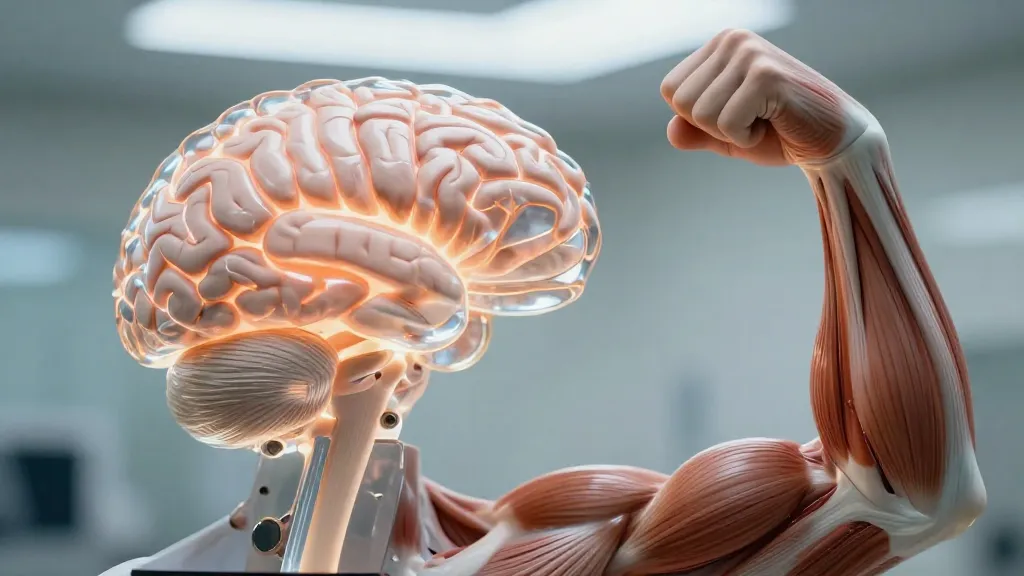
Your brain isn’t just sitting there passively absorbing information—it’s actively reshaping itself with every new challenge you throw at it. Recent insights from neuroscience reveal that our brains function remarkably similar to muscles, adapting and growing stronger through targeted training. The key lies in understanding how to properly challenge your cognitive abilities while giving them the recovery time they need.
The Muscle-Brain Connection
Just as lifting weights creates microscopic tears in muscle fibers that rebuild stronger, exposing your brain to new situations, tasks, and skills triggers neuroplastic changes that enhance cognitive efficiency. This isn’t just feel-good science—it’s grounded in decades of neurological research showing how our brains physically adapt to mental challenges.
When you tackle unfamiliar problems or learn new skills, your brain forms new neural pathways and strengthens existing connections. These changes improve processing speed, memory consolidation, and overall cognitive performance over time.
What Makes Brain Training Effective
The most effective brain training follows specific principles that maximize neuroplastic adaptation:
- Novelty: Engaging with unfamiliar tasks forces your brain to create new neural pathways
- Progressive difficulty: Gradually increasing challenge levels prevents cognitive plateaus
- Variety: Mixing different types of mental exercises targets multiple brain regions
- Consistency: Regular practice reinforces neural connections and builds lasting improvements
Beyond Crossword Puzzles
While traditional brain games have their place, reports suggest that real-world learning experiences provide more comprehensive cognitive benefits. Learning a musical instrument, mastering a new language, or developing technical skills challenges multiple brain systems simultaneously, creating more robust neural adaptations than isolated puzzle-solving.
The Missing Piece: Rest and Recovery
Here’s where most people get brain training wrong—they forget about recovery. Just as muscles need rest between workouts to repair and grow stronger, your brain requires adequate downtime to consolidate new learning and optimize performance.
During rest periods, particularly during sleep, your brain processes and integrates new information, strengthens important neural connections, and clears metabolic waste. Without proper recovery, cognitive training can lead to mental fatigue and diminished returns.
Signs Your Brain Needs Recovery
Observers note several indicators that suggest your cognitive system needs rest:
- Difficulty concentrating on familiar tasks
- Increased mental fatigue throughout the day
- Reduced problem-solving abilities
- Memory lapses or slower information processing
Practical Applications for Daily Life
Understanding your brain’s muscle-like properties opens up practical strategies for cognitive enhancement. Consider incorporating brief learning sessions into your routine—spending 15-20 minutes daily on challenging mental activities can yield significant improvements over time.
The key is finding the sweet spot between challenge and overwhelm. Your brain adapts best when pushed just beyond its comfort zone, similar to how muscles grow stronger when working against appropriate resistance.
The Long-Term Payoff
Regular brain training doesn’t just improve immediate performance—it builds cognitive reserve that may protect against age-related decline. While individual results vary, research suggests that people who consistently challenge their minds maintain sharper cognitive abilities as they age.
The beauty of treating your brain like a muscle lies in its simplicity. You don’t need expensive equipment or complicated programs. Whether you’re learning to cook new cuisines, exploring different routes to work, or picking up a hobby that requires focused attention, you’re already engaging in effective brain training.
Remember: like any fitness program, consistency matters more than intensity. A sustainable approach to cognitive training, balanced with proper rest and recovery, sets the foundation for long-term brain health and peak mental performance.