
New Research Reveals Cannabis May Actually Protect Aging Brains
Emerging studies challenge conventional wisdom about marijuana and aging, suggesting cannabis use may have unexpected neuroprotective benefits for older adults. The findings come as more states legalize recreational use.
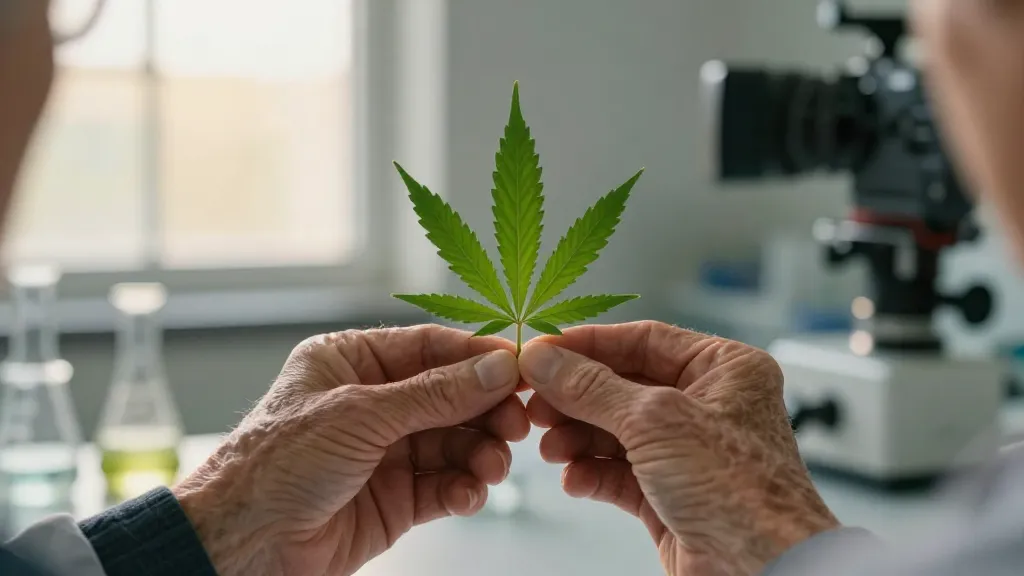
The stereotype of the “stoner” with a foggy brain might be about to get turned upside down. As recreational marijuana becomes legal in more states across America, groundbreaking research is revealing something unexpected: cannabis might actually help protect our brains as we age.
This isn’t what most people expect to hear about marijuana and brain health. For decades, the conversation has focused on potential cognitive risks, especially for young users. But emerging studies suggest the relationship between cannabis and the aging brain is far more complex—and potentially beneficial—than previously understood.
The Neuroprotection Surprise
Recent research has begun to challenge long-held assumptions about how cannabis affects older adults’ brains. While the scientific community has extensively studied marijuana’s impact on developing brains in teenagers and young adults, the effects on mature, aging brains tell a different story entirely.
Scientists are discovering that cannabis compounds may offer neuroprotective benefits that become more pronounced with age. This finding represents a significant shift in how researchers view marijuana’s role in brain health, particularly for older populations who face increasing risks of cognitive decline and neurodegenerative diseases.
The timing of these discoveries is particularly relevant as the legal landscape continues to evolve. With more states embracing legalization, understanding cannabis’s true effects on different age groups becomes crucial for both policy makers and healthcare providers.
What Makes Aging Brains Different
The aging brain faces unique challenges that younger brains don’t encounter. As we get older, our brains naturally experience inflammation, oxidative stress, and declining neuroplasticity—the brain’s ability to form new neural connections.
These age-related changes create an environment where neuroprotective compounds could potentially make a significant difference. Cannabis contains various compounds, including cannabinoids, that interact with the brain’s endocannabinoid system in ways that researchers are still working to fully understand.
Key Areas of Research Interest
Scientists are particularly focused on several aspects of cannabis’s potential neuroprotective effects:
- Reduction of brain inflammation in older adults
- Protection against oxidative stress damage
- Potential support for neural connectivity
- Possible benefits for age-related cognitive decline
The Research Landscape
While these findings are promising, researchers emphasize that the science is still emerging. Cannabis research has historically faced significant limitations due to legal restrictions, making comprehensive studies challenging to conduct. As legalization expands, scientists gain better access to study cannabis’s effects more thoroughly.
The research community notes that much of the existing data comes from preliminary studies or animal models. Human studies, particularly those focusing specifically on older adults, remain limited but are expanding as regulatory barriers decrease.
Important Considerations
Experts stress that these potential benefits don’t mean cannabis is a magic bullet for brain aging. The research is still in early stages, and individual responses to cannabis can vary significantly based on factors like genetics, overall health, and usage patterns.
Additionally, the type of cannabis, dosage, and method of consumption all appear to play crucial roles in determining effects. What works for one person may not work for another, and what’s beneficial in one context might not be in another.
Looking Ahead
As more states consider legalization and existing legal markets mature, the need for comprehensive research becomes even more pressing. Healthcare providers are increasingly fielding questions from older patients curious about cannabis’s potential benefits and risks.
The emerging research suggests we may need to completely reconsider our assumptions about cannabis and cognitive health, particularly for older adults. However, scientists caution that much more research is needed before drawing definitive conclusions about cannabis as a neuroprotective treatment.
For now, the findings serve as a reminder that our understanding of cannabis’s effects on the brain continues to evolve. As legalization spreads and research barriers fall, we’re likely to discover even more surprising insights about this complex plant and its relationship with human health across different life stages.