
New Study Links Cannabis Use to Larger Brain Volume and Better Cognitive Function in Older Adults
Groundbreaking research suggests moderate cannabis use may protect the hippocampus from age-related shrinkage, potentially preserving cognitive function as we age. This challenges long-held assumptions about marijuana's effects on the brain.
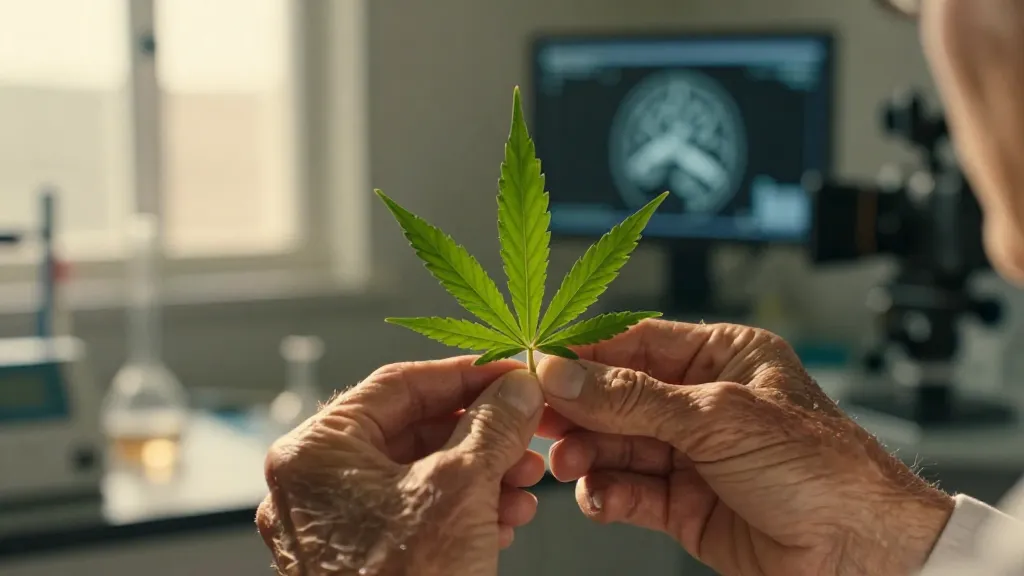
A new study is turning decades of anti-drug messaging on its head, suggesting that moderate cannabis use might actually protect your brain from the natural shrinkage that comes with aging. While conventional wisdom has long painted marijuana as harmful to cognitive function, emerging research indicates the opposite could be true—at least for older adults using cannabis in moderation.
The Hippocampus Connection
The research centers on the hippocampus, a seahorse-shaped region deep within the brain that plays a crucial role in memory formation and learning. As we age, this vital brain structure naturally shrinks, contributing to the cognitive decline many people experience in their later years. However, the new findings suggest that moderate cannabis use may help preserve hippocampus volume, potentially maintaining cognitive sharpness as we grow older.
The hippocampus is particularly vulnerable to age-related changes, making any potential protective factor significant for researchers studying healthy aging. This brain region’s importance cannot be overstated—it’s essentially the gateway for forming new memories and retrieving old ones.
What the Research Reveals
According to reports from the study, moderate cannabis users showed larger hippocampus volumes compared to non-users in the same age group. This difference wasn’t just measurable on brain scans—it appeared to translate into better cognitive performance as well.
The findings challenge long-held assumptions about cannabis and brain health, particularly the narrative that marijuana use inevitably leads to cognitive impairment. Instead, the research suggests a more nuanced relationship between cannabis and the aging brain.
Key findings include:
- Larger hippocampus volume in moderate cannabis users
- Better cognitive function scores among users compared to non-users
- Potential protective effects against age-related brain shrinkage
- Results specific to moderate, not heavy, usage patterns
The Science Behind the Surprise
While the results may seem counterintuitive, researchers have proposed several mechanisms that could explain cannabis’s potential neuroprotective effects. The brain’s endocannabinoid system, which cannabis compounds interact with, plays important roles in neuroplasticity and cellular protection.
Some scientists theorize that cannabis compounds might help reduce inflammation in the brain or support the growth of new neural connections. However, the exact mechanisms remain unclear, and researchers emphasize that much more work is needed to understand these processes fully.
Important Caveats and Limitations
Before anyone starts viewing cannabis as a fountain of youth for the brain, experts urge caution in interpreting these preliminary findings. The research represents just one study, and the scientific community requires multiple independent studies to confirm such significant claims.
Several important limitations should be considered:
What to watch for:
- Sample size and demographic representation
- Length of follow-up period
- Definition of “moderate” use
- Potential confounding factors
- Need for peer review and replication
The distinction between moderate and heavy use appears crucial, as previous research has shown that excessive cannabis consumption can indeed have negative cognitive effects. The protective benefits, if confirmed, seem to apply specifically to moderate usage patterns.
Changing Perspectives on Cannabis Research
This study emerges at a time when cannabis research is experiencing unprecedented growth, thanks partly to changing legal landscapes across many jurisdictions. As restrictions ease, scientists gain better access to study cannabis’s effects systematically, leading to more nuanced understandings of its impact on human health.
The research also highlights how our understanding of substances can evolve dramatically as scientific methods improve and social attitudes shift. What was once considered purely harmful may reveal beneficial properties under specific circumstances.
The Road Ahead
While these findings are intriguing, researchers stress that much more work lies ahead before any clinical recommendations can be made. Future studies will need to examine larger, more diverse populations over longer periods to confirm these initial observations.
Scientists also need to determine optimal dosing, frequency of use, and which specific cannabis compounds might be responsible for any protective effects. The research raises as many questions as it answers, setting the stage for years of additional investigation.
The implications could be significant if these findings hold up to scrutiny. As populations worldwide age and neurodegenerative diseases become increasingly common, any intervention that might preserve cognitive function deserves serious scientific attention—even if it comes from an unexpected source.
For now, the research serves as a compelling reminder that our understanding of cannabis and its effects on human health continues to evolve, challenging preconceptions and opening new avenues for investigation into healthy aging.