
One Month With a HEPA Air Purifier Improved Brain Function in Adults Over 40
A new peer-reviewed study reveals that using a HEPA air purifier for just one month produces measurable cognitive improvements in middle-aged and older adults. The findings suggest a simple, affordable way to boost brain function through better air quality.
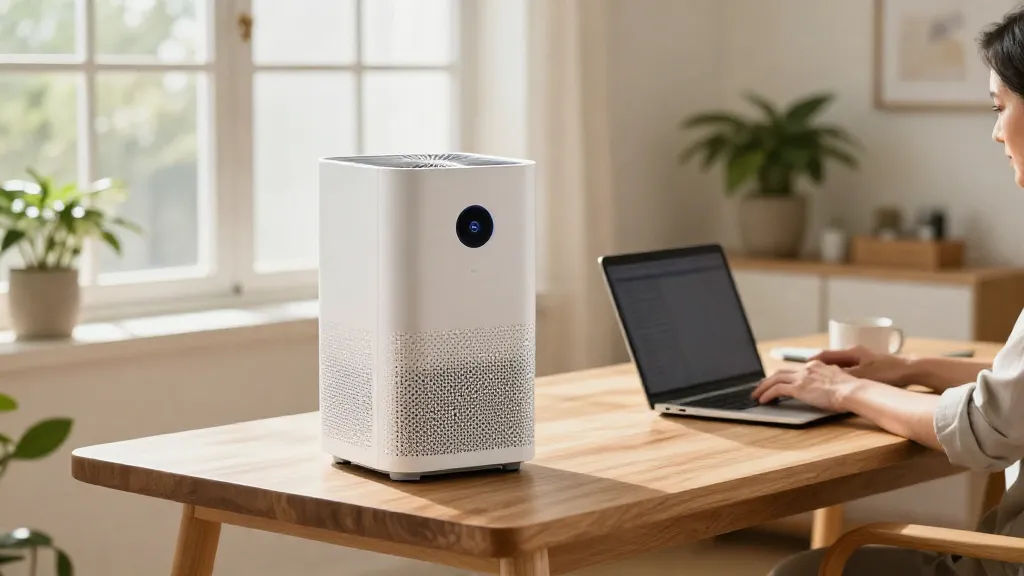
The air you’re breathing right now might be quietly undermining your mental sharpness. While most of us focus on diet and exercise for brain health, groundbreaking research suggests there’s a surprisingly simple intervention hiding in plain sight: the humble HEPA air purifier. A new study published in Scientific Reports reveals that adults over 40 experienced measurable cognitive improvements after using a HEPA air purifier for just one month—a finding that could reshape how we think about protecting our aging brains.
The One-Month Brain Boost
The research, which tracked adults aged 40 and older, found that participants who used HEPA air purifiers in their homes showed significant improvements in cognitive function after just four weeks. While the effect size was described as small, the improvements were statistically significant and measurable through standardized testing.
This timeline is particularly striking for busy adults seeking practical health interventions. Unlike supplements that may take months to show benefits, or exercise routines that require long-term commitment, air purification appears to offer relatively quick cognitive returns on investment.
Why Air Quality Matters for Your Brain
The connection between air quality and brain function isn’t entirely surprising to researchers who study environmental health. The brain is an oxygen-hungry organ, consuming roughly 20% of the body’s total oxygen supply despite representing only 2% of body weight. When that air carries pollutants, particulates, and other contaminants, it stands to reason that cognitive performance might suffer.
HEPA (High-Efficiency Particulate Air) filters are designed to capture 99.97% of particles that are 0.3 micrometers or larger, including:
- Dust and pollen
- Pet dander
- Smoke particles
- Some bacteria and viruses
- Fine particulate matter from outdoor pollution
By removing these contaminants from indoor air, HEPA purifiers may be creating an environment where the brain can function more optimally.
What This Means for Middle-Aged Adults
For adults over 40, who may already be concerned about age-related cognitive decline, this research offers an accessible intervention that doesn’t require prescription medications or dramatic lifestyle overhauls. The study’s focus on this age group is particularly relevant, as cognitive changes often become more noticeable during middle age.
However, researchers acknowledge that questions remain about the long-term effects and whether cognitive improvements persist after purifier use stops. The study’s authors were transparent about the small effect size, suggesting that while the improvements are real and measurable, they represent modest rather than dramatic changes in cognitive function.
The Practical Path Forward
What to Consider Before Buying
- Room size: HEPA purifiers are rated for specific square footage
- Noise levels: Some units can be disruptive, especially during sleep
- Filter replacement costs: Ongoing maintenance is required for effectiveness
- Energy consumption: Consider the environmental and financial impact of continuous use
The accessibility of this intervention is perhaps its greatest strength. Unlike many cognitive enhancement strategies that require significant time, money, or lifestyle changes, air purification can run passively in the background of daily life.
Study Limitations and Future Research
While the findings are promising, the research represents a single study with what researchers describe as a small effect size. Questions remain about optimal usage patterns, the duration of benefits, and whether certain populations might see greater improvements than others.
The study’s publication in Scientific Reports, a peer-reviewed journal, lends credibility to the findings, but replication studies and longer-term research will be crucial for understanding the full scope of air quality’s impact on cognitive function.
Beyond the Brain: Additional Benefits
Even if cognitive improvements represent just one benefit of cleaner air, HEPA purifiers offer other well-documented health advantages, including reduced allergy symptoms, better sleep quality for some users, and decreased exposure to airborne pathogens. For adults weighing the investment, these additional benefits may tip the scales toward trying air purification.
The research suggests that something as simple as plugging in a HEPA air purifier could offer a low-effort, high-impact addition to brain health strategies. While it’s not a magic bullet for cognitive aging, it represents an intriguing piece of the puzzle for maintaining mental sharpness as we age—one that fits easily into modern life and starts working within weeks rather than months or years.