
Popular Gym Supplement Shows Promise Against Alzheimer's in Breakthrough Study
A common bodybuilding supplement called HMB may help reduce Alzheimer's markers and protect memory, according to new research that could bridge fitness and brain health.
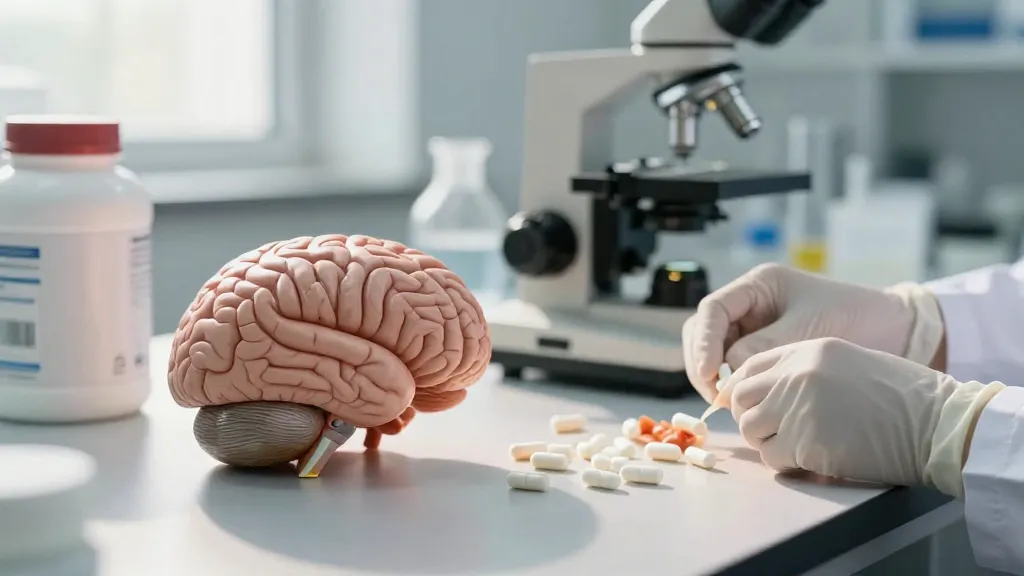
The humble protein powder section of your local supplement store might hold an unexpected secret weapon against one of humanity’s most feared diseases. While gym enthusiasts have long relied on HMB (beta-hydroxy beta-methylbutyrate) to build muscle and enhance recovery, groundbreaking research suggests this widely available supplement could play a crucial role in protecting our brains from Alzheimer’s disease.
The Bodybuilder’s Brain Booster
HMB has been a staple in the bodybuilding community for years, prized for its ability to reduce muscle breakdown and accelerate recovery after intense workouts. This naturally occurring compound, which our bodies produce in small amounts from the amino acid leucine, has been extensively studied for its muscle-preserving properties. But recent research is revealing an entirely different side to this familiar supplement.
Scientists have discovered that HMB may offer significant neuroprotective benefits, specifically targeting the mechanisms underlying Alzheimer’s disease. The implications are staggering: a supplement that’s already sitting on store shelves, with an established safety profile and affordable price point, could potentially help millions of people protect their cognitive health.
Breaking Down the Breakthrough
The new research demonstrates that HMB shows remarkable promise in reducing Alzheimer’s markers and protecting memory function in laboratory studies. While the specific details of the study methodology remain to be fully disclosed, early reports suggest the supplement works by targeting multiple pathways involved in neurodegeneration.
What makes this discovery particularly exciting is HMB’s accessibility. Unlike experimental drugs that take decades to develop and cost thousands of dollars, HMB is:
- Already widely available at supplement stores
- Extensively studied for safety in healthy adults
- Relatively inexpensive compared to prescription medications
- Easy to incorporate into daily routines
What the Research Reveals
Observers note that the current findings appear to be based on animal studies, which represents an important early step in the research process. While these results are promising, researchers emphasize that human clinical trials will be necessary to confirm the supplement’s effectiveness in people.
The study suggests that HMB may work through several mechanisms to protect brain health, though the exact pathways are still being investigated. Reports indicate that the supplement showed measurable effects on key Alzheimer’s markers, offering hope for both prevention and treatment approaches.
The Fitness-Brain Health Connection
Why This Makes Scientific Sense
The connection between physical fitness and brain health has been well-established in scientific literature. Exercise promotes the production of brain-derived neurotrophic factor (BDNF), improves blood flow to the brain, and reduces inflammation—all factors that can protect against cognitive decline.
HMB’s dual role in muscle preservation and potential brain protection aligns with this understanding. The supplement’s anti-inflammatory properties and its ability to support cellular energy production could benefit both muscle tissue and neurons.
What Gym Enthusiasts Need to Know
For the millions of people already using HMB for fitness goals, this research adds an intriguing dimension to their supplement routine. While the primary focus has been on muscle building and recovery, users may unknowingly be supporting their long-term cognitive health as well.
Looking Ahead: From Lab to Life
The Road to Human Trials
While the initial findings are encouraging, experts stress the importance of rigorous human clinical trials before making definitive health claims. The transition from animal studies to human applications is a critical step that requires careful evaluation of dosing, safety, and effectiveness across diverse populations.
What to Watch For
- Publication of peer-reviewed research results
- Announcement of human clinical trial timelines
- Regulatory guidance on cognitive health claims
- Long-term safety data in aging populations
The Bigger Picture
This research represents more than just another supplement study—it highlights the potential for repurposing existing, well-understood compounds for new therapeutic applications. The fact that HMB is already widely available and has an established safety profile could accelerate the timeline for practical applications if human trials prove successful.
For a world grappling with an aging population and rising rates of dementia, the prospect of an accessible, affordable intervention offers genuine hope. While we await further research, the intersection of fitness culture and neuroscience continues to yield surprising insights into how we might protect our most precious asset: our minds.
The journey from gym supplement to potential Alzheimer’s therapy is just beginning, but early signs suggest we might be witnessing the start of a remarkable medical breakthrough hiding in plain sight.