
Popular Gym Supplement Shows Unexpected Promise Against Alzheimer's in New Study
HMB, a widely available bodybuilding supplement, demonstrated potential in reducing Alzheimer's markers and protecting memory in early mouse research. The affordable supplement could offer new hope in dementia prevention.
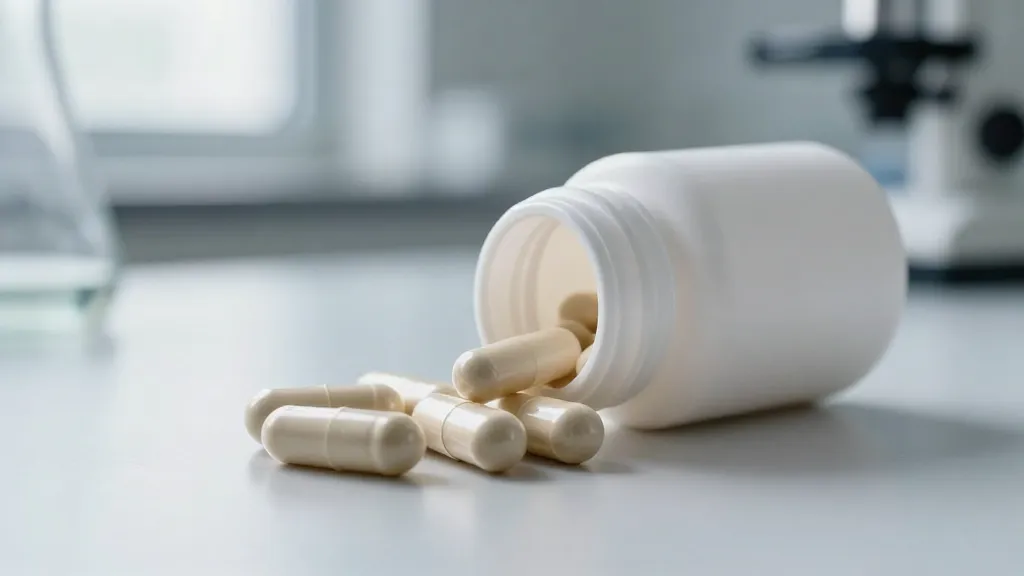
A supplement that millions of gym-goers take to build muscle might also help protect their brains from one of the most devastating diseases of aging. New research suggests that HMB, a popular and affordable bodybuilding supplement, shows unexpected promise in fighting Alzheimer’s disease markers and preserving memory—at least in early laboratory studies.
The findings represent a surprising crossover between the fitness world and neuroscience, potentially opening a new avenue for dementia prevention using a product that’s already sitting on supplement store shelves worldwide.
What Is HMB and Why Do Athletes Use It?
HMB, short for beta-hydroxy beta-methylbutyrate, has been a staple in the bodybuilding community for years. Athletes and fitness enthusiasts typically use it to reduce muscle breakdown during intense training and support muscle recovery. The supplement is derived from the amino acid leucine and is naturally produced in small amounts by the human body.
Unlike many exotic or expensive brain health supplements, HMB is widely available and relatively inexpensive, making it accessible to a broad population if future research confirms its brain-protective benefits.
The Alzheimer’s Connection
The new research, conducted in mice, demonstrates that HMB may help reduce markers associated with Alzheimer’s disease while protecting memory function. This discovery emerged from studies examining how the supplement affects brain tissue and cognitive performance in laboratory animals.
While the exact mechanisms behind HMB’s potential brain-protective effects remain under investigation, the results suggest the supplement might influence pathways involved in neurodegeneration and memory formation.
What the Research Shows
The mouse studies indicate several promising effects:
- Reduction in Alzheimer’s disease markers in brain tissue
- Protection of memory function during testing
- Potential interference with degenerative brain processes
- Measurable cognitive benefits in treated animals
However, researchers emphasize that these findings represent early-stage research, and the leap from mouse studies to human applications requires extensive additional investigation.
The Broader Implications
This research highlights an intriguing pattern in medical science: compounds developed for one purpose sometimes reveal unexpected benefits in entirely different areas. The potential for a widely available, affordable supplement to contribute to Alzheimer’s prevention could have significant public health implications if the effects translate to humans.
The accessibility factor cannot be overstated. While many promising Alzheimer’s treatments remain prohibitively expensive or difficult to obtain, HMB’s current availability means that future human studies could potentially involve larger, more diverse populations.
Important Limitations to Consider
Despite the encouraging preliminary results, several crucial limitations must be acknowledged. The research remains in early stages, conducted only in laboratory mice rather than human subjects. The translation from animal studies to human benefits is notoriously unpredictable, with many promising compounds failing to show similar effects in clinical trials.
Additionally, optimal dosing, potential side effects, and long-term safety considerations for brain health applications remain unknown. The supplement’s current use in fitness contexts doesn’t automatically guarantee its safety or efficacy for neurological conditions.
What This Means for the Future
The HMB findings add to a growing body of research exploring the connection between physical fitness supplements and brain health. This crossover research could lead to new therapeutic approaches that leverage existing, well-understood compounds for neurological protection.
Future studies will likely focus on determining whether HMB’s effects can be replicated in human subjects, establishing appropriate dosing protocols, and understanding the long-term implications of supplementation for brain health.
While these early results offer hope, they also underscore the importance of continued research into affordable, accessible interventions for one of the most challenging diseases of our time. The journey from promising mouse studies to proven human treatments remains long, but discoveries like these provide valuable stepping stones toward better understanding and preventing Alzheimer’s disease.