
Scientists Create Cannabis Equivalent of 'Standard Drink' to Help Users Manage Intake
University of Bath researchers have developed a standardized unit for measuring cannabis potency, similar to alcohol's standard drink system, to help users understand dosage and manage consumption responsibly.
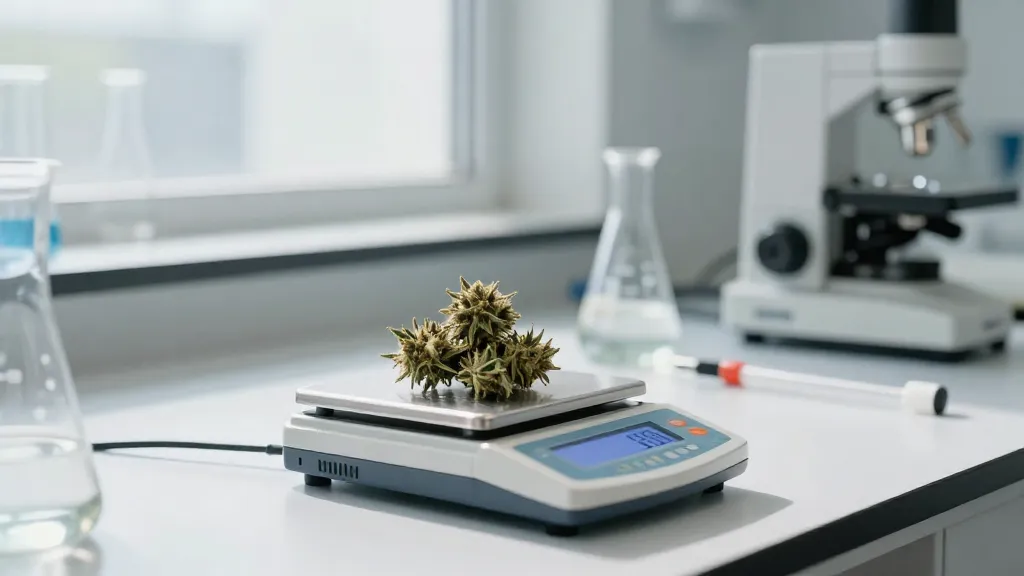
Scientists just created the cannabis equivalent of a “standard drink”—and it could change how millions of people approach marijuana use. In a groundbreaking study that bridges the gap between cannabis legalization and public health, researchers from the University of Bath have developed the first standardized measurement system for cannabis potency, offering users a clear way to understand and control their consumption.
Why Cannabis Needed Its Own “Standard Drink”
For decades, alcohol has had a simple system that helps drinkers understand their intake: the standard drink. Whether you’re sipping wine, beer, or spirits, you know roughly how much alcohol you’re consuming. Cannabis users, however, have been navigating a wild west of potency levels with no reliable way to measure their dose.
This gap has become increasingly problematic as cannabis legalization spreads and products with vastly different THC concentrations flood the market. From low-potency flower to high-concentration edibles and extracts, users often struggle to gauge appropriate dosing—leading to experiences ranging from underwhelming to overwhelming.
The Science Behind Cannabis Standardization
The University of Bath researchers tackled this challenge by developing a measurement system that parallels alcohol’s proven approach. Their new standard unit for cannabis potency aims to provide the same clarity and consistency that standard drink measurements offer alcohol consumers.
The research suggests this standardized approach could serve multiple purposes:
- Help users better manage their cannabis intake
- Identify individuals who may be at risk for problematic use
- Provide healthcare professionals with clearer assessment tools
- Support harm reduction efforts in regions with legal cannabis
What This Means for Cannabis Users
This development represents a significant step toward treating cannabis consumption with the same scientific rigor applied to alcohol. Rather than guessing at dosages or relying on inconsistent product labeling, users could potentially have access to a universal measurement system that works across different cannabis products and consumption methods.
Potential Benefits of Standardized Cannabis Units
The implications extend beyond individual use. Healthcare providers, researchers, and policymakers have long struggled with the lack of standardized cannabis measurements when studying usage patterns, health effects, and developing evidence-based guidelines.
Reports suggest that this standardization could also help bridge communication gaps between medical professionals and patients who use cannabis, whether for recreational or therapeutic purposes. Currently, discussions about cannabis use often lack the precision that standardized measurements could provide.
The Bigger Picture for Cannabis Policy
As cannabis legalization continues to expand globally, tools like standardized potency measurements become increasingly valuable for public health initiatives. The research from the University of Bath represents part of a growing effort to apply evidence-based approaches to cannabis regulation and harm reduction.
Observers note that this type of scientific framework could support more nuanced policy discussions about cannabis use, moving beyond simple prohibition or permissiveness toward sophisticated harm reduction strategies similar to those used for alcohol.
While this study marks an important milestone, questions remain about implementation and adoption. The cannabis industry, regulators, and users themselves will ultimately determine whether standardized units become as ubiquitous and useful as standard drink measurements have proven to be for alcohol.
The research highlights how scientific innovation can help society navigate the complexities of drug policy reform, offering practical tools for responsible use rather than relying solely on prohibition or unrestricted access.