
Scientists Create Smart Underwear That Counts Your Farts—The Results Are Shocking
Researchers developed wearable technology that tracks flatulence frequency throughout the day, revealing humans pass gas far more often than commonly believed. The smart underwear brings digestive science into the modern era with surprising findings.
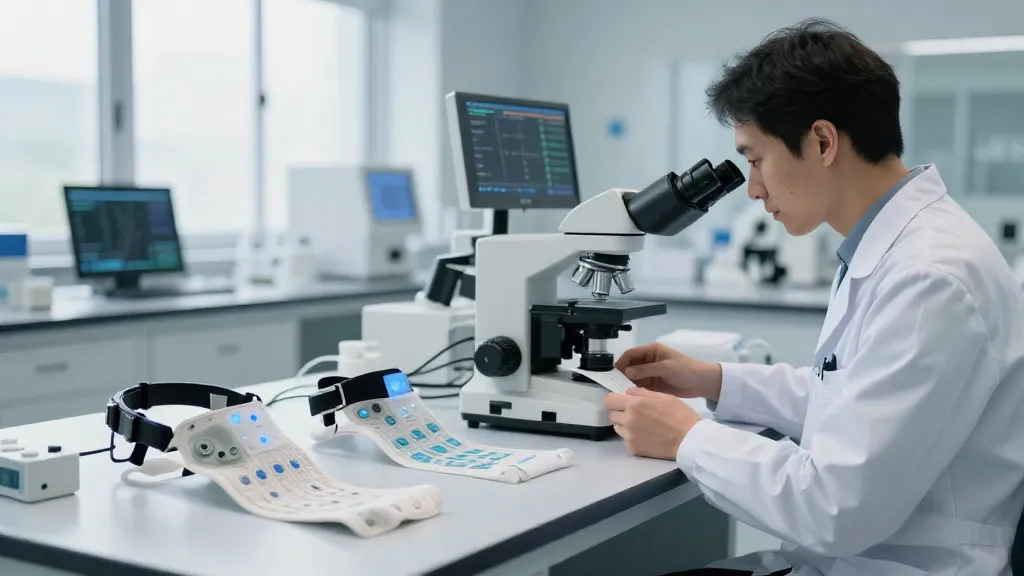
Picture this: you’re going about your day, completely unaware that scientists are secretly counting every single time you pass gas. Thanks to breakthrough wearable technology, researchers have finally answered one of humanity’s most pressing (yet rarely discussed) questions—and the results might make you blush.
A team of innovative scientists has developed what they’re calling “smart underwear”—a high-tech garment designed to track and count flatulence throughout the day. This isn’t just a quirky experiment; it’s bringing digestive science firmly into the modern era with some eye-opening discoveries about our bodily functions.
The Technology Behind the Breakthrough
The smart underwear represents a significant leap forward in wearable health monitoring technology. While fitness trackers count our steps and monitor our heart rates, this device focuses on a completely different—yet equally natural—bodily function that affects everyone.
According to reports, the research team believes their innovation brings the study of flatulence “into the 21st century.” The technology embedded within the undergarment can detect and record each instance of gas passing, providing unprecedented data about human digestive patterns.
What the Research Reveals
The findings from this unusual study are genuinely surprising. The smart underwear data suggests that people pass gas significantly more frequently than commonly believed or reported in previous estimates.
While exact figures weren’t specified in available reports, researchers indicate the actual frequency far exceeds what most people would guess about their own daily flatulence patterns. This discrepancy between perception and reality highlights how little we truly understand about our own digestive processes.
Why This Matters for Health Science
Beyond the obvious entertainment value, this research serves legitimate scientific purposes:
- Digestive health monitoring: Understanding normal flatulence patterns could help identify digestive disorders
- Dietary impact assessment: Tracking how different foods affect gas production
- Medical diagnostics: Providing baseline data for healthy digestive function
- Wearable technology advancement: Pushing boundaries of what health devices can monitor
The study represents a broader trend in health science toward continuous, real-time monitoring of bodily functions that were previously difficult or impossible to track accurately.
The Broader Implications
This research touches on something universally human yet rarely discussed openly. Everyone experiences flatulence, but social taboos have historically limited scientific study of the phenomenon. By applying serious scientific methodology to this natural bodily function, researchers are filling important gaps in our understanding of human physiology.
The smart underwear also demonstrates how wearable technology continues expanding into new frontiers. From counting steps to monitoring sleep patterns, and now tracking digestive activity, these devices are providing increasingly comprehensive pictures of human health and behavior.
What This Means for You
While smart underwear might not be hitting store shelves anytime soon, the research offers fascinating insights into the hidden aspects of human biology. The findings suggest we’re all more gassy than we realize—which might be oddly comforting to know.
The study also raises intriguing questions about how well we actually know our own bodies. If we’re so off-base about something as basic as flatulence frequency, what other assumptions about our physiology might be incorrect?
As wearable technology continues evolving, who knows what other bodily mysteries scientists will solve next. One thing’s certain: this research proves that even the most mundane aspects of human existence can yield surprising scientific discoveries when examined with modern tools and methodologies.