
Scientists Discover Bed Bugs' Fatal Weakness—And It's Already in Your Home
Groundbreaking research reveals bed bugs actively avoid water and wet surfaces, potentially revolutionizing how homeowners fight these persistent pests. This simple discovery could save thousands on expensive extermination services.
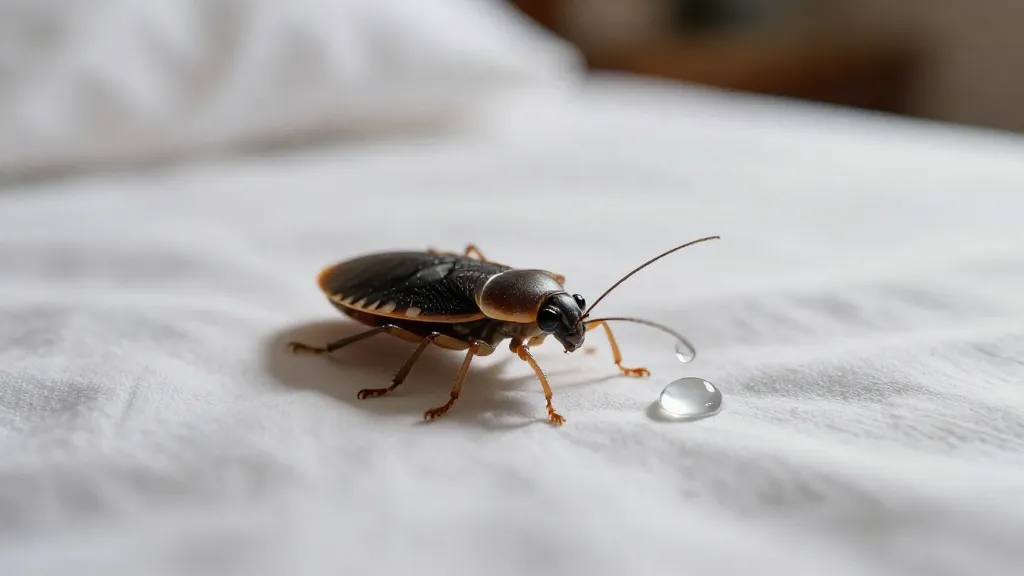
The bloodsucking pests that have haunted humanity for centuries may have finally met their match—and it’s flowing right out of your kitchen tap. After years of homeowners spending thousands on professional exterminators and toxic chemical treatments, scientists have uncovered bed bugs’ most closely guarded secret: they’re absolutely terrified of water.
This groundbreaking discovery, published in recent research, marks the first time scientists have definitively identified water and wet surfaces as a powerful deterrent against these notoriously resilient parasites. For the millions of people who’ve battled these nocturnal invaders, this revelation could be nothing short of revolutionary.
The Pest Control Industry’s Best-Kept Secret
While pest control companies have built a multi-billion dollar industry around complex chemical treatments and heat therapies, researchers have now confirmed what bed bugs fear most costs virtually nothing and sits in every home. The study reveals that bed bugs actively avoid wet surfaces at all costs—a behavior that could fundamentally reshape how we approach pest control.
This discovery challenges everything we thought we knew about fighting these persistent pests. For decades, homeowners have been told that bed bugs are nearly indestructible, requiring professional intervention with expensive equipment and harsh chemicals. The reality, according to this research, may be far simpler.
Why Water Works Where Chemicals Fail
The research findings suggest that bed bugs’ aversion to water runs deeper than simple discomfort. Unlike many insects that can tolerate moisture, bed bugs demonstrate active avoidance behaviors when encountering wet surfaces. This biological response appears to be hardwired into their survival instincts.
What makes this discovery particularly significant is its accessibility. While professional heat treatments can cost upwards of several thousand dollars and chemical applications require repeated visits, water is:
- Available in every household
- Non-toxic to humans and pets
- Environmentally friendly
- Essentially free to use
- Immediately accessible for emergency situations
Practical Applications for Homeowners
While researchers note that this discovery could reshape pest control strategies, the practical applications remain under investigation. The study identifies water as a deterrent, but observers note that more research is needed to determine the most effective implementation methods for home use.
Reports suggest that understanding this weakness could lead to new prevention strategies, particularly in areas where bed bugs commonly travel and establish themselves. However, experts emphasize that homeowners should approach this discovery as one tool among many, rather than a complete replacement for comprehensive pest management.
The Science Behind the Fear
The research represents the first scientific confirmation of bed bugs’ water aversion, filling a significant gap in our understanding of these parasites. Previous studies had focused primarily on their attraction to carbon dioxide, body heat, and certain chemical signatures, but this water-related behavior had never been systematically documented.
This behavioral pattern may explain why bed bugs are less commonly found in bathrooms and other moisture-rich environments compared to bedrooms and living areas. The discovery also raises questions about how environmental humidity levels might influence bed bug infestations.
What This Means for the Future
The implications of this research extend far beyond individual households. The pest control industry may need to reconsider its approach to bed bug management, potentially incorporating water-based strategies into comprehensive treatment plans.
What to Watch For:
- Development of water-based pest control products
- Changes in professional treatment protocols
- New prevention strategies for hotels and apartment buildings
- Updated guidance from public health authorities
While this discovery offers hope for countless homeowners battling these persistent pests, researchers emphasize that the practical application of these findings requires further study. The identification of water as bed bugs’ “kryptonite” represents a crucial first step, but translating this knowledge into effective, real-world solutions will require additional research and testing.
For now, this revelation serves as a powerful reminder that sometimes the most effective solutions to complex problems are hiding in plain sight. After decades of increasingly sophisticated and expensive pest control methods, the answer to bed bugs’ reign of terror might have been in our homes all along.