
Scientists Discover Brain Pathway That Burns Fat Without Dieting
Researchers have identified a novel brain signaling mechanism that eliminates stubborn fat cells without requiring calorie restriction, potentially revolutionizing obesity treatment approaches.
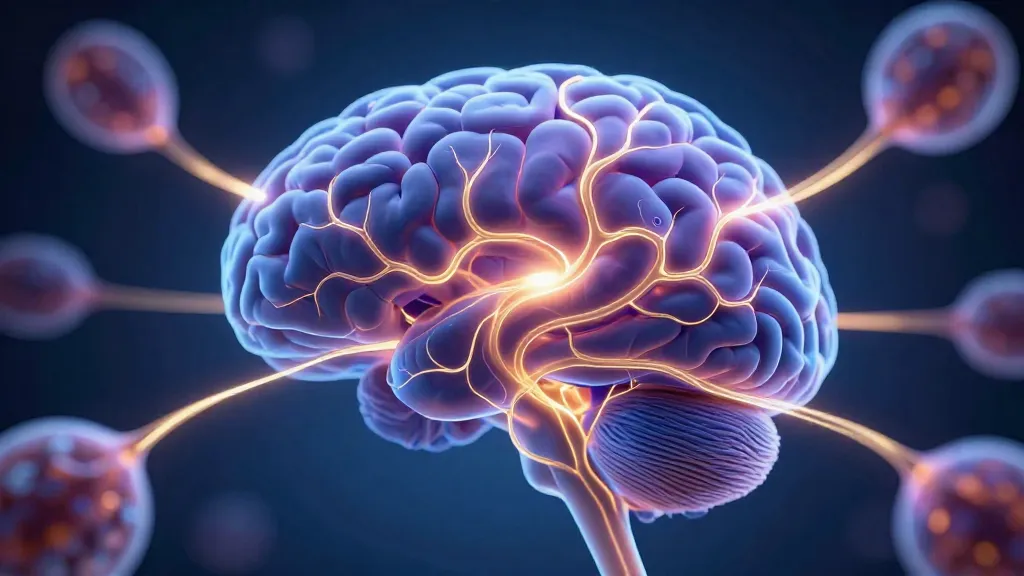
The human brain just revealed one of its most intriguing secrets—and it could change everything we know about weight loss. Scientists have uncovered a previously unknown neural pathway that appears to eliminate stubborn fat cells without requiring any changes to diet or exercise routines, potentially opening the door to revolutionary new approaches for treating obesity.
This groundbreaking discovery centers on the brain’s ability to directly target and eliminate fat stored in bone marrow—a type of fat that has long puzzled researchers due to its resistance to traditional weight loss methods. The finding suggests our brains possess sophisticated fat-burning mechanisms that operate independently of the calories we consume.
The Science Behind the Discovery
Researchers have identified a specific brain signaling pathway that appears to communicate directly with fat cells stored within bone marrow. Unlike the fat tissue found just beneath our skin or around our organs, bone marrow fat has historically been difficult to target through conventional means like calorie restriction or increased physical activity.
The newly discovered mechanism works by sending signals from the brain to these deep-seated fat deposits, triggering their elimination without requiring the body to enter a caloric deficit. This challenges long-held assumptions about how fat loss occurs and suggests the brain plays a far more active role in regulating body composition than previously understood.
What Makes This Different
Traditional weight loss approaches rely on creating an energy imbalance—burning more calories than consumed. This new brain pathway appears to bypass that requirement entirely, targeting specific fat deposits through direct neural communication.
Key aspects of this discovery include:
- The pathway specifically targets bone marrow fat cells
- No reduction in food intake is required for the mechanism to work
- The brain signals appear to directly trigger fat cell elimination
- The process operates independently of traditional metabolic pathways
Implications for Obesity Treatment
The discovery could represent a paradigm shift in how medical professionals approach obesity and metabolic disorders. Current treatments typically focus on behavioral modifications like diet changes and increased exercise, or surgical interventions that physically alter the digestive system.
This brain pathway suggests an entirely different therapeutic avenue—one that could potentially activate the body’s own fat-burning mechanisms without requiring lifestyle changes that many patients find difficult to maintain long-term.
The Road Ahead
While these findings are promising, researchers emphasize that this represents early-stage research. The pathway’s discovery opens numerous questions about how it might be safely activated in clinical settings and whether similar mechanisms exist for other types of fat tissue.
Scientists note that translating this discovery into practical treatments will require extensive additional research to understand the pathway’s full effects and potential applications. The complexity of brain signaling means that any therapeutic approaches would need careful development and testing.
A New Chapter in Neuroscience
This discovery adds to a growing body of research highlighting the brain’s central role in regulating metabolism and body composition. It suggests that obesity might be more of a neurological condition than previously recognized, potentially requiring treatments that target brain function rather than just behavioral factors.
The identification of this pathway represents just the beginning of what could be a new era in understanding how our brains control our bodies’ energy storage and utilization systems.