
Scientists Discover Brain Switch Behind Phantom Ear Ringing That Affects 32 Million Americans
Researchers have identified the specific brain mechanism causing tinnitus, offering new hope for treating the debilitating condition that plagues 1 in 10 U.S. adults. The breakthrough could lead to the first targeted therapies for phantom ear ringing.
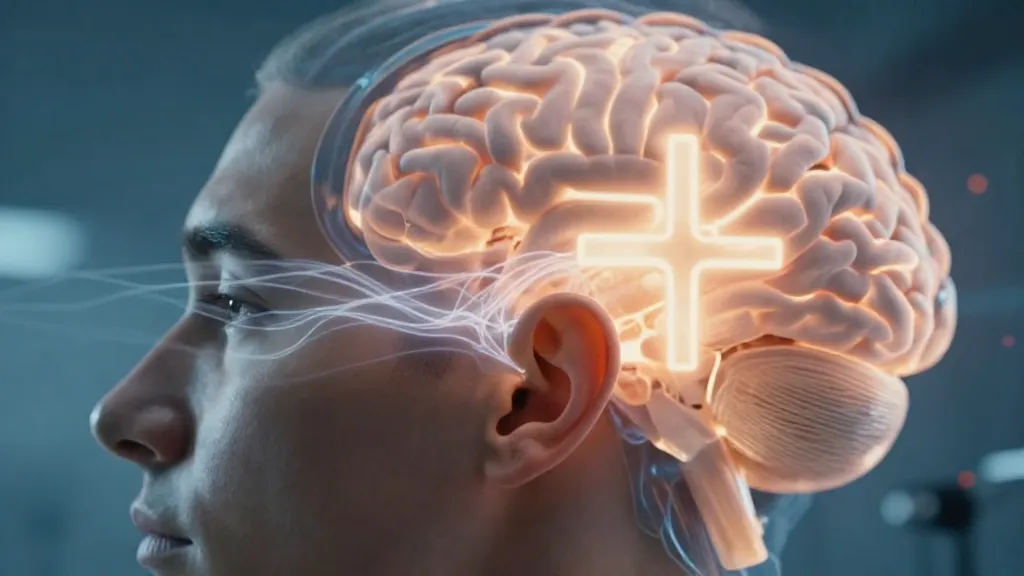
The relentless ringing, buzzing, or hissing that haunts millions of Americans may finally have met its match. In a groundbreaking discovery that could reshape how we treat one of medicine’s most frustrating conditions, researchers have identified the specific brain mechanism responsible for tinnitus—the phantom sounds that torment roughly 32 million people across the United States.
For decades, tinnitus has remained one of neuroscience’s most perplexing puzzles. Patients describe hearing sounds that aren’t there, ranging from high-pitched whistles to low rumbles, often so severe they interfere with sleep, concentration, and daily life. Until now, treatments have been largely hit-or-miss, offering symptom management rather than addressing the root cause.
The Brain Switch That Changes Everything
The recent research breakthrough centers on identifying what scientists describe as a “brain switch” that triggers the phantom auditory sensations characteristic of tinnitus. While the specific details of this neural mechanism are still being studied, the discovery represents a fundamental shift in understanding how the brain generates these persistent phantom sounds.
This finding addresses a long-standing mystery in neuroscience: how does the brain create the perception of sound when no external sound source exists? The identification of this specific brain pathway offers researchers their first clear target for developing treatments that could address tinnitus at its source rather than merely masking symptoms.
A Condition Hiding in Plain Sight
Tinnitus affects approximately one in 10 adults in the United States, making it more common than many people realize. The condition can range from a mild annoyance to a debilitating disorder that significantly impacts quality of life.
What to watch for in tinnitus symptoms:
- Persistent ringing, buzzing, or hissing sounds
- Sounds that worsen in quiet environments
- Difficulty concentrating or sleeping
- Emotional distress or anxiety related to the phantom sounds
- Sounds that seem to come from one or both ears
The condition often accompanies hearing loss but can occur independently. Many sufferers report that the phantom sounds become more noticeable in quiet environments, creating a cruel irony where seeking peace and quiet only amplifies their distress.
From Discovery to Treatment
While this discovery marks a significant milestone, researchers caution that translating these findings into clinical treatments will take time. The identification of the brain mechanism represents the crucial first step in a process that typically takes years to develop into approved therapies.
Current treatment options for tinnitus remain limited, often focusing on sound therapy, counseling, or devices that mask the phantom sounds. The new research findings point toward the possibility of more targeted interventions that could address the underlying neural processes driving the condition.
Hope on the Horizon
The breakthrough comes at a time when millions of Americans are seeking better solutions for tinnitus. The condition disproportionately affects older adults, though it can strike at any age, often following exposure to loud sounds, certain medications, or underlying health conditions.
For the estimated 32 million Americans living with tinnitus, this research represents more than just scientific progress—it offers hope for a future where the phantom sounds that have dominated their daily experience might finally be silenced. While researchers continue their work to translate these findings into practical treatments, the discovery of this brain switch marks a pivotal moment in the fight against one of medicine’s most persistent challenges.
The path from laboratory discovery to clinical application is rarely quick or straightforward, but for millions of people whose lives are shaped by sounds that exist only in their minds, this breakthrough represents the most promising development in decades.