
Scientists Discover Brain's 'Cleaning System' Failure Linked to Childhood Psychosis Risk
New research reveals that when the brain's waste removal system malfunctions, it may increase psychosis risk starting in early childhood. This discovery could revolutionize how we understand and prevent mental health disorders.
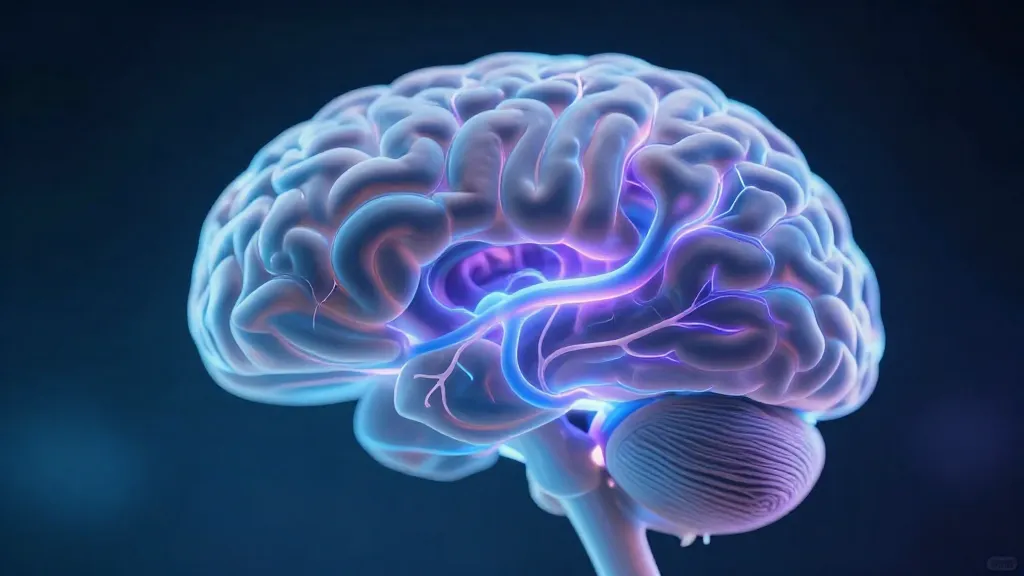
Your brain operates like a sophisticated city, complete with its own sanitation department working around the clock to keep things clean. But what happens when this crucial waste removal system breaks down? New research suggests the consequences could be far more serious than anyone imagined—potentially increasing the risk of psychosis, with the damage beginning as early as childhood.
Scientists have uncovered a troubling connection between malfunctions in the brain’s waste removal processes and mental health disorders that could fundamentally change how we approach prevention and treatment of psychosis.
The Brain’s Hidden Cleaning Crew
The brain’s waste removal system, known as the glymphatic system, functions as a sophisticated network of channels that flush out cellular debris and toxic proteins while we sleep. Think of it as the brain’s overnight janitorial service, working tirelessly to maintain optimal function.
This system operates by circulating cerebrospinal fluid through brain tissue, washing away metabolic waste products that accumulate during daily neural activity. When functioning properly, it helps maintain cognitive health and may protect against various neurological conditions.
When the System Fails
Recent research has revealed that when this critical cleaning mechanism malfunctions, the consequences extend beyond simple waste accumulation. The study indicates that glymphatic system dysfunction appears linked to increased psychosis risk, suggesting that the brain’s inability to properly clear waste products may contribute to serious mental health challenges.
The implications are particularly concerning because these changes don’t appear to develop overnight. According to the research, key alterations in the brain’s waste removal processes may begin during childhood development, potentially setting the stage for future mental health complications.
Critical Warning Signs to Watch For
While research is still emerging, understanding potential indicators of glymphatic system dysfunction could prove valuable:
- Sleep disturbances or irregular sleep patterns
- Cognitive changes or difficulties with concentration
- Early behavioral changes that seem unusual for the child’s age
- Family history of neurological or psychiatric conditions
The Childhood Connection
Perhaps the most striking aspect of this research is its suggestion that the foundation for these problems may be laid during early childhood. This finding opens up entirely new avenues for understanding how psychosis develops and, more importantly, when intervention might be most effective.
The research indicates that critical changes in the brain’s waste removal system could begin during childhood development, suggesting that early life may represent a crucial window for prevention and intervention strategies.
Revolutionary Implications for Treatment
This discovery could fundamentally reshape approaches to mental health care. If glymphatic system dysfunction contributes to psychosis risk, researchers and clinicians might need to focus on supporting brain waste removal processes rather than only addressing symptoms after they appear.
The connection between brain cleaning mechanisms and mental health represents a paradigm shift in understanding. Rather than viewing psychosis as purely a chemical imbalance or genetic predisposition, this research suggests that basic brain maintenance functions play a crucial role.
What This Means for Parents and Healthcare
For parents and healthcare providers, this research highlights the importance of factors that support healthy brain function from an early age. While the study represents emerging science and doesn’t establish direct causation, it underscores the significance of sleep quality, overall brain health, and early intervention strategies.
Healthcare professionals may need to consider new approaches to risk assessment and prevention, particularly for children showing early signs of cognitive or behavioral changes. The research suggests that supporting the brain’s natural cleaning processes could become an important component of mental health care.
Looking Forward
This groundbreaking research opens doors to potential new treatments and prevention strategies that could help millions of families. However, researchers emphasize that this represents emerging science, with much more work needed to fully understand the mechanisms involved and develop effective interventions.
The connection between brain waste removal and psychosis risk represents just the beginning of what could be a revolutionary understanding of mental health disorders. As research continues, the hope is that these insights will lead to earlier detection methods and more effective treatments that address root causes rather than just managing symptoms.
While more research is needed to confirm these findings and develop practical applications, this discovery offers new hope for understanding and potentially preventing some of the most challenging mental health conditions affecting children and adults worldwide.