
Scientists Discover Cancer Cells May Actually Protect Brains From Alzheimer's Disease
Groundbreaking research reveals why cancer and Alzheimer's rarely occur together, suggesting cancer cells emit protective brain signals. This counterintuitive discovery could revolutionize our understanding of both diseases.
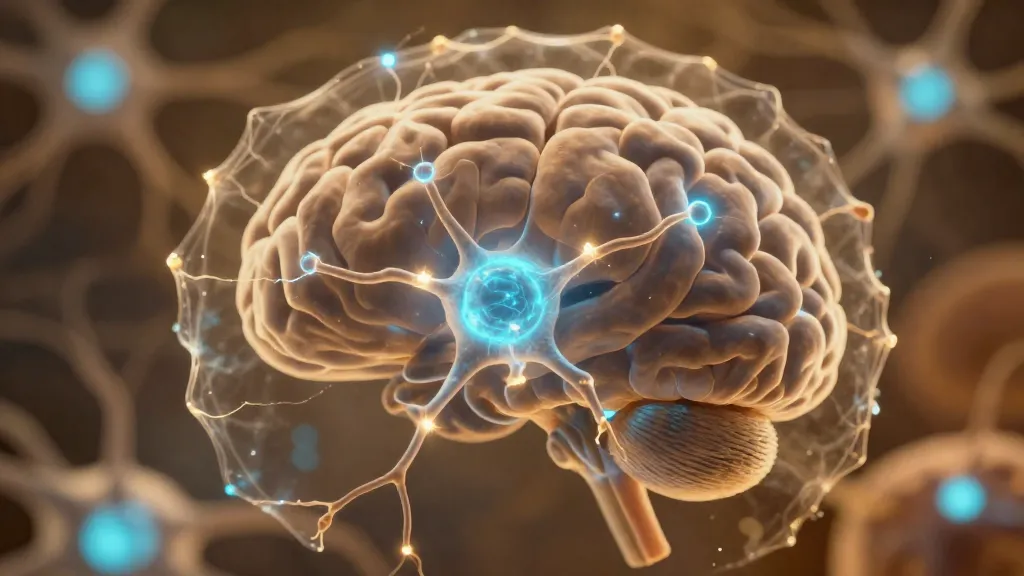
For decades, doctors have noticed something puzzling in their patient records: people with cancer rarely develop Alzheimer’s disease, and vice versa. This medical mystery has baffled researchers for years, but new findings suggest an extraordinary possibility – cancer cells might actually be protecting the brain from neurodegeneration.
The Unlikely Connection Between Two Feared Diseases
Cancer and Alzheimer’s disease represent two of medicine’s most challenging diagnoses. Both strike millions worldwide and have devastating effects on patients and families. Yet epidemiological studies have consistently shown that these conditions rarely occur together in the same individual, a phenomenon that has puzzled medical researchers for decades.
This inverse relationship has sparked intense scientific curiosity. Why would two diseases that become more common with age seem to avoid each other? The answer, according to emerging research, may lie in an unexpected source of brain protection.
Cancer Cells as Unlikely Brain Guardians
Recent research suggests that cancer cells may emit protective signals that shield brain tissue from the neurodegeneration characteristic of Alzheimer’s disease. This counterintuitive discovery challenges our fundamental understanding of how these diseases operate and interact within the human body.
The protective mechanism appears to work through cellular signaling pathways that cancer cells activate as part of their survival strategies. These same signals, researchers theorize, may inadvertently create a protective environment for neurons, preventing the protein accumulation and brain cell death associated with Alzheimer’s.
What This Discovery Could Mean for Treatment
This breakthrough research opens several intriguing possibilities for medical science:
Potential Therapeutic Applications
- Development of Alzheimer’s prevention strategies based on cancer cell signaling
- New drug targets that could replicate protective effects without causing cancer
- Better understanding of cellular communication in disease prevention
Research Implications
The findings could fundamentally reshape how scientists approach both cancer and neurodegenerative disease research, potentially leading to innovative treatment approaches that harness the body’s own protective mechanisms.
Important Limitations and Next Steps
While these findings are promising, researchers emphasize the need for caution. This research represents early-stage discoveries that require extensive peer review and replication before any therapeutic applications can be considered.
The complexity of both cancer and Alzheimer’s disease means that translating these observations into practical treatments will likely take years of additional research. Scientists must also ensure that any potential therapies based on these findings don’t inadvertently increase cancer risk while protecting against neurodegeneration.
A New Perspective on Disease Relationships
This research exemplifies how medical science continues to surprise us with unexpected connections between seemingly unrelated conditions. The possibility that cancer cells could serve as inadvertent protectors against brain disease challenges our binary thinking about “good” and “bad” cellular behaviors.
As researchers continue to investigate this phenomenon, we may discover that the relationship between different diseases is far more complex and interconnected than previously imagined. This could lead to entirely new approaches to preventing and treating age-related conditions, potentially transforming how we think about disease prevention in later life.
The journey from laboratory discovery to clinical application remains long, but this research represents a fascinating step toward understanding the intricate biological mechanisms that govern health and disease in the human body.