
Scientists Discover Cannabis Compounds That Reverse Liver Damage Without Getting You High
Two non-intoxicating compounds from cannabis show promise in reversing fatty liver disease in preclinical research, potentially offering a breakthrough treatment for a common metabolic condition.
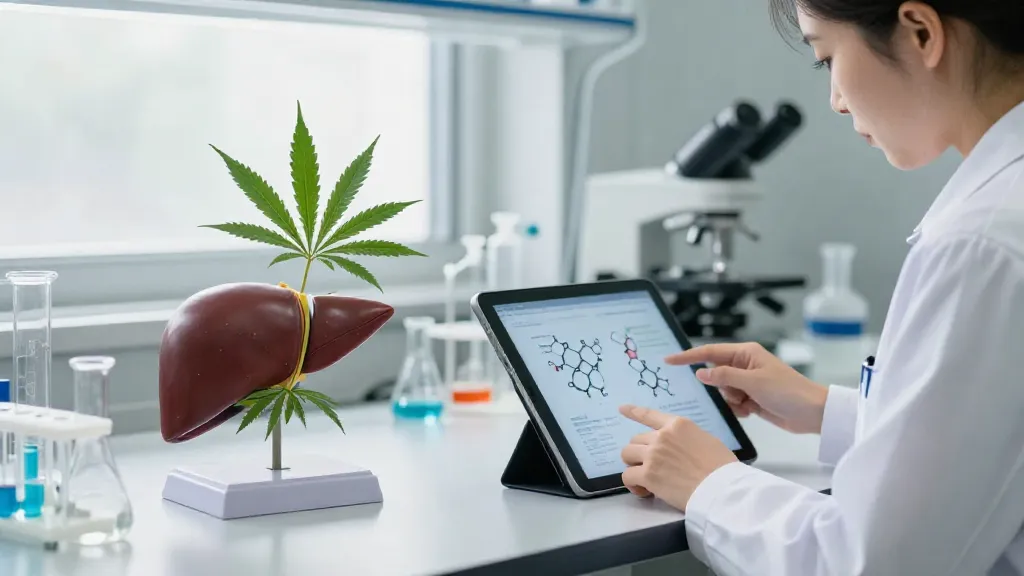
Millions of people worldwide struggle with fatty liver disease, a condition that can progress from silent inflammation to life-threatening complications. Now, groundbreaking research suggests that two compounds found in cannabis plants might hold the key to reversing this damage—and they won’t get you high in the process.
The Breakthrough Discovery
Scientists have identified two non-intoxicating compounds from cannabis that show remarkable promise in treating fatty liver disease. According to research published recently, these compounds demonstrated the ability to reverse liver damage in mouse models without producing any psychoactive effects.
This discovery represents a significant shift in how researchers view cannabis as a therapeutic tool. While much attention has focused on the plant’s intoxicating properties, this study highlights the medical potential of compounds that work entirely differently from those that cause a “high.”
Understanding Fatty Liver Disease
Fatty liver disease has become increasingly common, often linked to metabolic disorders and lifestyle factors. The condition occurs when fat builds up in liver cells, potentially leading to inflammation, scarring, and in severe cases, liver failure.
What makes this research significant:
- Addresses a widespread health concern affecting millions globally
- Offers a potential treatment pathway using non-psychoactive compounds
- Could provide alternatives for patients seeking liver disease interventions
The Science Behind the Compounds
The research focused on cannabis compounds that interact with the body’s systems without triggering the intoxicating effects associated with recreational cannabis use. In the mouse models studied, these compounds appeared to help reverse the accumulation of fat in liver tissue and reduce associated inflammation.
Reports suggest the compounds work through different biological pathways than those responsible for cannabis’s psychoactive properties, making them particularly interesting for medical applications where intoxication would be undesirable or problematic.
What This Means for Future Treatment
While these findings generate considerable excitement in the medical research community, observers note that significant work remains before any potential treatments could reach patients. The research represents preclinical work conducted in animal models, and human trials would be necessary to determine safety and efficacy in people.
The path forward includes:
- Conducting human clinical trials to verify safety and effectiveness
- Determining optimal dosing and delivery methods
- Understanding potential side effects and interactions
- Navigating regulatory approval processes
Beyond the Headlines
This research adds to a growing body of evidence suggesting that cannabis contains numerous compounds with therapeutic potential beyond its well-known psychoactive effects. Scientists continue to explore how different cannabis compounds might address various health conditions, from chronic pain to neurological disorders.
The non-intoxicating nature of these particular compounds could make them more accessible to patients and healthcare providers who might otherwise be hesitant about cannabis-based treatments due to concerns about impairment or legal restrictions.
Looking Ahead
As research into cannabis compounds continues to evolve, studies like this one highlight the importance of examining the plant’s full therapeutic potential rather than focusing solely on its intoxicating properties. For the millions of people affected by fatty liver disease, these findings offer hope for new treatment options that could emerge from continued scientific investigation.
While it may be years before such treatments become available to patients, this research represents an important step toward understanding how nature’s compounds might help address one of modern medicine’s growing challenges.