
Scientists Discover Daily Tea Drinking Slows Biological Aging at Cellular Level
New research reveals that people who drink tea every day show measurable slowing of biological aging at the cellular level. This simple, affordable habit could be one of the most accessible anti-aging interventions available.
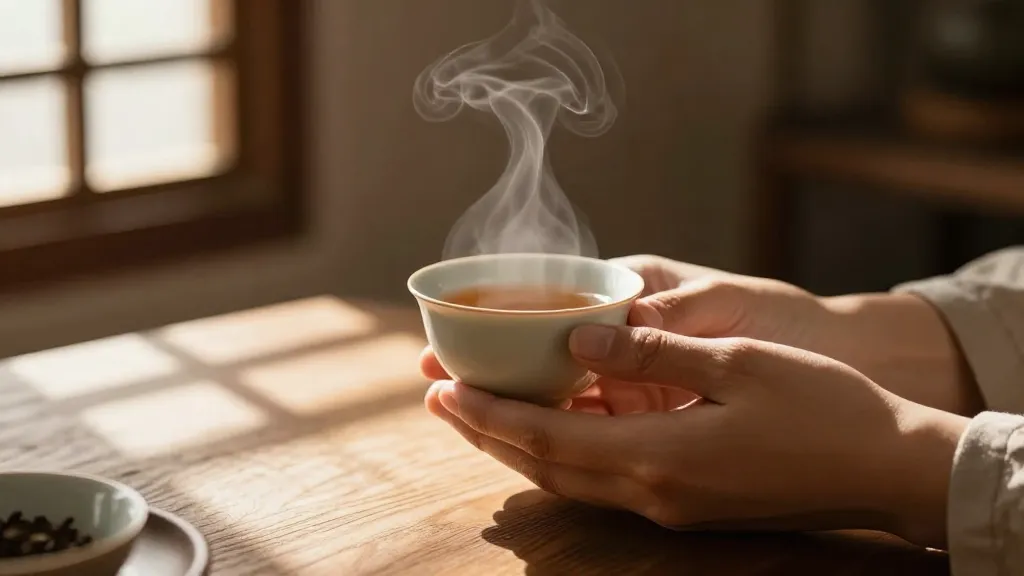
Your morning cup of tea might be doing more than just helping you wake up—it could literally be slowing down how fast your body ages. Recent studies have revealed that people who drink tea daily show measurable changes in their biological aging process at the cellular level, making this simple habit one of the most accessible anti-aging interventions available to virtually anyone.
The Science Behind Tea’s Anti-Aging Effects
Research has demonstrated a clear connection between daily tea consumption and slower biological aging in humans. Unlike chronological age, which simply counts the years you’ve been alive, biological age measures how well your cells and organs are functioning compared to others your age. The studies suggest that regular tea drinkers may have a biological age that’s younger than their calendar age.
The effects appear to be most pronounced in people who make tea drinking a daily habit rather than occasional consumption. This consistency seems to be key to unlocking tea’s potential anti-aging benefits.
What Makes Tea So Powerful for Cellular Health
Tea contains a rich array of compounds that researchers believe contribute to its anti-aging properties. These naturally occurring substances work at the cellular level to potentially:
- Combat oxidative stress that damages cells over time
- Support cellular repair mechanisms
- Reduce inflammation throughout the body
- Protect DNA from age-related damage
The cellular-level benefits mean that tea’s impact goes beyond surface-level improvements—it may actually influence the fundamental processes that determine how quickly we age.
An Accessible Anti-Aging Strategy
What makes this discovery particularly exciting is how accessible tea is as an anti-aging intervention. Unlike expensive treatments or complex supplement regimens, tea is affordable, widely available, and requires no special preparation beyond brewing a cup.
What to Watch For
- Consistency appears more important than quantity—daily consumption shows the strongest effects
- Different types of tea may offer varying levels of benefits
- The anti-aging effects are measurable but develop over time with regular consumption
- Individual responses may vary based on genetics and lifestyle factors
The Broader Implications
This research adds to a growing body of evidence supporting simple, everyday habits that can influence how we age. While the specific mechanisms are still being studied, the connection between daily tea consumption and slower biological aging represents a promising area of longevity research.
The findings suggest that some of the most effective anti-aging strategies might already be sitting in our kitchen cabinets. For millions of people worldwide who already enjoy tea as part of their daily routine, this research provides additional motivation to maintain this healthy habit.
Making Tea Part of Your Anti-Aging Routine
The beauty of tea as an anti-aging strategy lies in its simplicity. There’s no need for special equipment, expensive supplements, or dramatic lifestyle changes. The research indicates that the key is consistency—making tea a regular part of your daily routine rather than drinking it sporadically.
While more research is needed to fully understand the mechanisms behind tea’s anti-aging effects, the current evidence suggests that this ancient beverage might offer one of the most practical approaches to supporting healthy aging available today.