
Scientists Discover Exercise Fights Bone Loss by Rewiring Your Brain, Not Your Bones
Groundbreaking research reveals the surprising neurological mechanism behind how physical activity strengthens bones and fights osteoporosis. The secret isn't in your skeleton—it's in your brain.
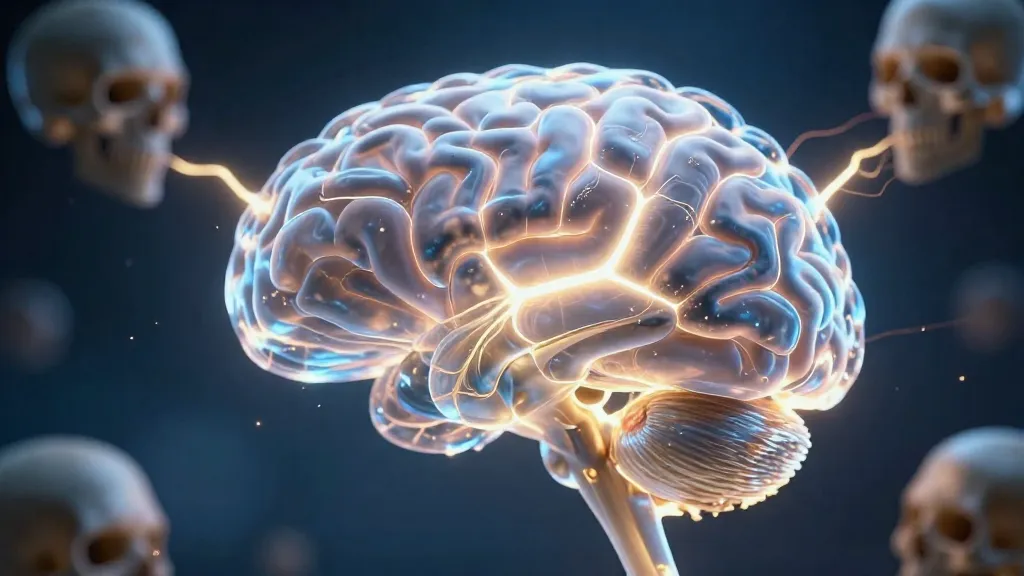
For decades, we’ve been told that exercise strengthens bones by putting mechanical stress on our skeleton—the classic “use it or lose it” principle. But groundbreaking new research is turning that understanding completely upside down. Scientists have discovered that the real magic happens not in your bones, but in your brain, where exercise literally rewires neural connections to fight osteoporosis in ways we never imagined.
This discovery could revolutionize how we approach bone health and opens the door to entirely new treatments for the tens of millions of people worldwide who suffer from bone-weakening diseases.
The Brain-Bone Connection Nobody Saw Coming
The breakthrough study, recently published by researchers and reported in leading science outlets, reveals that exercise creates new neural pathways in the brain that directly influence bone strength. When mice exercised more, scientists observed increased connections forming between specific neurons in their brains—connections that appear to be crucial for maintaining bone density.
This finding challenges everything we thought we knew about how physical activity protects against osteoporosis. Instead of just mechanical loading strengthening bones through direct physical stress, the body uses a sophisticated neurological network to coordinate bone health from the brain down.
Why This Changes Everything About Osteoporosis Treatment
Osteoporosis affects tens of millions of people globally, causing bones to become fragile and prone to fractures. Until now, researchers have focused primarily on bone-building medications and mechanical interventions. But if the brain is the true command center for bone strength, this opens up entirely new therapeutic possibilities.
The implications extend far beyond current treatment approaches. Understanding the neural mechanisms behind bone health could lead to:
- Brain-targeted therapies for osteoporosis
- More personalized exercise prescriptions based on neural response
- Early intervention strategies that focus on brain-bone communication
- Combination treatments that address both neurological and skeletal factors
What This Means for Your Workout Routine
While researchers are still unraveling the complete picture of how this brain-bone connection works, the findings suggest that exercise benefits may be far more sophisticated than simple mechanical stress. The neural rewiring observed in the study indicates that consistent physical activity creates lasting changes in brain structure that continue to protect bone health over time.
This neurological boost to bone strength appears to build up gradually, which reinforces the importance of regular, sustained exercise rather than sporadic intense workouts.
The Science Behind the Discovery
The research utilized advanced techniques to track neural changes in exercising mice, revealing increased connectivity between specific brain regions. These neural adaptations corresponded with improved bone health outcomes, suggesting a direct causal relationship between brain rewiring and skeletal strength.
What makes this discovery particularly significant is that it identifies a previously unknown mechanism. Scientists have long observed that exercise helps prevent osteoporosis, but the exact biological pathways remained unclear. This brain-centered explanation fills a crucial gap in our understanding.
Looking Ahead: What Researchers Need to Learn Next
While these findings are promising, several key questions remain unanswered. Researchers still need to determine:
Critical Areas for Future Study
- How quickly these neural changes occur in humans
- Whether different types of exercise create different brain-bone connections
- How age affects the brain’s ability to form these protective neural pathways
- What happens to these connections when people stop exercising
The transition from mouse studies to human applications will also require careful validation, as brain-bone communication may work differently across species.
A New Era of Understanding Exercise Benefits
This discovery represents a fundamental shift in how we understand the relationship between physical activity and bone health. Rather than viewing exercise as simply a mechanical intervention, we can now appreciate it as a complex neurological process that rewires the brain to better protect our skeleton.
For the millions of people at risk for osteoporosis, this research offers hope for more effective treatments and a deeper scientific foundation for exercise recommendations. The brain, it turns out, may be our skeleton’s most important ally—and exercise is the key to strengthening that crucial partnership.
As researchers continue to unravel this brain-bone connection, we’re likely to see exercise prescriptions become more precise, treatments more targeted, and our understanding of human physiology more complete. The secret to stronger bones was hiding in our heads all along.