
Scientists Discover Gut Bacteria Compound That Could Prevent Childhood Allergies and Asthma
Researchers at DTU have identified a naturally produced compound from gut bacteria that dramatically reduces children's risk of developing allergies and asthma. The discovery has been patented and could lead to groundbreaking preventive treatments.
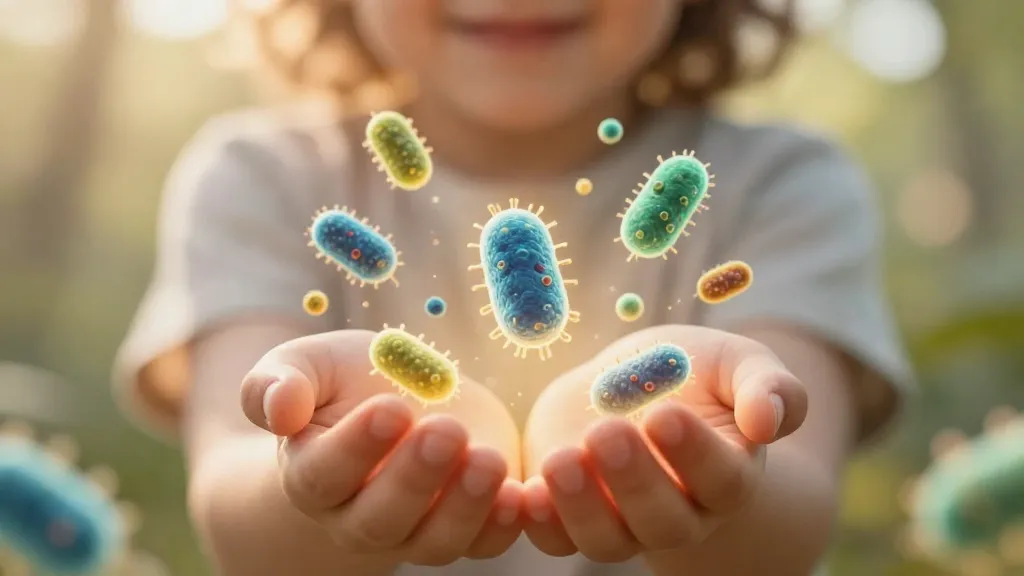
Parents worldwide know the statistics all too well: childhood allergies and asthma rates are climbing at an alarming pace. But what if the solution to this growing crisis has been living inside our children’s bodies all along? Researchers at DTU (Technical University of Denmark) have made a groundbreaking discovery that could change how we prevent these conditions entirely.
The Hidden Power of Your Child’s Gut
The human gut is home to trillions of bacteria, and scientists are only beginning to understand their profound impact on our health. Among these microscopic residents, a group called bifidobacteria has caught researchers’ attention for producing a remarkable compound that appears to dramatically lower children’s risk of developing allergies and asthma.
This naturally occurring substance works within the gut’s complex ecosystem, potentially offering a preventive approach that doesn’t rely on medications or treatments after symptoms appear. Instead, it harnesses the body’s own biological processes to build protection from the inside out.
A Growing Crisis Needs New Solutions
The timing of this discovery couldn’t be more critical. Reports suggest that allergies and asthma are becoming increasingly common among children worldwide, creating a public health challenge that affects millions of families. Traditional approaches have focused primarily on managing symptoms once they develop, but this research points toward a fundamentally different strategy.
What Makes This Discovery Special
The compound identified by DTU researchers represents a shift toward prevention rather than treatment. Key aspects of this breakthrough include:
- Natural origin: The substance is already produced by bacteria naturally present in the human gut
- Preventive potential: Early research suggests it could lower risk before allergies and asthma develop
- Patent protection: The discovery has been officially patented, indicating its commercial and scientific significance
The Science Behind Gut Health and Immunity
The connection between gut bacteria and immune system development has become one of the most exciting areas of medical research. Scientists have long observed that children’s early microbial exposures seem to influence their likelihood of developing allergic conditions later in life.
Bifidobacteria, the specific type of bacteria highlighted in this research, are among the first microorganisms to colonize infant intestines. These beneficial bacteria have been associated with various health benefits, but their role in preventing allergies and asthma represents a new frontier in understanding their capabilities.
From Laboratory to Real-World Applications
While the research shows promising results, observers note that translating laboratory discoveries into practical treatments takes time. The patent status suggests that researchers and institutions are serious about developing this finding into usable interventions, but the timeline for availability to families remains unclear.
What This Could Mean for Future Generations
The implications of this discovery extend far beyond individual families dealing with childhood allergies. If further research confirms the compound’s effectiveness, it could represent a paradigm shift in how we approach childhood health and disease prevention.
The focus on gut health as a foundation for overall wellness aligns with growing awareness among parents and healthcare providers about the importance of the microbiome. This research adds scientific weight to the idea that supporting healthy gut bacteria from an early age could have lasting benefits.
Looking Ahead
As researchers continue to investigate this compound’s potential, families affected by childhood allergies and asthma have reason for cautious optimism. While more studies will be needed to fully understand the compound’s effects and develop safe, effective applications, the discovery represents a significant step forward in our understanding of how to prevent these increasingly common conditions.
The path from laboratory discovery to widely available prevention strategies typically involves years of additional research and testing. However, the fact that this compound is naturally produced by bacteria already present in healthy guts suggests that future applications might build on the body’s existing processes rather than introducing entirely foreign substances.
For now, this research adds to the growing body of evidence supporting the critical role of gut health in childhood development and long-term wellness—a message that continues to resonate with health-conscious parents worldwide.