
Scientists Discover Gut Bacteria Could Be the Key to Treating Parkinson's Disease
Groundbreaking research reveals how gut bacteria dysfunction may trigger Parkinson's disease, opening doors to surprisingly simple treatment approaches that could revolutionize care for millions.
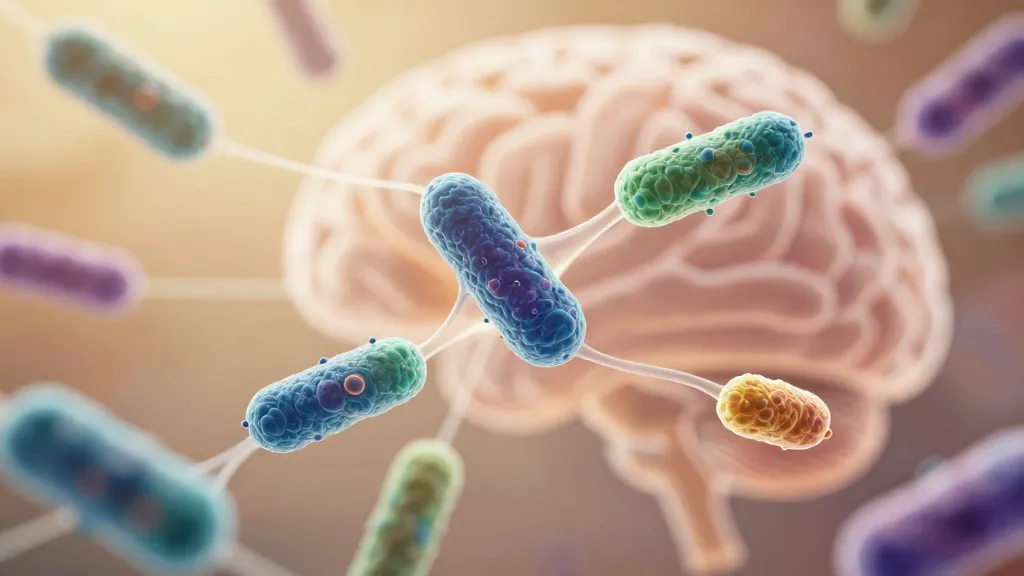
The idea that your morning yogurt could one day help fight Parkinson’s disease might sound far-fetched, but groundbreaking research is revealing that the trillions of bacteria living in your gut may hold the key to understanding—and potentially treating—one of the world’s most challenging neurological conditions.
For years, scientists have suspected something intriguing: Parkinson’s disease, traditionally viewed as a brain disorder, might actually begin in the gut. Now, emerging research is providing scientific backing for this long-theorized connection, opening up possibilities for treatment approaches that could be surprisingly accessible compared to current options.
The Gut-Brain Highway
The relationship between our digestive system and our brain is far more intimate than most people realize. Scientists have identified what they call the “gut-brain axis”—a complex communication network that allows these two systems to influence each other in profound ways.
Reports suggest that dysfunction in gut bacteria may actually trigger the onset of Parkinson’s disease, rather than simply accompanying it. This represents a fundamental shift in how researchers understand the condition, moving beyond the traditional focus on brain chemistry alone.
What Makes This Discovery So Significant
The implications of this gut-brain connection in Parkinson’s could be revolutionary for several reasons:
- Earlier intervention possibilities: If the disease begins in the gut, treatments could potentially start before brain symptoms appear
- More accessible treatment options: Gut-focused therapies might be simpler and less invasive than current neurological treatments
- Broader treatment targets: Multiple approaches could address both gut health and brain function simultaneously
From Suspicion to Science
While the gut-brain connection in Parkinson’s has been suspected for some time, observers note that recent research is providing the scientific evidence needed to support this theory. This progression from hypothesis to verified science represents years of careful investigation into how our microbiome—the community of bacteria living in our digestive system—influences neurological health.
The research suggests that when the delicate balance of gut bacteria becomes disrupted, it may set off a chain reaction that eventually leads to the characteristic symptoms of Parkinson’s disease, including tremors, stiffness, and movement difficulties.
The Promise of Simpler Solutions
What makes this discovery particularly exciting is the potential for “unexpectedly simple” treatment approaches. While current Parkinson’s treatments often involve complex medications with significant side effects, gut-focused interventions could include approaches like targeted probiotics, dietary modifications, or other microbiome-supporting therapies.
However, it’s crucial to understand that these potential treatments are still in the research phase. Scientists are working to translate these findings into practical therapies, but clinically available gut-based treatments for Parkinson’s are not yet ready for patients.
Looking Toward the Future
This emerging understanding of Parkinson’s as potentially a gut-brain disorder rather than purely a brain disease could reshape treatment strategies for millions of people worldwide. The research represents hope for more personalized, accessible, and effective interventions that address the root causes of the condition.
As scientists continue to unravel the complex relationships between our gut bacteria and neurological health, the possibility of preventing or treating Parkinson’s through gut-focused approaches moves closer to reality. While more research is needed to fully understand these connections and develop effective treatments, this discovery marks a significant step forward in the fight against one of the most challenging diseases of our time.
The next phase of research will likely focus on identifying which specific gut bacteria are most important in Parkinson’s development and how medical interventions can best support a healthy gut-brain connection. For now, this breakthrough offers something precious to patients and families affected by Parkinson’s: scientific hope grounded in a completely new understanding of how this disease works.