
Scientists Discover Hidden 'Aging Clock' in Sperm That Affects Your Children's Health
Groundbreaking research reveals how fathers' age leaves a molecular timestamp in sperm through RNA mechanisms, potentially explaining why older dads face higher risks of offspring health issues. This discovery could revolutionize our understanding of paternal age effects on children's wellbeing.
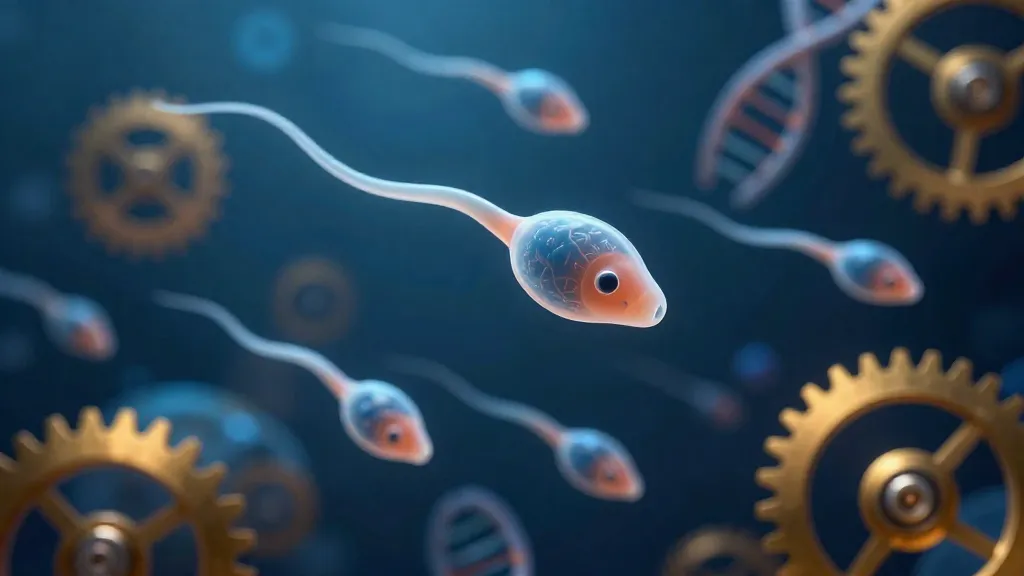
Your father’s age when you were conceived may have left an invisible molecular signature in every cell of your body—and scientists have just discovered how this biological timestamp works. Groundbreaking research has uncovered a hidden “aging clock” in human sperm that operates independently of DNA, potentially explaining decades of puzzling medical observations about why children of older fathers face certain health risks.
For years, medical researchers have documented a troubling pattern: as paternal age increases, so do the risks of various health complications in offspring, including higher rates of obesity and stillbirth. But the biological mechanism behind these observations remained a mystery—until now.
The Hidden RNA Clock Discovery
Scientists have identified an RNA-based aging mechanism in human sperm that functions as a molecular timekeeper, separate from the well-studied DNA changes that occur with age. This discovery represents a significant breakthrough in understanding how a father’s biological age at conception can influence his children’s health outcomes.
Unlike DNA, which carries the genetic blueprint, RNA molecules play crucial roles in gene expression and cellular function. The newly discovered aging clock appears to operate through these RNA mechanisms, creating a biological record of paternal age that gets passed to offspring during fertilization.
What This Means for Families
The implications of this research extend far beyond academic curiosity. This RNA aging clock may help explain why epidemiological studies have consistently shown increased health risks associated with advanced paternal age, including:
• Higher obesity rates in children of older fathers • Increased risk of stillbirth • Various developmental and metabolic complications
These findings don’t suggest that older fathers should panic, but rather provide a biological foundation for understanding patterns that doctors have observed for decades.
Beyond DNA: A New Frontier in Heredity
This discovery challenges traditional thinking about how traits and health risks pass from parents to children. While most research on parental age effects has focused on DNA mutations and chromosomal abnormalities, this RNA-based mechanism represents an entirely different pathway of inheritance.
The research suggests that sperm carries more than just genetic information—it also bears molecular markers of the father’s biological age and life experiences. This adds a new dimension to our understanding of how environmental factors and aging processes can influence the next generation.
What Scientists Are Watching For
Researchers are now investigating several key questions arising from this discovery:
• How exactly does the RNA aging clock influence offspring development? • Can lifestyle factors slow or accelerate this molecular timekeeper? • Do similar mechanisms exist in other reproductive cells? • Could this knowledge lead to new fertility treatments or interventions?
The Bigger Picture
While this research provides fascinating insights into the biological mechanisms of inheritance, experts emphasize the importance of viewing these findings in context. Advanced paternal age is just one of many factors that can influence child health outcomes, and individual circumstances vary widely.
The discovery of this RNA aging clock opens new avenues for research into fertility, aging, and intergenerational health effects. As scientists continue to unravel the complex mechanisms of reproduction and inheritance, this finding represents a significant step forward in understanding how our biological history shapes the next generation.
For prospective parents, this research underscores the importance of considering timing in family planning, while also highlighting the remarkable complexity of human reproduction and development. The molecular timestamp your father left in your cells is just one piece of the intricate biological puzzle that makes you who you are.