
Scientists Discover Hidden Cause of Kidney Stones That Doctors Missed for Centuries
A groundbreaking study reveals bacteria play a previously unknown role in forming the most common type of kidney stones, potentially revolutionizing treatment for millions of sufferers worldwide.
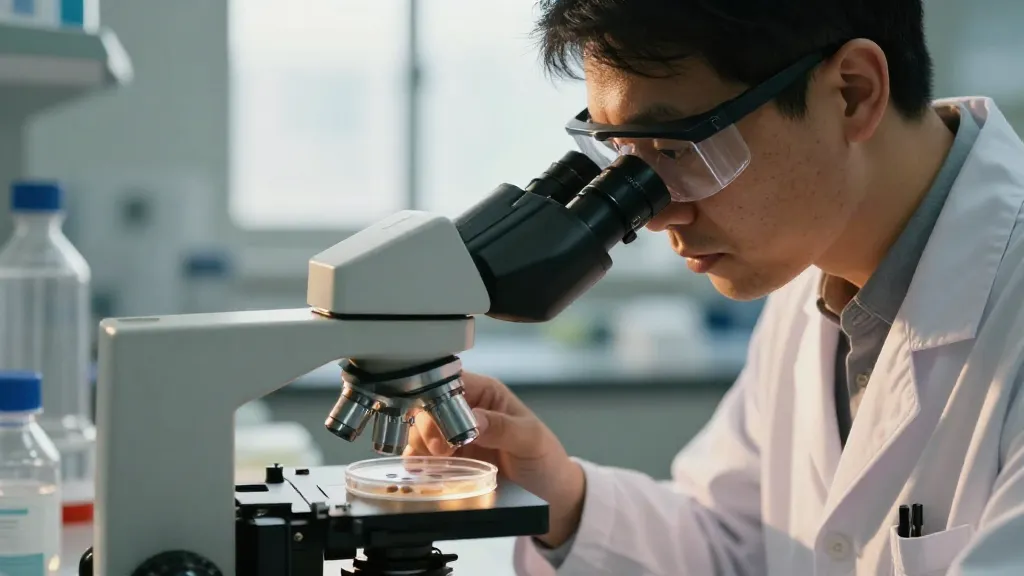
For thousands of years, kidney stones have tormented humanity with their excruciating pain, yet medical science has been missing a crucial piece of the puzzle. A groundbreaking new study has uncovered evidence that bacteria play a previously unknown role in forming the most common type of kidney stones—a discovery that could revolutionize how doctors prevent and treat this agonizing condition affecting millions worldwide.
The Ancient Mystery Finally Cracked
Kidney stones have plagued humans since antiquity, with evidence of these painful mineral deposits found in mummies and ancient medical texts. Despite centuries of medical advancement, researchers have apparently overlooked a fundamental aspect of how the most common kidney stones actually form.
The revelation centers on bacterial involvement in kidney stone development—a connection that had been hiding in plain sight. This discovery challenges long-held assumptions about what causes these crystalline formations to develop in our kidneys, potentially explaining why traditional prevention methods don’t work for everyone.
What Makes This Discovery So Significant
The implications of this bacterial connection extend far beyond academic curiosity. Understanding that bacteria contribute to kidney stone formation opens entirely new avenues for both prevention and treatment strategies.
Key Implications Include:
- Novel antibiotic-based prevention approaches
- Targeted treatments addressing bacterial components
- Better screening methods to identify at-risk patients
- Personalized medicine approaches based on individual bacterial profiles
This finding specifically applies to the most common type of kidney stones, making it relevant for the vast majority of sufferers who experience this condition.
Why Doctors Missed This Connection
The bacterial role in kidney stone formation appears to have been underestimated or completely overlooked by the medical community for generations. This oversight highlights how even well-studied medical conditions can harbor surprising secrets waiting to be uncovered by modern research techniques.
Reports suggest that advanced analytical methods may have been necessary to detect and understand the bacterial involvement, explaining why this connection remained hidden despite extensive previous research into kidney stone formation.
The Path Forward
While this discovery represents a major breakthrough in understanding kidney stone formation, researchers note that translating these findings into practical treatments will require additional investigation. The study opens new research pathways that could eventually lead to more effective prevention strategies and targeted therapies.
What This Means for Patients
For the millions of people who suffer from recurring kidney stones, this discovery offers genuine hope. The excruciating pain of kidney stones—often compared to childbirth—has driven countless emergency room visits and disrupted lives for centuries.
Understanding the bacterial component could lead to:
Potential New Approaches:
- Preventive treatments targeting specific bacteria
- Enhanced screening to predict stone formation risk
- Combination therapies addressing both mineral and bacterial factors
- More personalized treatment plans based on individual bacterial profiles
A Medical Game-Changer
This breakthrough demonstrates how medical mysteries can persist for millennia before yielding their secrets to modern science. The discovery that bacteria play a previously unknown role in the most common type of kidney stones represents the kind of paradigm shift that could transform treatment approaches for millions of sufferers.
As researchers continue to investigate this bacterial connection, observers note that we may be witnessing the beginning of a new era in kidney stone prevention and treatment—one that finally addresses a hidden cause that has been overlooked for far too long.
The journey from ancient medical mystery to modern breakthrough reminds us that even our most studied conditions can still surprise us, offering hope that other longstanding medical puzzles may soon yield their secrets to persistent scientific inquiry.