
Scientists Discover Hidden Gut Changes That Could Predict Cancer Risk Years Before Symptoms
Researchers identify chemical DNA changes in gut stem cells that may signal increased cancer risk before tumors form. This breakthrough could revolutionize early cancer detection and prevention strategies.
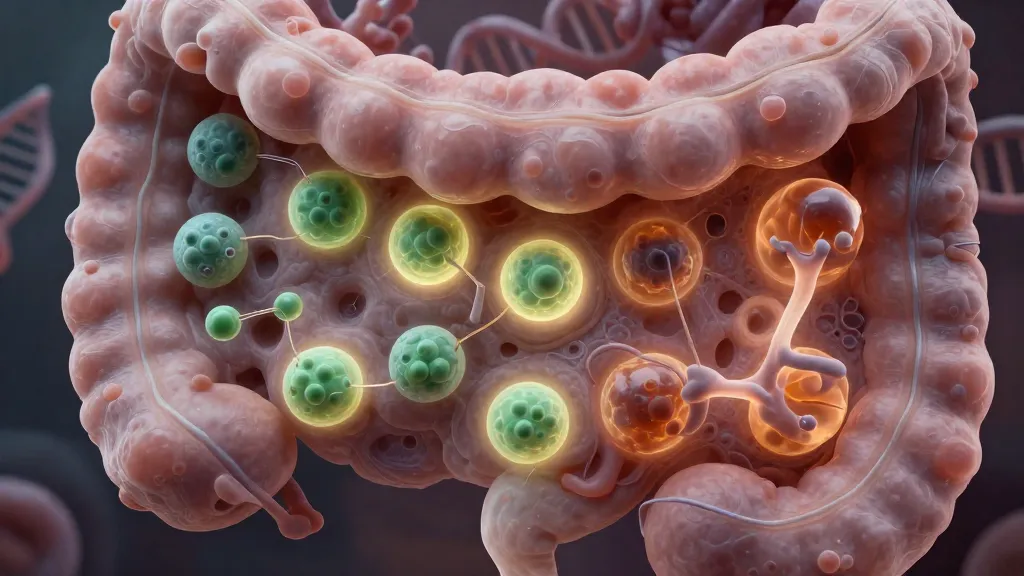
A hidden process unfolding in your gut right now could be silently increasing your cancer risk—and scientists have just figured out how to spot it years before any symptoms appear. This groundbreaking discovery might transform how we prevent one of the world’s deadliest diseases.
Researchers have identified a phenomenon they’re calling “Aging and Colon Cancer-Associated (ACCA) drift”—a gradual chemical shift in gut stem cells that appears to set the stage for colorectal cancer development. The findings suggest that inflammation in your digestive system doesn’t just cause discomfort; it may be rewiring your DNA in ways that could predict cancer risk decades in advance.
The Silent DNA Changes Happening in Your Gut
The research team focused their investigation on specialized structures in the gut called crypts—tiny glands that house the stem cells responsible for constantly renewing your intestinal lining. As we age, chemical marks on the DNA in these crucial cells slowly shift through a process called DNA methylation.
These aren’t changes to the DNA sequence itself, but rather epigenetic modifications that can switch genes on or off without altering the underlying genetic code. The problem arises when this natural aging process gets accelerated by chronic inflammation and disrupted cell signaling.
According to the study, this drift leads to the gradual silencing of genes that normally help suppress tumor formation. Essentially, the body’s natural cancer defense system gets quietly dismantled, cell by cell, allowing cancer risk to accumulate across gut tissue long before any tumors actually appear.
Why Inflammation Is the Key Player
The research reveals that chronic inflammation acts as a major accelerator of this concerning process. When your gut experiences ongoing inflammatory stress—whether from diet, lifestyle factors, or underlying health conditions—it appears to speed up the chemical changes that silence tumor-suppressing genes.
This discovery helps explain a long-standing medical mystery: why colorectal cancer risk increases so dramatically with age, and why certain inflammatory conditions are associated with higher cancer rates.
What This Means for Early Detection
The identification of ACCA drift opens up entirely new possibilities for cancer prevention:
• Pre-symptom screening: Tests could potentially detect these chemical changes years before cancer develops • Personalized risk assessment: Individual methylation patterns might help predict who needs more aggressive monitoring • Targeted interventions: Understanding the inflammation connection could guide specific dietary and lifestyle changes • Treatment timing: Earlier identification could allow for preventive measures when they’re most effective
The Inflammation-Diet Connection
While the researchers didn’t specify exact dietary triggers, the connection between inflammation and this DNA drift suggests that anti-inflammatory approaches might help slow the process. Reports suggest that chronic inflammatory states in the gut, potentially influenced by diet and lifestyle factors, play a crucial role in accelerating these harmful genetic changes.
This adds weight to existing evidence about the importance of gut health in overall cancer prevention, though more research will be needed to establish specific preventive strategies.
What Researchers Are Saying
The international team behind this discovery emphasizes that ACCA drift represents a fundamental shift in understanding how colorectal cancer develops. Rather than viewing cancer as a sudden onset of genetic mutations, this research suggests it may be the end result of a gradual, measurable process that begins years earlier.
However, experts caution that this research identifies a risk marker rather than a diagnostic tool. The presence of ACCA drift doesn’t guarantee cancer will develop, but it may indicate increased susceptibility that warrants closer monitoring and preventive action.
Looking Ahead: A New Era of Cancer Prevention
This discovery could mark the beginning of a new approach to cancer prevention—one that identifies and addresses risk factors before they become life-threatening problems. If researchers can develop practical tests to detect ACCA drift, it might become possible to intervene with targeted treatments, dietary changes, or lifestyle modifications while there’s still time to prevent cancer from developing.
The research also highlights the complex relationship between aging, inflammation, and cancer risk, potentially opening new avenues for understanding how other cancers develop and how they might be prevented.
While more research is needed to translate these findings into clinical practice, the identification of ACCA drift represents a significant step toward a future where cancer prevention could begin years before the first cancer cell appears—giving people the time and knowledge they need to protect their health proactively.